



English Electroplated Silver
English electroplated silver brings gleaming decorative utility to the table, offering durable metal objects that capture the refined shine of solid plate.
English Electroplated Silver
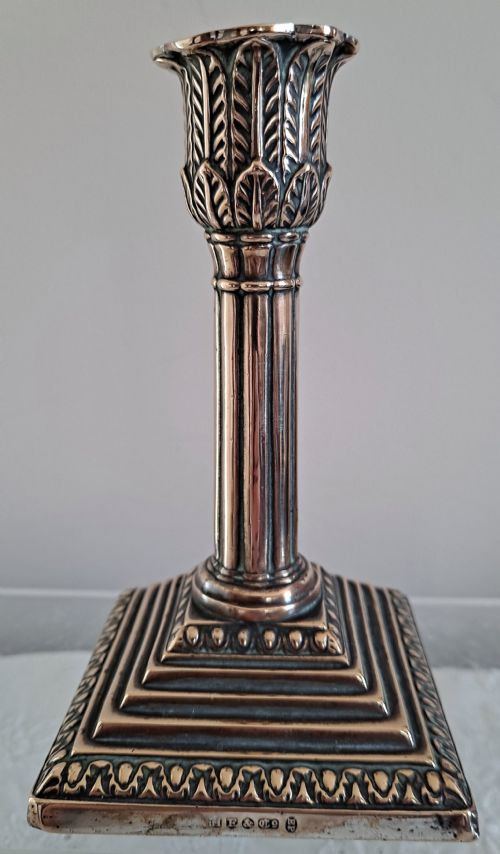
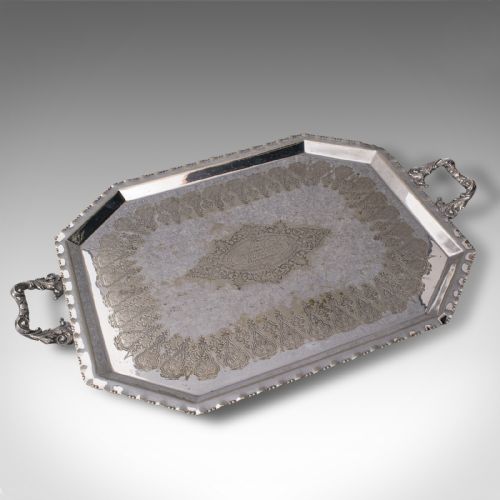
English electroplated silver encompasses a diverse array of domestic items, ranging from lighting and serving ware to curious table novelties. The selections here include pairs of candlesticks, presentation serving trays, cocktail trays, and distinctive spoon warmers fashioned as marine buoys or shoes.
The objects span from the Georgian period through the Victorian era and into the Art Deco style of the 1930s. Buyers most frequently encounter nineteenth-century production alongside early twentieth-century examples.
Common utilitarian forms focus on entertaining and illumination, showing how the plating technique transformed dining tables across multiple generations.
Manufacturing Materials and Technique
Makers utilised a base of nickel silver, copper, or standard metal, applying a silver plate layer across the surface through electroplating methods. This process bonded the precious metal skin to a sturdy underlying structure.
Certain table lamps and decorative pieces incorporate secondary materials such as walnut wood and fabric alongside the primary metal plate to achieve functional stability and visual contrast.
English Electroplated Silver Retail Price Guide 2026
Typical asking prices for english electroplated silver among the pieces listed under this phrase on Sellingantiques today, from the lower quarter to the upper quarter. They describe what is for sale here now, not the wider market.
Victorian diners apparently required specialised ceramic or plated footwear to keep their soup spoons from going chilly.
Judging Quality and Distinction
Distinction in these pieces rests upon the crispness of decorative chasing, the weight and balance of the underlying metal, and the integrity of the silver surface. Maker attribution also plays a role, with established firms demonstrating superior execution.
Novelty forms show variance in the cleverness of their design and the precision of their registration marks or maker stamps. Everyday lighting and trays differ according to the decorative ambition of their Victorian Neoclassical or Art Deco styling.
James Dixon & Sons·Atkin Brothers·Elkington
The English Electroplated Silver Glossary
- Electroplated Nickel Silver
- A copper, nickel, and zinc alloy base coated with a layer of pure silver using an electrolytic process. This provided a robust and affordable alternative to solid silver.
- Spoon Warmer
- A Victorian table accessory designed to hold hot water and keep serving spoons warm for the soup course. They frequently took amusing novelty shapes such as shoes or marine buoys.
- Salver
- A flat serving tray, usually made of metal and supported on small feet, used for presenting drinks or letters. They appear across various periods with engraved or plain surfaces.
- Victorian Neoclassical
- A nineteenth-century revival style drawing upon classical Greek and Roman motifs. It manifests on these objects through formal symmetry and restrained ornamentation.
English Electroplated Silver: Frequently Asked Questions
What is electroplated silver?
Electroplated silver is a base metal such as nickel silver or copper that has received a thin coating of pure silver through an electrical process. This method allowed manufacturers to produce lustrous tableware that imitated solid silver at a lower cost.
The technique became widespread during the nineteenth century, replacing earlier methods of fusing silver sheet to copper.
How do I clean these items?
Cleaning requires a soft cloth and a specialised silver polish formulated for plated items rather than harsh abrasives. Gentle maintenance preserves the thin silver layer covering the underlying base metal.
Regular dusting and careful handling keep the surface bright without wearing away the finish.
What were spoon warmers used for?
Spoon warmers served as specialised Victorian dining table accessories filled with hot water to keep soup spoons warm before use. Guests or servants would retrieve the warmed spoons during the meal.
They often took whimsical forms like shoes or marine buoys to add conversation value to the dining room.
How do I date these pieces?
Dating relies upon stylistic markers such as Victorian Neoclassical detailing or Art Deco geometry, alongside any stamped maker marks. Registration marks on specific pieces can point to exact registration years.
Comparing the form and materials to known production periods helps narrow down the decade of manufacture.