
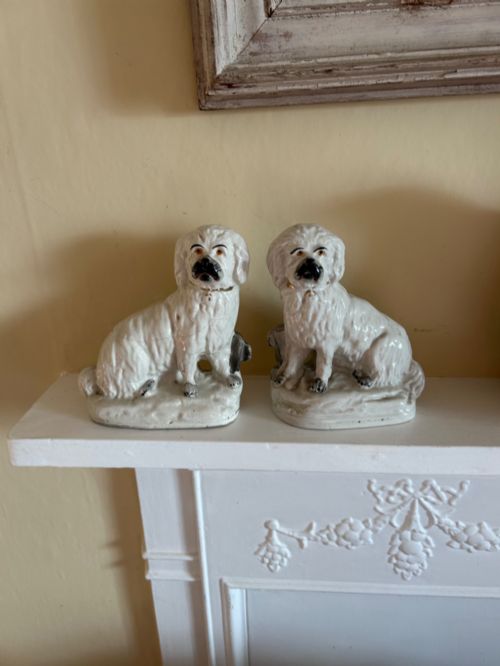


English Earthenware Mantel Figure
These English earthenware mantel figures bring nineteenth-century parlours into focus, offering character through pottery pairs and portrait subjects.
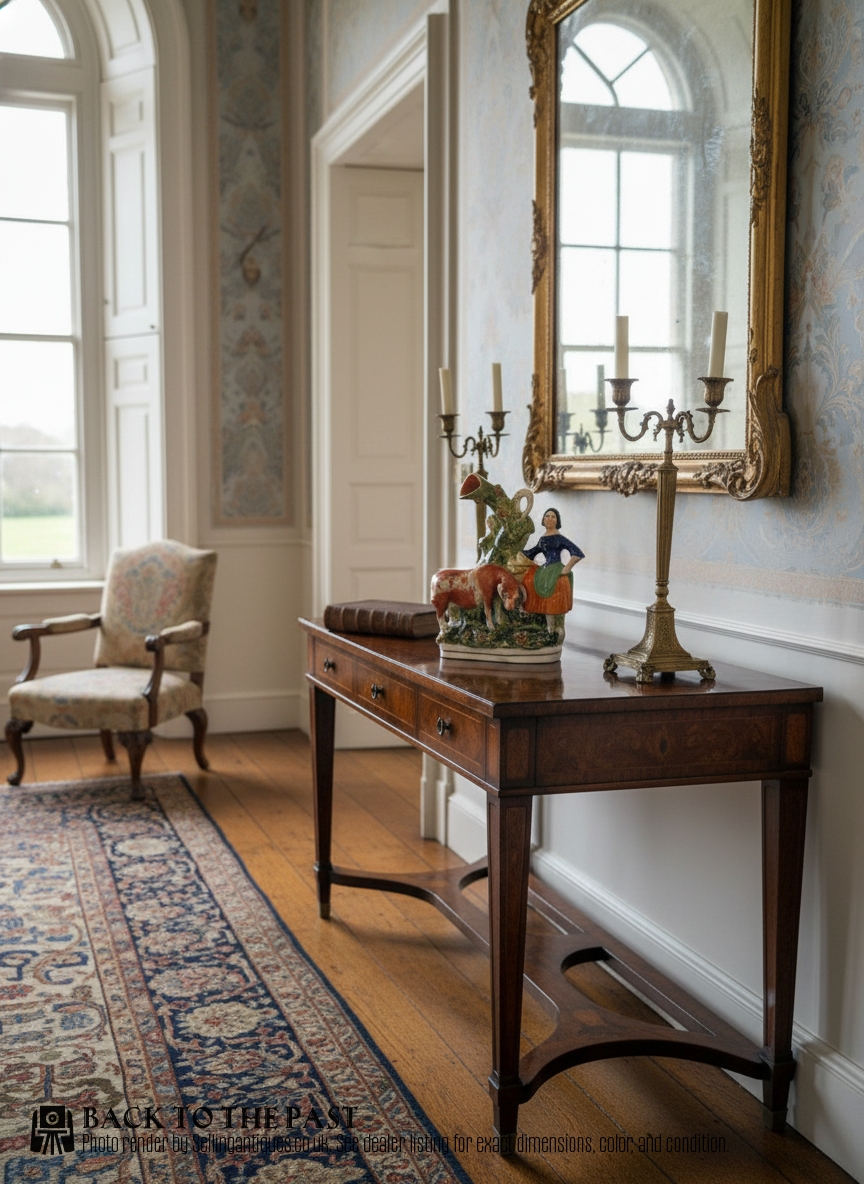
English Earthenware Mantel Figure
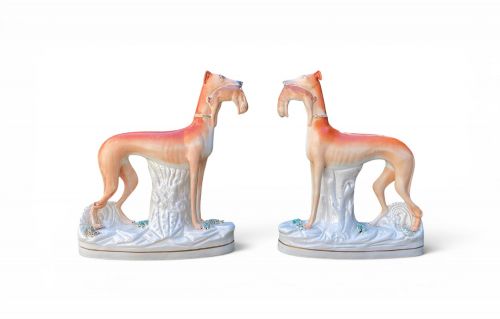
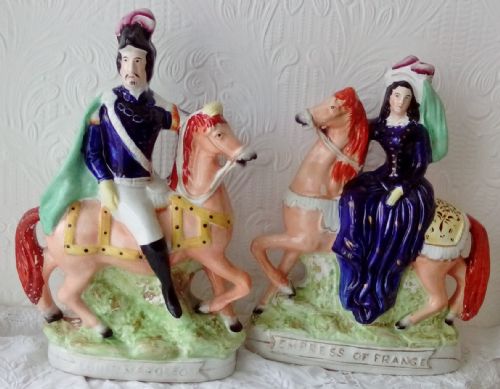
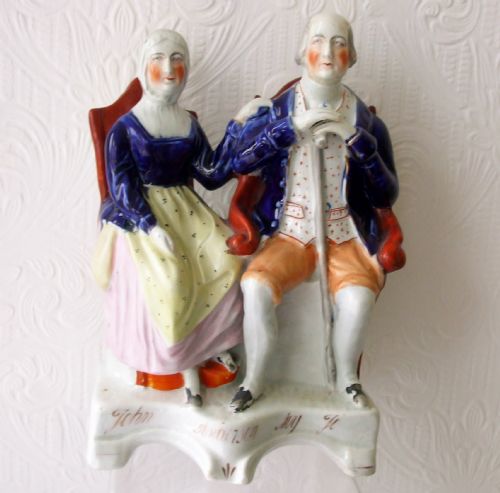
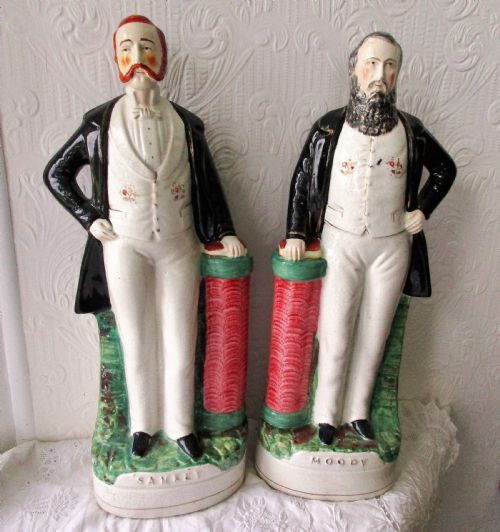
When you search for english earthenware mantel figure, you encounter nineteenth-century Staffordshire pottery created to ornament Victorian chimneypieces. The listings show a strong presence of decorative figures, portrait subjects, and animal pairs designed for display.
The objects frequently take the form of dogs, lions, and human figures, including historical portraits and literary characters. These pieces emerge predominantly from Victorian country pottery and folk art traditions of the period.
Pairs of animals such as greyhounds, spaniels, and lions dominate the selection, alongside flatback figures intended to stand against a wall. The forms reflect the domestic tastes and popular culture of the nineteenth century.
Materials and Construction
Makers shaped these pieces from earthenware clay, applying lead glazes and enamel paint to build the surface finish. Artisans often enhanced details with touches of gold leaf.
The manufacturing process involved moulding the ceramic body before firing, followed by hand-painting the enamel decorations. Flatback construction allowed the figures to sit flush on mantelpieces.
Victorian mantel dogs kept a silent watch over nineteenth-century hearths, ready to guard the parlour from draughts and visitors alike.
Distinctions in Quality
The preservation of the original glaze and the application of gold leaf influence the overall character of the figure. Hand-painted details executed with precision elevate certain pairs above standard commercial output.
The English Earthenware Mantel Figure Glossary
- Flatback
- A figure moulded with a finished front and a flat, unpainted reverse intended to stand against a wall. This construction method saved clay and reduced weight for mantel display.
- Earthenware
- A porous ceramic body fired at lower temperatures than stoneware or porcelain. It requires a glaze to achieve impermeability.
- Lead Glaze
- A glossy coating containing lead oxide applied to the ceramic body before firing. It produces a smooth, glassy finish that heightens the colours beneath.
- Enamel Paint
- Vitreous pigments applied over the fired glaze and subjected to a second, lower temperature firing to fix the colours. This technique permitted bright surface decoration on nineteenth-century pottery.
English Earthenware Mantel Figure: Frequently Asked Questions
Where were these figures displayed?
Victorian households placed these ceramic figures along chimneypieces in parlours and sitting rooms. Their flat backs allowed them to rest securely on narrow mantel ledges.
Pairs of dogs and portrait groups faced outward into the room to be seen by guests and family members.
What subjects do the portrait figures show?
The pottery depicts notable public figures, literary characters, and historical pairs from the nineteenth century. Subjects range from political leaders and evangelists to Scottish lairds.
Makers also recorded everyday animals and domestic scenes that appealed to Victorian buyers.
How do I identify a flatback figure?
Turn the piece around to examine the reverse side. Flatback figures feature a plain, unmodelled rear surface designed to sit directly against a wall.
This structural choice distinguishes them from fully three-dimensional sculptures meant for centre-table placement.
Are these figures sold in pairs?
Many animal figures and portrait subjects appear as matching pairs intended to flank a clock or ornament on a mantelpiece. Greyhounds, lions, and spaniels frequently survive as sets.
Single figures also occur, particularly among the larger portrait groups and flatback scenes.