




English Drink Cabinet
An English drink cabinet brings historic craftsmanship into modern entertaining, offering elegant storage for spirits and glassware.
English Drink Cabinet
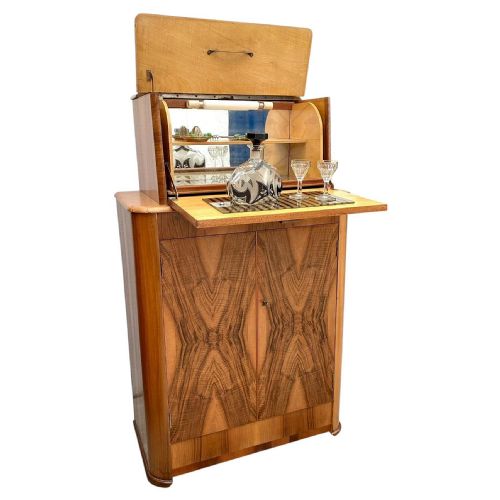
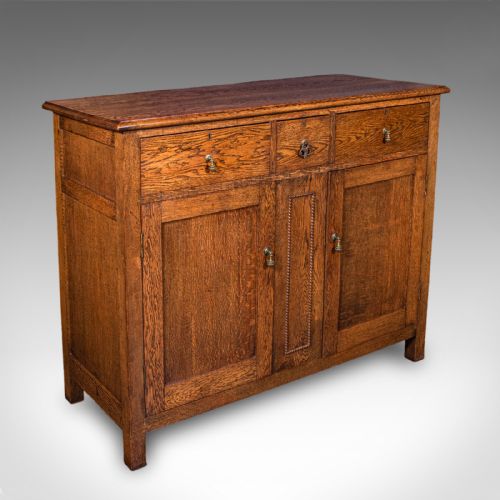
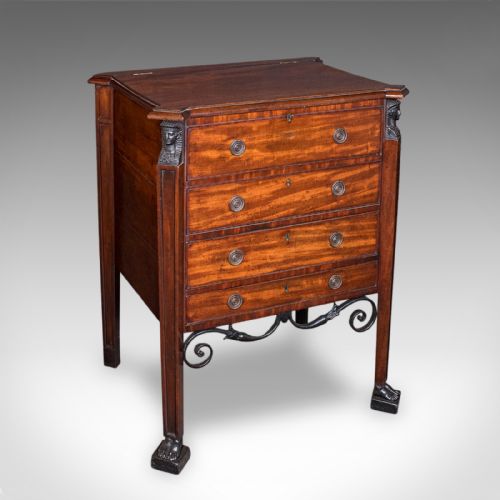
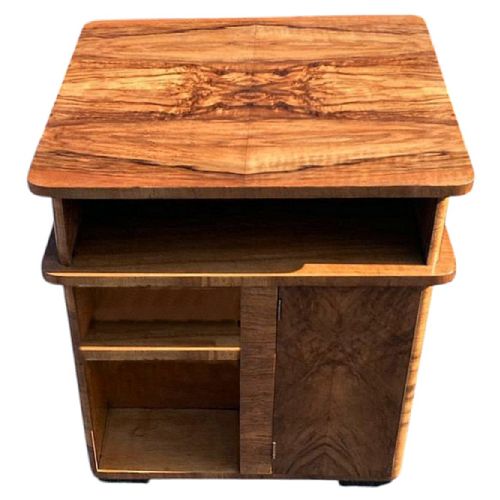
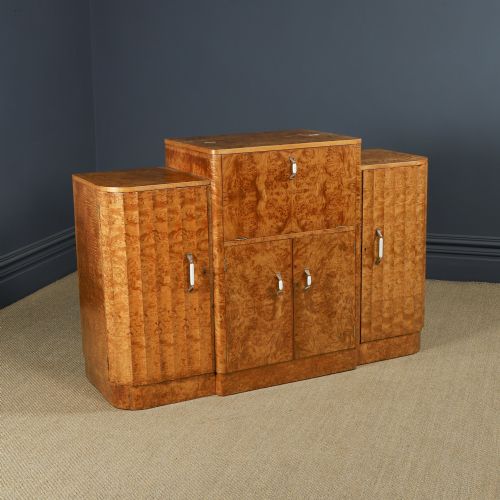
An English drink cabinet serves as a sophisticated focal point for hosting, designed specifically to house bottles, decanters and glassware within period cabinetry. When exploring this selection, buyers encounter diverse forms ranging from compact decanter boxes to substantial cocktail cabinets.
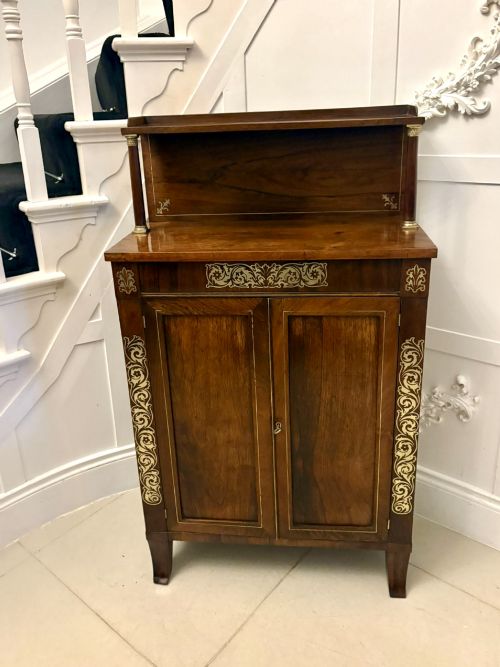
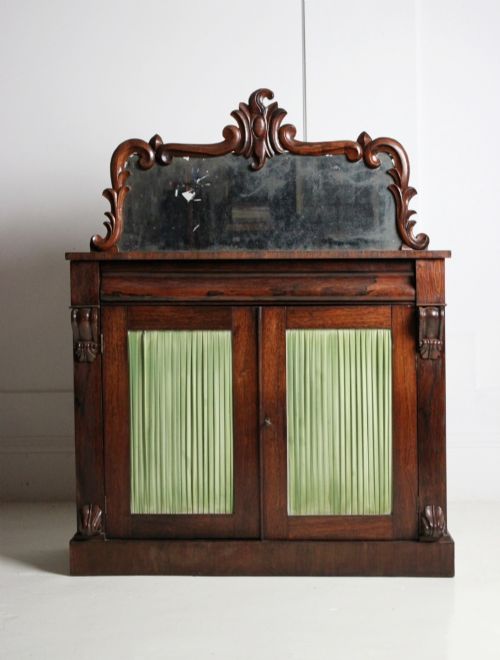
The pieces span multiple historical eras, with 1930s Art Deco walnut and satinwood creations sitting alongside 19th-century Regency mahogany chiffoniers and Victorian bar furniture. Buyers often meet revival pieces, including Queen Anne and William & Mary style walnut cabinets, alongside specialised items like tantalus sets and sarcophagus cellarettes.
These items originate from across the English tradition, incorporating brass hardware and mirrored surfaces to enhance their primary function of liquid refreshment storage. The variety reflects changing social habits across centuries, adapting from wine cooling to cocktail mixing.
Materials and Construction
Cabinet makers utilised dense hardwoods such as mahogany, walnut, rosewood and yew wood, often applying burr walnut or flame mahogany veneers to create striking visual depth on exterior surfaces. These timbers provided the structural integrity required for heavy bottle storage and daily use.
Metal components played a crucial structural and decorative role, with brass fittings, bindings and locks securing the contents and reinforcing corners. Glass panels and mirrored tops added reflective qualities, particularly prominent in Art Deco cocktail iterations designed to illuminate glassware.
English Drink Cabinet Retail Price Guide 2026
Typical asking prices for english drink cabinet among the pieces listed under this phrase on Sellingantiques today, from the lower quarter to the upper quarter. They describe what is for sale here now, not the wider market.
Current listings feature timber varieties including mahogany, burr walnut, rosewood, coromandel and yew wood.
Assessing Quality and Execution
Superior examples distinguish themselves through the precision of their timber selection, such as matched veneer grains and the choice of solid mahogany or coromandel over secondary softwoods. The integrity of the internal fittings, including dovetailed drawer construction and original brass hardware, separates exceptional pieces from standard production.
Design execution marks the divide between workshops, where proportion, carving detail and the integration of specialised mechanisms like metamorphic bureau forms or fitted decanter compartments demonstrate superior cabinet-making skill.
Harry & Lou Epstein
The English Drink Cabinet Glossary
- Cellarette
- A lockable container used for storing wine bottles near the dining table, often taking a sarcophagus or chest form in Regency pieces.
- Chiffonier
- A low sideboard or cabinet with shelves or cupboards beneath, frequently adapted in the 19th century to house dining accessories and bottles.
- Veneer
- A thin layer of figured wood, such as burr walnut or flame mahogany, applied over a stable secondary timber to create decorative exterior surfaces.
English Drink Cabinet: Frequently Asked Questions
What is an English drink cabinet?
An English drink cabinet is a piece of antique or vintage furniture designed to store and serve alcoholic beverages, glassware and bar accessories.
These items range from dedicated Art Deco cocktail chests to 19th-century cellarettes and Regency chiffoniers adapted for entertaining.
How do I date an antique drink cabinet?
Dating relies on identifying stylistic markers, timber choices and construction techniques characteristic of periods like the Regency era, Victorian times or the 1930s.
Cabinet hardware, veneer types and overall architectural styling offer the clearest indicators of age and origin.
Where should I place a cocktail cabinet?
A cocktail cabinet suits living rooms, dining rooms or studies where entertaining takes place, functioning as both a practical bar and a statement furniture piece.
Placement should consider access to mirrored surfaces or drop-down preparation flaps to utilise the interior workspace effectively.
What is the difference between a tantalus and a cabinet?
A tantalus is a portable or tabletop security frame exposing locked decanters, whereas a cabinet provides enclosed shelving and drawer space for a full collection of bottles and glassware.
Cabinets offer broader storage for barware, while tantalus sets focus specifically on displaying spirits securely.