




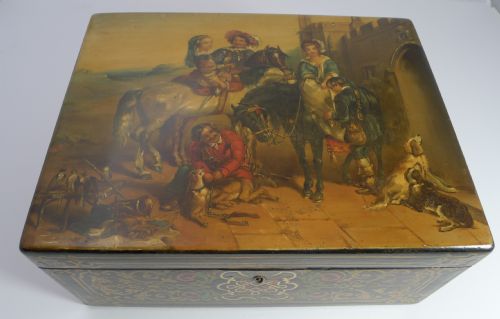


English Dressing Case
An English dressing case is a fitted travel box for personal grooming and valuables, combining fine cabinet-making with portable utility for the discerning traveller.
English Dressing Case
An English dressing case is a portable receptacle designed to hold grooming implements, cosmetics, and personal valuables during travel or for dressing table use. These pieces range from compact travelling boxes to substantial gentleman's valets and ladies' vanity cases.
The versions most commonly met on this page date from the Victorian and Edwardian periods, alongside Regency and mid-century examples. They frequently arrive with fitted interiors containing compartments for bottles, brushes, and accessories.
Object types associated with this search span fitted jewellery boxes, gentleman's travel cases, and grooming sets. Their forms reflect the travelling habits and social requirements of their respective eras.
Materials and construction
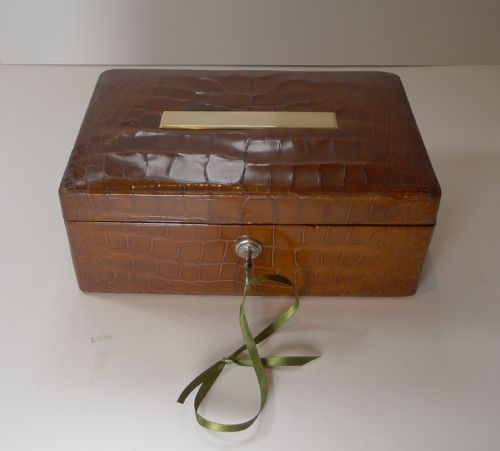
Makers utilised timber foundations such as rosewood, coromandel, and burr walnut, often finished with leather, crocodile, or alligator skin coverings. These exterior materials were selected for durability during transit as well as visual appeal.
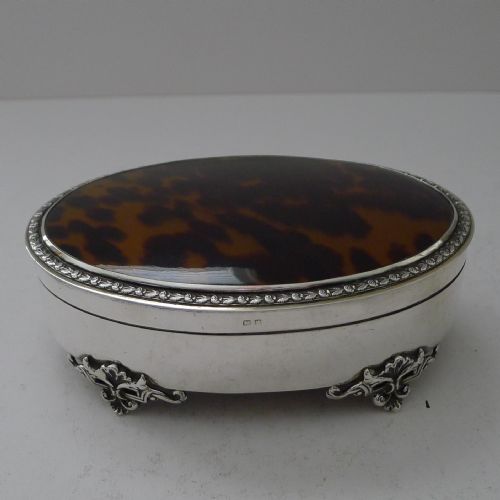
Interiors typically feature linings of velvet alongside fitted compartments secured with brass hardware. Many examples incorporate sterling silver, tortoiseshell, and mother of pearl for grooming implements and container lids.
Joinery and carcass construction required precision to accommodate complex internal mechanisms, secret drawers, and multi-tier trays without compromising the structural integrity of the outer case.
English Dressing Case Retail Price Guide 2026
Typical asking prices for english dressing case among the pieces listed under this phrase on Sellingantiques today, from the lower quarter to the upper quarter. They describe what is for sale here now, not the wider market.
Listings span the Regency era through to the 1950s, employing materials such as coromandel, tortoiseshell, sterling silver, and alligator skin across various travel formats.
Factors of quality
The standard of an English dressing case is determined by the completeness of its original fitted interior and the quality of its internal fitments. Cases retaining their matching sets of silver-lidded glass jars, brushes, and instruments command greater regard.
Material selection and decorative execution separate standard productions from finer workshop pieces. Superior examples display intricate tortoiseshell inlays, hand-painted details, or precious metal mounts executed with precision.
The integrity of the mechanism, including working locks with original keys and smoothly operating folding writing slopes or trays, indicates the original tier of manufacture.
Harrods·Parkins and Gotto·Jennens and Bettridge·Smiths
The English Dressing Case Glossary
- Dressing case
- A portable box fitted with compartments and containers for grooming items, cosmetics, and personal possessions. They were essential luggage for wealthy travellers from the Regency period onwards.
- Valet case
- A specialised form of travel case tailored for a gentleman, typically housing suit hangers, grooming brushes, and shaving requisites. These pieces emphasise utilitarian organisation for travel.
- Coromandel
- A dense, dark cabinet wood with contrasting light grain, sourced from Southeast Asia and utilised for high-end Victorian boxes. Its rich colour made it a favoured choice for luxury fitted cases.
- Sterling silver
- A silver alloy containing 92.14 percent silver by mass, frequently employed for the lids of jars, mirror backs, and button hooks within fitted cases. Hallmarks on these components assist in dating the piece.
- Tortoiseshell
- The mottled brown and amber shell of certain turtle species, used as an overlay for decorative panels and brush backs. It is often enhanced by pique work in gold or silver.
English Dressing Case: Frequently Asked Questions
What is an English dressing case?
An English dressing case is a portable box or suitcase designed to hold personal grooming items, jewellery, and writing materials while travelling. They were produced in various sizes, from compact tabletop boxes to large cases intended for carriage transport.
Inside, these cases feature custom compartments lined with velvet or leather to secure glass bottles, silver-topped jars, brushes, and occasionally writing slopes. They served as complete mobile dressing stations for Victorian and Edwardian travellers.
How were these cases used historically?
Owners utilised these cases during journeys by train, carriage, or steamship to maintain their daily grooming routines away from home. Servants often packed and carried the cases, ensuring the owner had access to their personal effects upon arrival at an estate or hotel.
On the dressing table, the case opened to display neatly organised bottles and implements. Many pieces also incorporated secret drawers for securing valuable jewellery and currency.
How do I date an English dressing case?
Dating relies on a combination of material choices, construction techniques, and hallmarks on any silver components. Regency and early Victorian pieces often feature exotic timbers like rosewood and coromandel with secret spring-loaded drawers.
Later Victorian and Edwardian examples frequently adopt leather or crocodile skin exteriors with sterling silver mounts bearing date letters. Comparing the internal layout and fabric linings to known period styles further narrows the manufacturing window.
How do I care for a leather dressing case?
Leather and skin-covered cases require a stable environment away from direct sunlight and excessive humidity to prevent the material from drying out or cracking. Gentle cleaning with a dry or slightly damp cloth maintains the surface.
Interior velvet and silk linings should be kept free of dust using a soft brush. Treating leather periodically with appropriate conservation wax preserves its flexibility and colour.