


English Deep Seated Chair
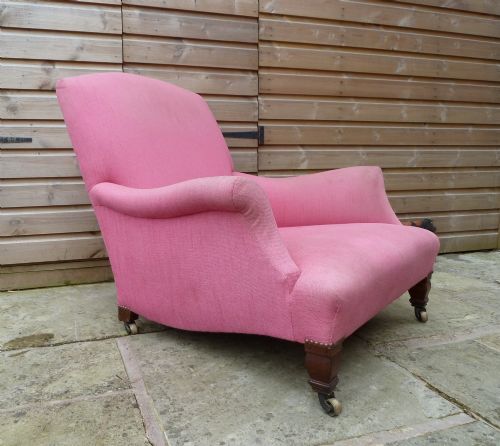
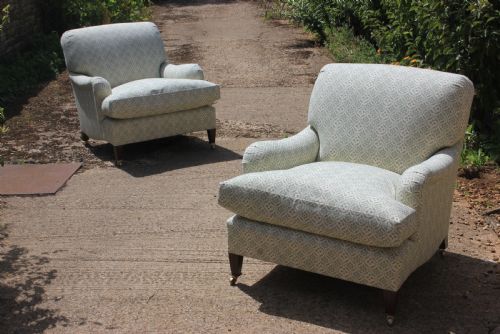
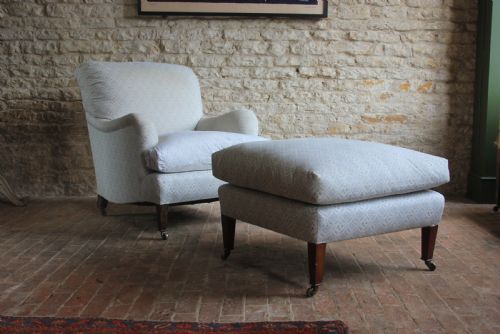
An English deep seated chair invites you to sink right back into generous proportions built for long hours of comfortable repose.
English Deep Seated Chair
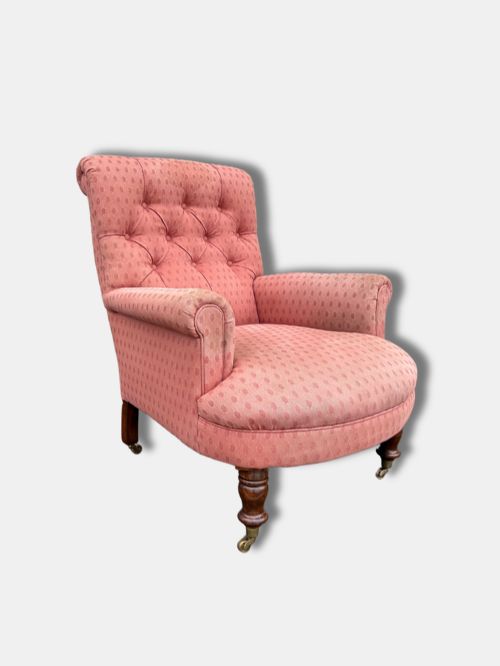
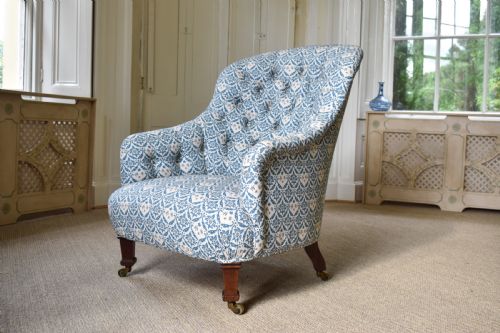
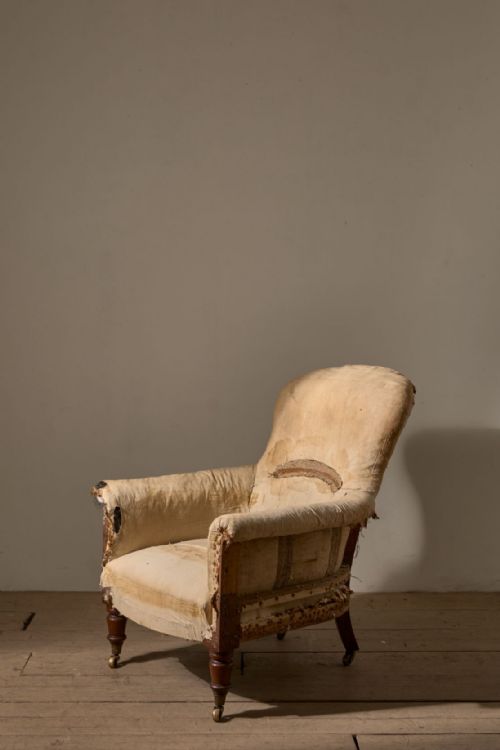
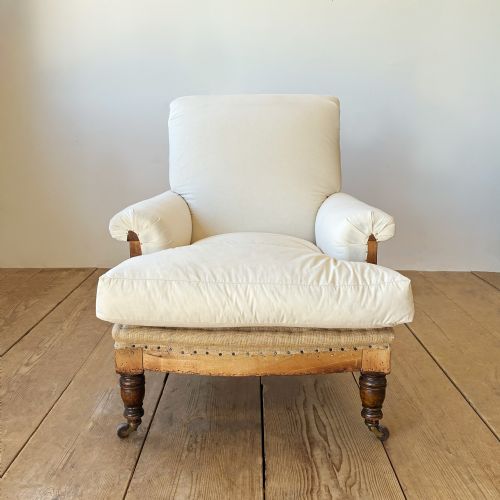
When searching for an english deep seated chair, you encounter upholstered seating designed with generous proportions for relaxed lounging. These pieces range from nineteenth century library chairs to relaxed country house easy chairs and twentieth century club forms.
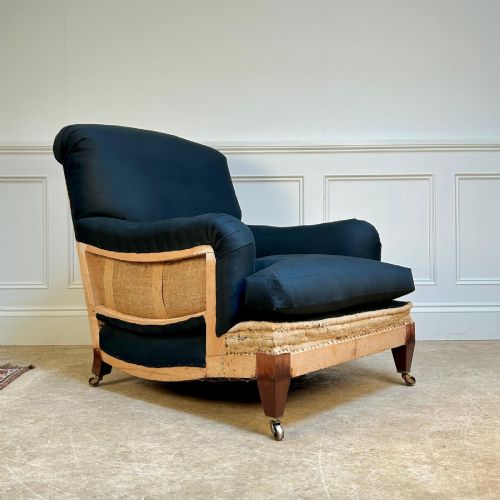
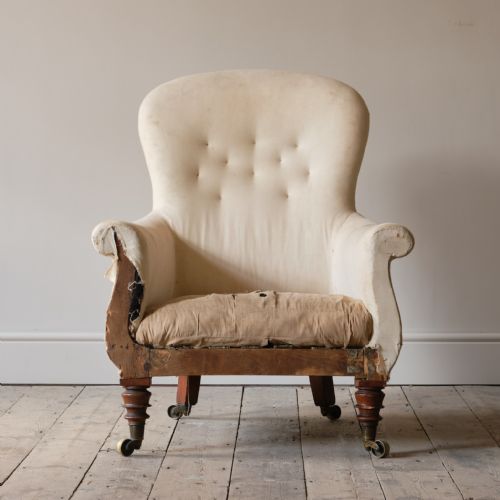
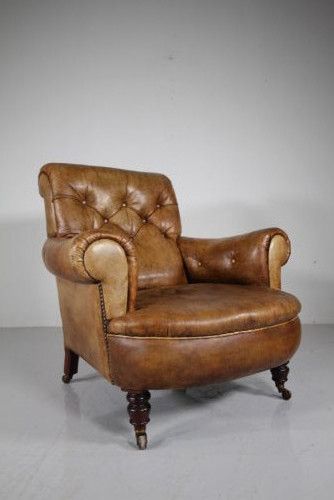
The most common examples on this page date from the Victorian and Edwardian periods, often bearing the low profile and sprung comfort associated with makers like Howard and Sons. They appear frequently in traditional ticking, calico, or rich leather finishes.
Many items reflect the English country house aesthetic, combining sturdy timber frames with deep cushioning intended for domestic comfort. Armchair and slipper chair variants dominate the selection, offering broad seats and supportive backs.
Materials and Construction
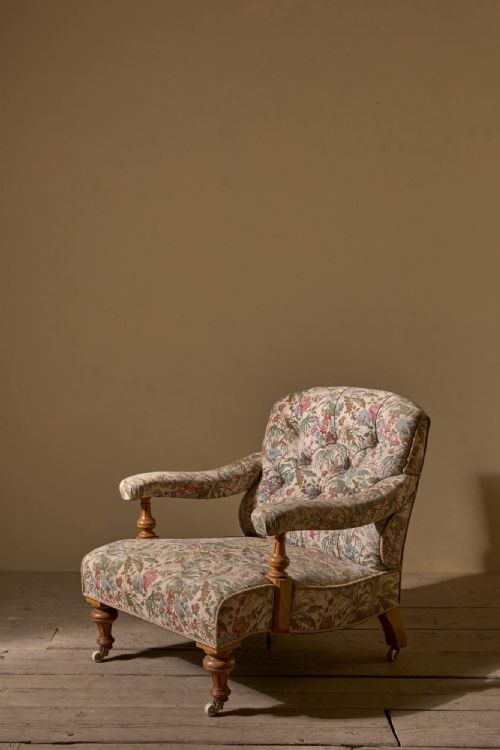
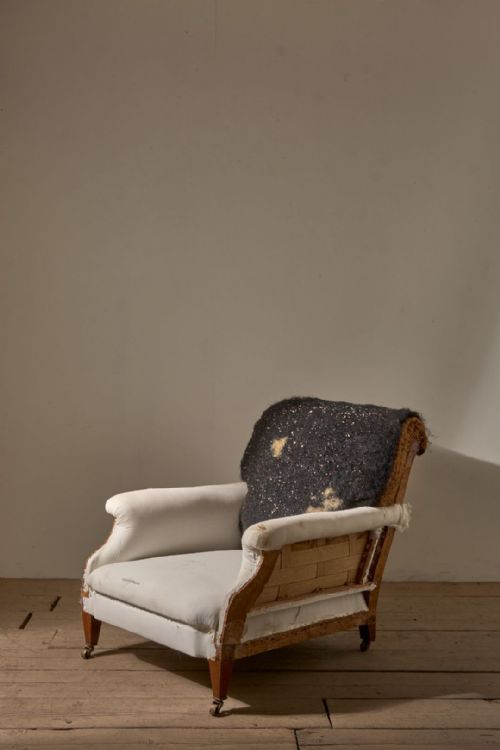
Frames rely on hardwoods such as oak, walnut, and mahogany to provide a rigid structural skeleton beneath the padding. Exposed woodwork often appears on legs, which may feature brass castors or carved details like claw and ball feet.
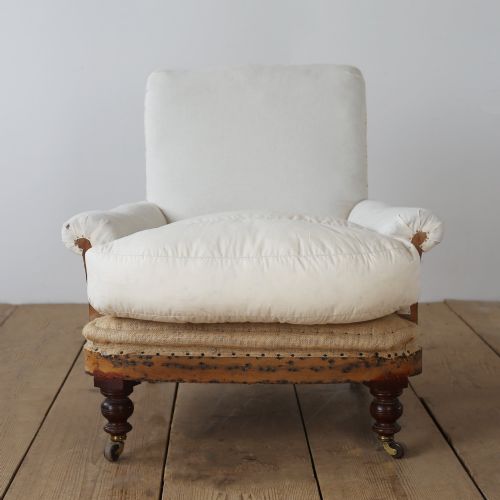
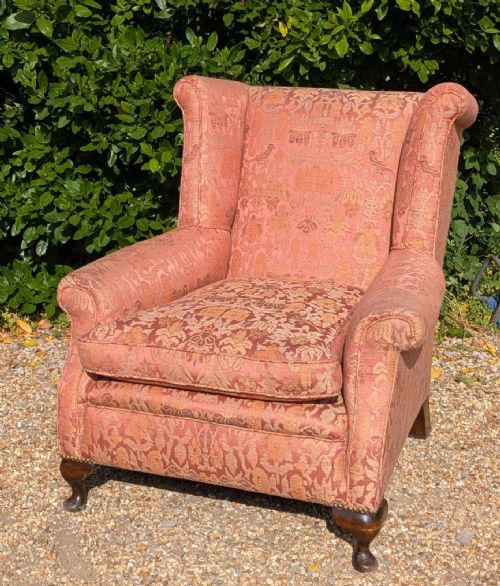
Interior padding traditionally incorporates sprung foundations paired with loose feather fillings for softness and resilience. Upholstery materials span durable leather, patterned fabric, and utilitarian calico or ticking covers.
Many pieces hide their maker's identity beneath modest grey ticking until a cushion is lifted to reveal the stamp.
Evaluating Quality and Craftsmanship
Quality rests heavily on the integrity of the internal frame and the resilience of the original sprung upholstery system. Pieces with robust hardwood frames and traditional coil springing hold their shape far better through decades of use.
Distinction also lies in the pedigree of the maker or the fidelity of the style, particularly pieces bearing maker stamps or signature design proportions. The choice of covering material, from supple leather to heavy ticking, further separates standard examples from exceptional ones.
Howard and Sons·James Shoolbred·Trollope and Sons·Gillows
The English Deep Seated Chair Glossary
- Calico
- A plain-woven cotton fabric frequently used as an underlying tight cover on traditional upholstered seating before the final decorative material is applied.
- Bridgewater
- A relaxed armchair style characterised by low rolled arms, a deep seat, and loose cushion padding designed for informal comfort.
- Spoon back
- An upholstered chair back shaped in a concave oval resembling the bowl of a spoon, popular during the Victorian era for ergonomic support.
- Ticking
- A tightly woven, durable cotton or linen fabric traditionally featuring striped patterns, commonly utilised for country house loose covers.
- Library chair
- A substantial, comfortable armchair designed for prolonged reading, often constructed with sturdy timber framing and leather upholstery.
English Deep Seated Chair: Frequently Asked Questions
What defines an english deep seated chair?
These pieces feature generous seat dimensions and low, inviting proportions designed specifically for lounging and relaxation. They typically combine sturdy timber frames with deep, sprung cushioning.
Most examples emerge from nineteenth and early twentieth century traditions, particularly associated with English country house interiors.
How do I identify a Howard style chair?
Howard style seating is recognised by its low rolled arms, casters on the legs, and exceptionally deep, comfortable cushioning. They often use traditional ticking or branded calico beneath loose down-filled cushions.
Original pieces frequently feature maker stamps on the back legs or castors, distinguishing them from later revivals.
Were these chairs used in libraries?
Library chairs were built robustly with leather upholstery and solid hardwood frames to withstand heavy daily use in study spaces. Their deep seats and supportive backs accommodated long hours of reading.
Oak and mahogany frames predominate in these library forms, often paired with brass castors for ease of movement.
How should I live with vintage upholstery?
Living with these chairs involves appreciating the patina of aged leather or refreshing loose covers in traditional ticking and fabric. Regular plumping of feather fillings maintains the characteristic deep comfort.
Positioning them away from direct sunlight protects both exposed timber and delicate fabrics from fading over time.