



English Craft Chairs
English craft chairs are robust vernacular and movement seating shaped by local woods and traditional methods, offering honest utility and distinct period character for the home.
English Craft Chairs
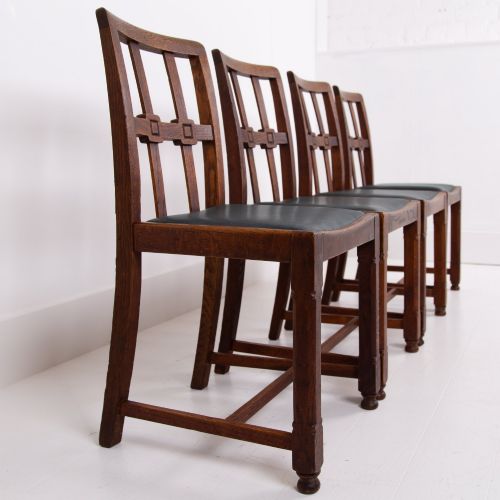
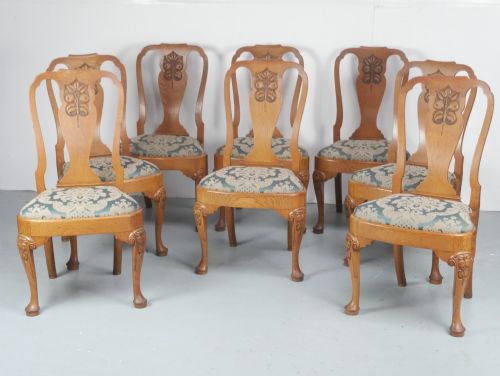
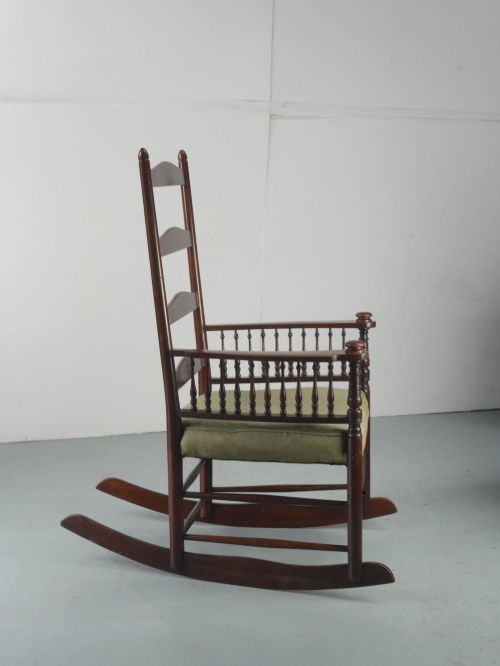
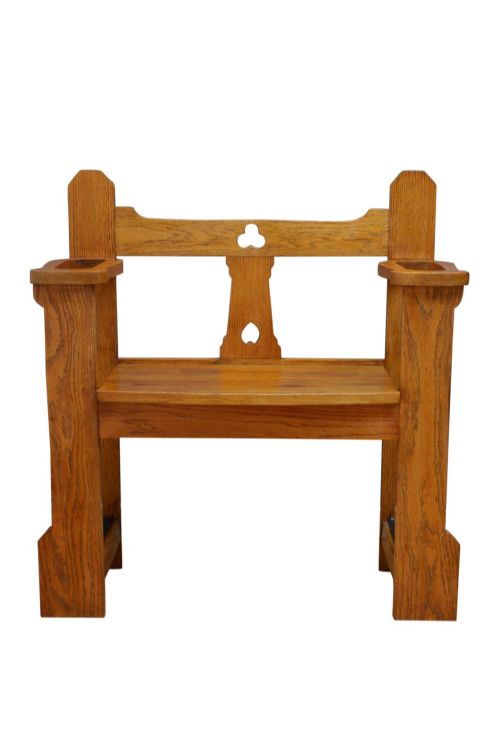
When you search for english craft chairs, you encounter a diverse array of vernacular and movement-driven seating that spans from the late nineteenth century through to the mid-twentieth century. These pieces reflect regional traditions and workshop ideals, encompassing forms such as armchairs, dining chairs, side chairs, hall seats, and desk chairs.
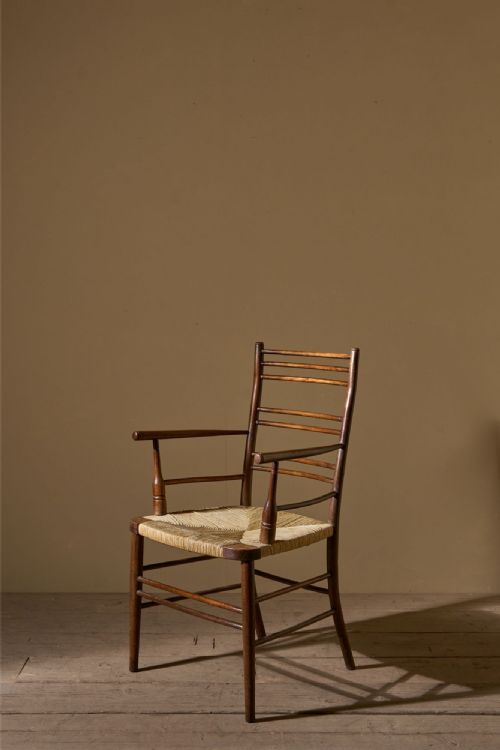
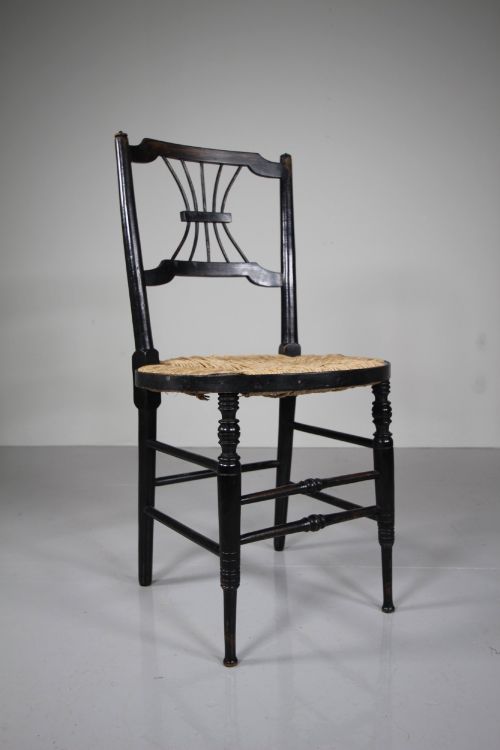
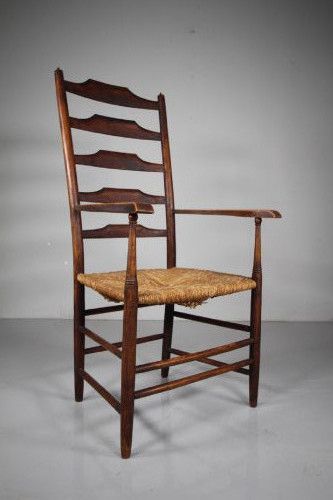
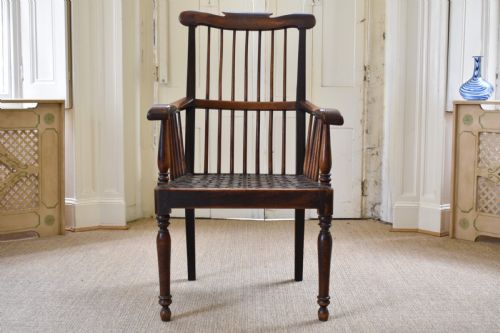
The versions you are most likely to meet on this page range from nineteenth-century country armchairs in oak, elm, and laburnum to Arts and Crafts ladderbacks and rush-seated Sussex designs. Later twentieth-century examples also appear, including pieces associated with Robert Mouseman Thompson and Dryad of Leicester.
Makers and designers working within the Arts and Crafts and Aesthetic movements created lighter, functional seating that valued exposed timber and woven rush. Alongside these, vernacular country makers utilised native woods to build sturdy chairs suited to everyday domestic life.
Materials and construction
Makers relied on native hardwoods such as English oak, elm, ash wood, and laburnum, often pairing sturdy frames with natural rush or leather seats. Timber was selected for its grain and resilience, supporting traditional joinery techniques without reliance on elaborate veneer.
Seating surfaces were frequently formed from woven natural rush or upholstered in brown leather, while frames utilised turned spindles, ladderbacks, and carved details like signature wooden mice. Ebonised beech and mahogany also appear in specific aesthetic and vernacular interpretations.
English Craft Chairs Retail Price Guide 2026
Typical asking prices for english craft chairs among the pieces listed under this phrase on Sellingantiques today, from the lower quarter to the upper quarter. They describe what is for sale here now, not the wider market.
The listings on this site span the nineteenth and twentieth centuries, featuring periods such as the Edwardian era and the 1930s.
Judgements of quality
Quality in these chairs rests upon the integrity of the timber selection and the retention of original surface patination. Pieces that preserve their initial rush seating or unblemished leather upholstery demonstrate greater fidelity to their period of manufacture.
The crispness of turned components and the stability of traditional frame joints distinguish standard utility work from pieces produced by notable workshops or named designers. Proportion and balance in vernacular country furniture determine how successfully a chair combines functional comfort with artistic intent.
William Morris·Philip Clissett·E W Godwin·Dryad of Leicester·Robert Mouseman Thompson
The English Craft Chairs Glossary
- Rush
- A marsh plant woven to create durable, textured seat pads. It provides a traditional flexible surface found on many vernacular and Arts and Crafts chairs.
- Ladderback
- A chair back featuring multiple horizontal horizontal slats between the upright posts. This traditional form offers strong lumbar support and a clean silhouette.
- Vernacular
- Architecture and objects built by local craftspeople using regional materials and traditional methods. These pieces prioritise practical function over high-style academic design.
- Aesthetic Movement
- A late nineteenth-century design trend emphasising beauty and artistic expression over moral or narrative purpose. Furniture from this movement often shows Japanese influence and ebonised finishes.
- Arts and Crafts
- A design philosophy originating in the nineteenth century that championed handcraftsmanship and simple forms. It rejected mass production in favour of traditional vernacular methods.
English Craft Chairs: Frequently Asked Questions
What defines english craft chairs?
These chairs encompass vernacular country seating and movement-led designs created using native timbers and traditional construction methods.
They reflect the materials and working practices of regional makers and specific design philosophies from the nineteenth and twentieth centuries.
How were rush seats made?
Makers twisted natural dried marsh plants into sturdy cords and wove them tightly around the chair frame to form a supportive surface.
This method created a resilient, textured seat that responded well to domestic use and could be renewed when worn.
Where should I place a hall seat?
Narrow hall benches and seats suit entranceways, corridors, or narrow landings where depth is limited.
Their restrained proportions provide a practical resting place without obstructing foot traffic in smaller spaces.
How do I care for rush seats?
Keep woven rush away from excessive moisture and direct heat sources to prevent the natural fibres from becoming brittle.
Gentle dusting and occasional light cleaning maintain the strength and appearance of the woven material.
What is vernacular furniture?
Vernacular furniture refers to utilitarian pieces made by local craftspeople using regionally available woods and traditional techniques.
These items were shaped by local needs and practical requirements rather than prevailing metropolitan fashion trends.