


English Countryside Oil
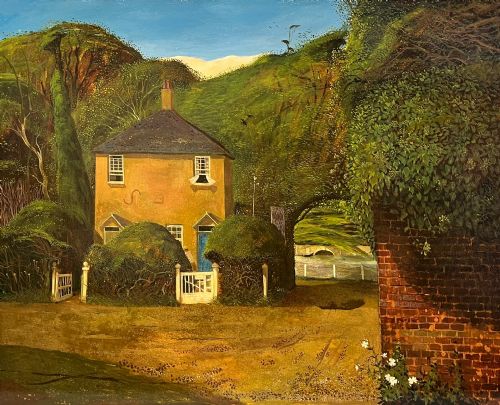
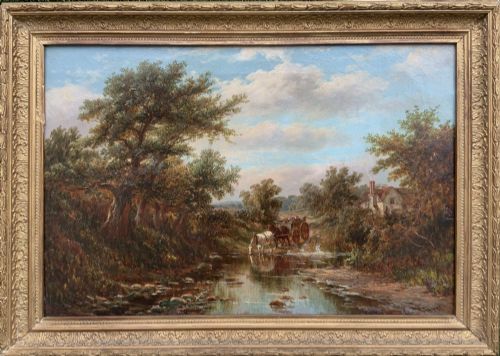
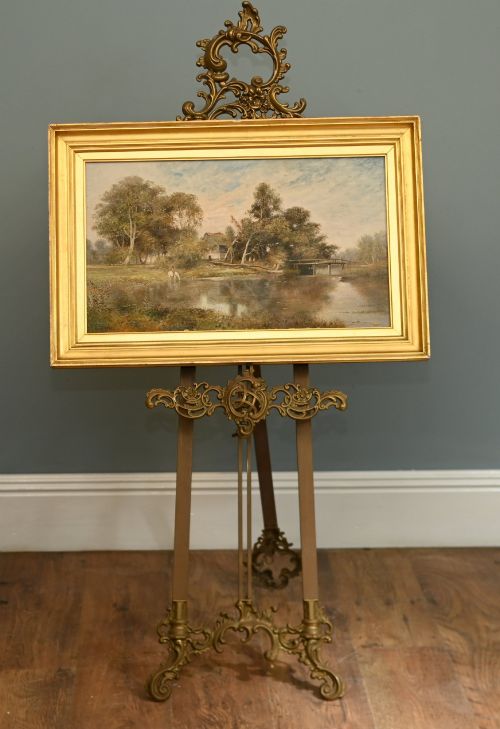
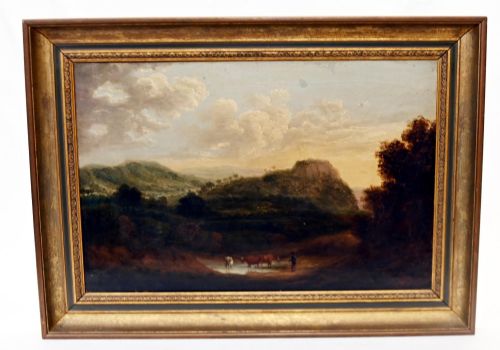
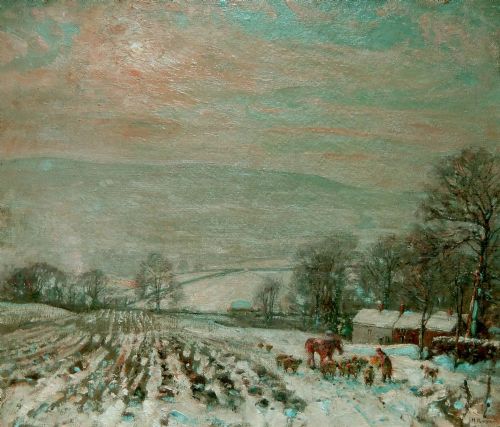
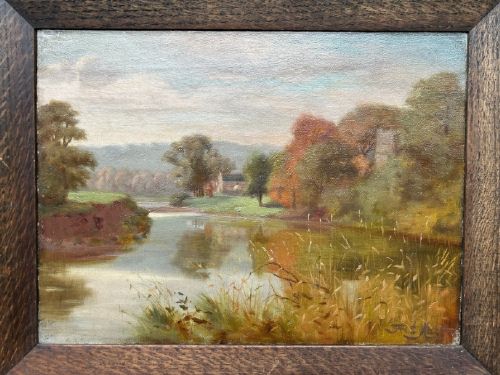
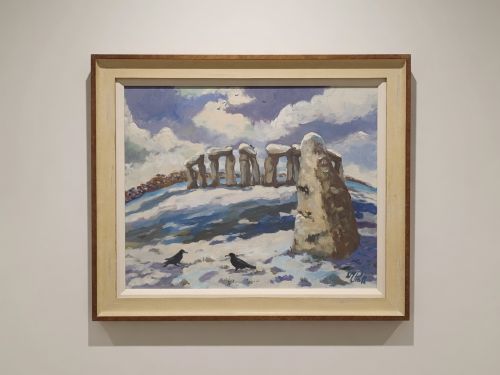
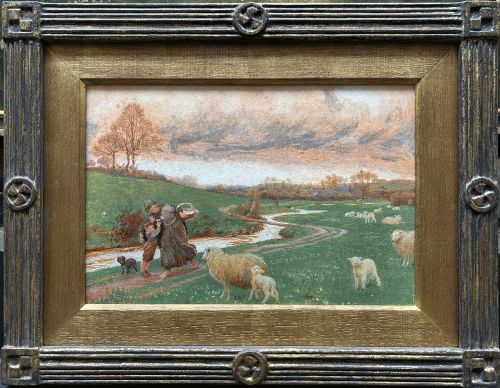
English countryside oil paintings capture rural rivers, farms and pastures across the nineteenth and twentieth centuries.
English Countryside Oil
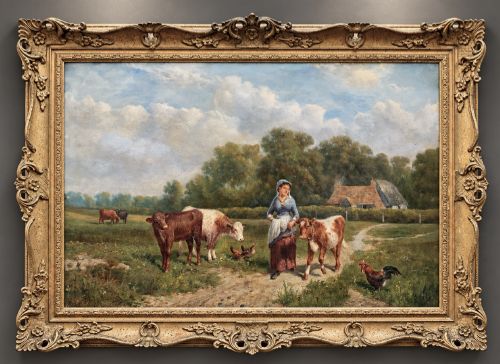
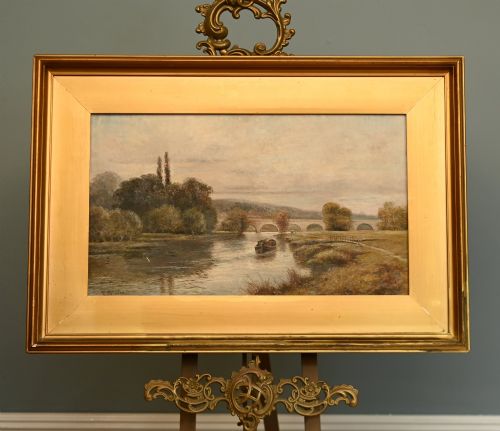
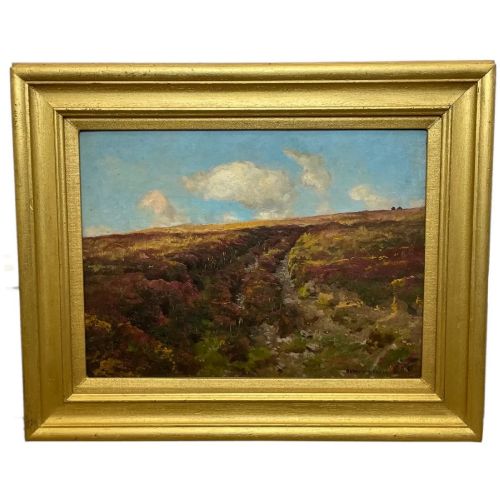
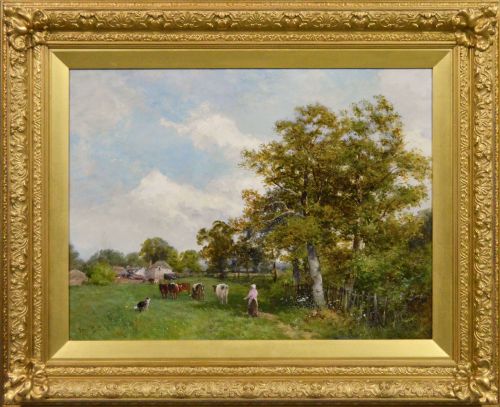
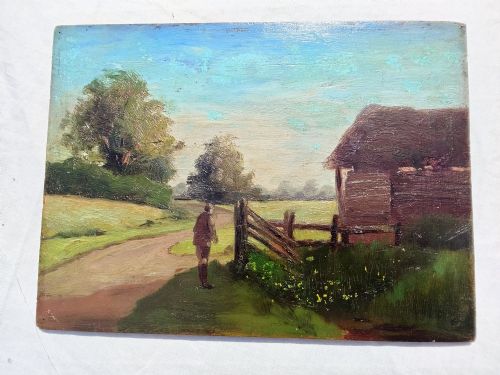
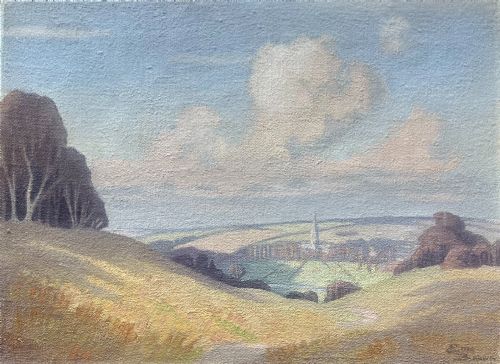
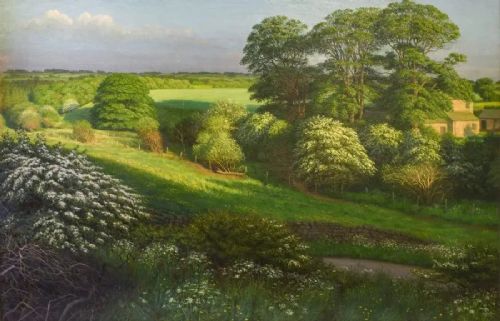
These works depict pastoral views, river valleys, livestock and rural laborers across the British landscape. The selection spans nineteenth-century Victorian pastoral scenes through to twentieth-century regional views on canvas and panel.
Buyers encounter framed original fine art paintings attributed to named regional artists or unsigned British School hands. Common motifs include farmyards, cattle, river banks and village settlements set in changing seasons.
Subjects range from tranquil Thames Valley waters and Welsh mountain ranges to Devon ponies and Yorkshire evening light. These pieces reflect shifting artistic movements from Victorian realism and naturalism to British impressionism.
Materials and technique
Pigments are bound in oil and applied primarily to woven canvas supports stretched over wooden frames. Several examples utilise wooden panels or boards as a rigid base for the paint layer.
Brushwork varies from smooth academic blending in nineteenth-century canvases to visible impasto texture in later twentieth-century works. Works are frequently housed in gilt frames that complement the composition.
English Countryside Oil Retail Price Guide 2026
Typical asking prices for english countryside oil among the pieces listed under this phrase on Sellingantiques today, from the lower quarter to the upper quarter. They describe what is for sale here now, not the wider market.
Materials span oil on canvas, wood panels and boards, accompanied by period gilt frames.
Evaluating quality
Superior execution shows in the handling of natural light, atmospheric depth and anatomical precision in figures and livestock. The strength of the composition and the subtlety of tonal transitions elevate finer examples above standard regional topography.
Signatures by documented painters add distinction, though accomplished unsigned works from the British School rely entirely on brushwork and visual balance. The preservation of the original paint surface and framing integrity further define desirability.
Samuel Joseph Clark·David Bates·John Horace Hooper·Herbert Royle·Arthur Wardle·Charles Walter Simpson·Helen Layfield Bradley·Reginald Grange Brundrit
The English Countryside Oil Glossary
- Canvas
- A heavy woven fabric stretched across a wooden frame to serve as a support for oil paint. It provides a flexible and durable surface historically favored by landscape artists.
- Impasto
- Paint applied in thick layers that stand out distinctly from the surface. This technique allows the texture of the brushstrokes to catch the light and add physical depth to the scene.
- Oil paint
- A slow-drying medium composed of pigments suspended in a drying oil such as linseed. It permits smooth blending and rich colour saturation.
- Panel
- A flat piece of wood used as a rigid alternative to canvas for supporting paintings. Wooden panels were common in smaller works and earlier traditions.
- Pastoral
- A genre of art depicting rural scenes, farm life and idealized country landscapes. These compositions focus on harmony between inhabitants, animals and their natural surroundings.
English Countryside Oil: Frequently Asked Questions
What periods do these paintings cover?
The works span from the nineteenth-century Victorian era through the Edwardian period and into the mid-twentieth century. Styles evolve from traditional realism and pastoral naturalism toward British impressionism.
Dates and attributions often reflect the active working periods of the artists recorded in the titles.
How should I display an oil painting?
Hang paintings away from direct sunlight and fluctuating heat sources to protect the canvas and oil pigments. Stable indoor environments prevent the wood stretcher frames and canvas from warping.
Ensure the piece is securely mounted using hardware suited to the weight of the frame.
Are these paintings signed by the artist?
Many works bear the original signature or monogram of the painter, while others are attributed to the broader British School. Unsigned pieces are identified through stylistic evidence, subject matter and period characteristics.
Signatures often appear discreetly in the lower corners of the canvas.
What subjects are most common?
Typical subjects include river valleys, farmyards, livestock, coastal views and rural workers in the English countryside. Scenes frequently capture specific locations across Yorkshire, Devon, Dorset and the Thames Valley.
Seasonal shifts from winter feeding to autumn rivers provide varied atmospheric moods.