

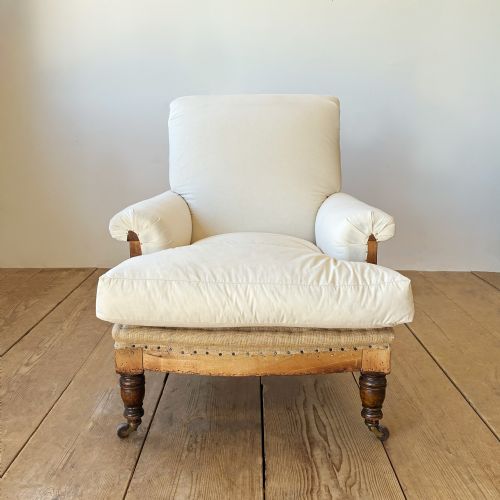

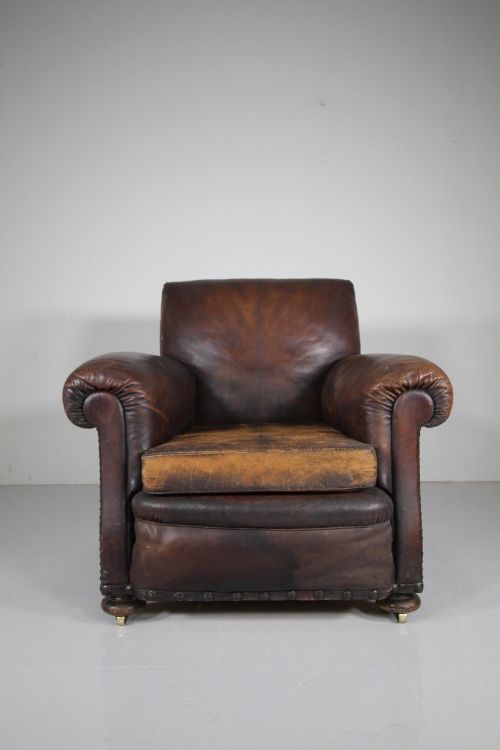
English Country Lounge Chair
An english country lounge chair brings relaxed comfort and heritage style to a room, built for deep seating and long hours of sitting.
English Country Lounge Chair
An english country lounge chair represents the relaxed seating found in traditional domestic interiors, spanning periods from the nineteenth century through the nineteen-thirties. You will frequently encounter nineteenth-century examples and Victorian interpretations, alongside Edwardian and nineteen-thirties traditional pieces.
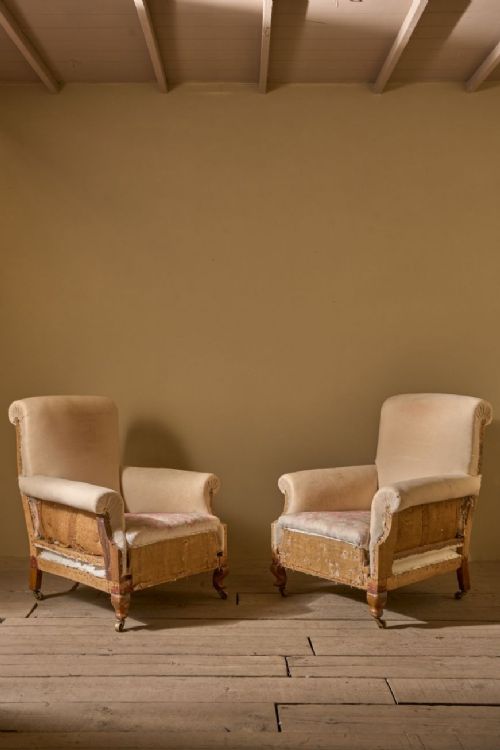
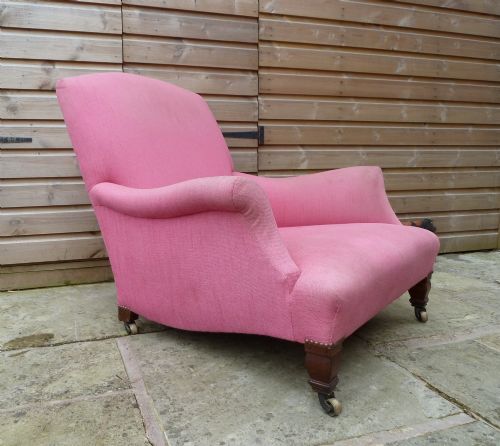
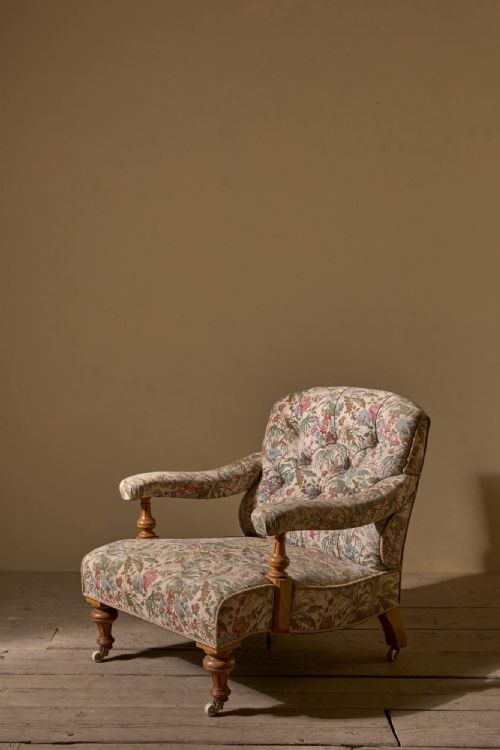
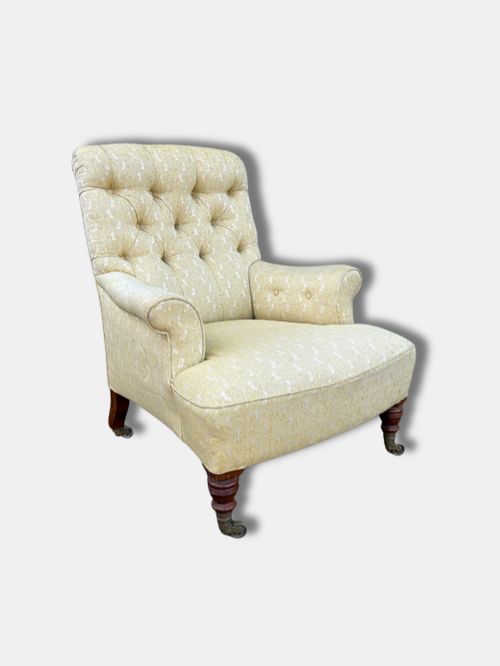
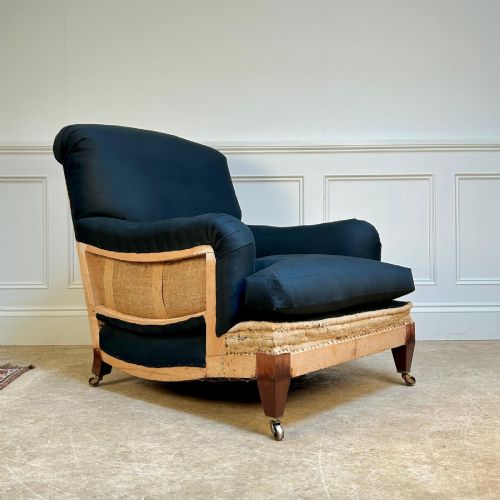
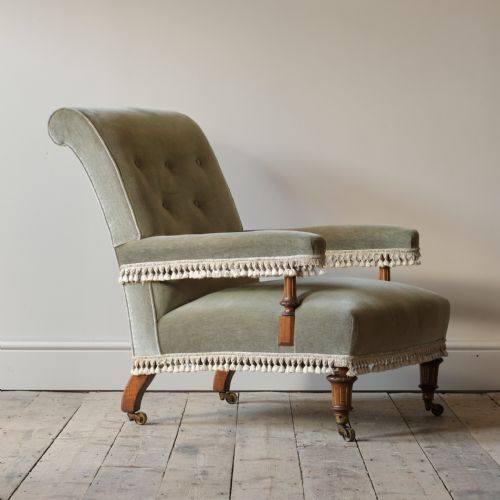
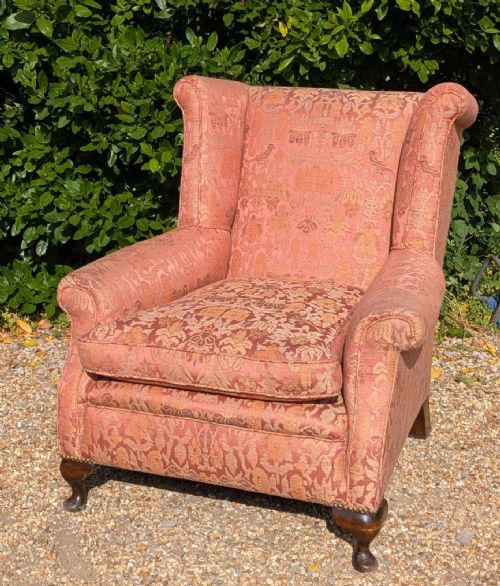
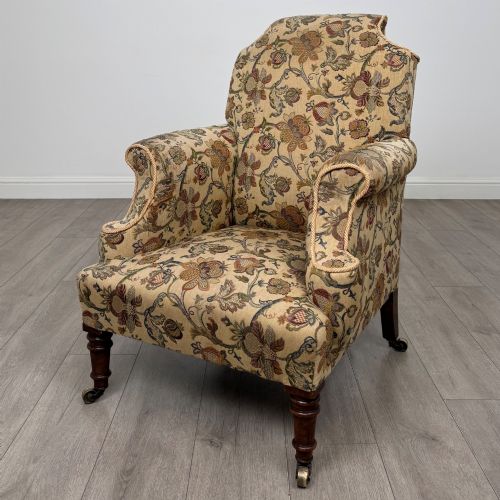
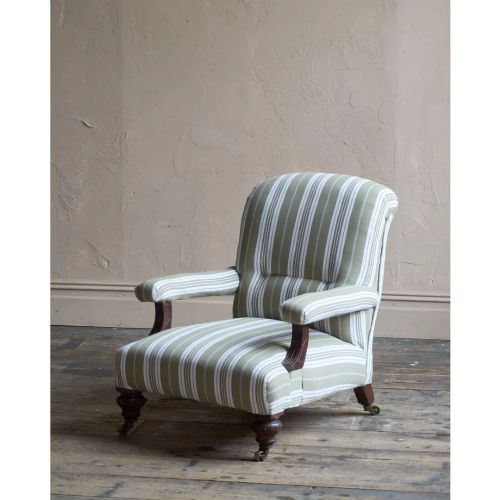
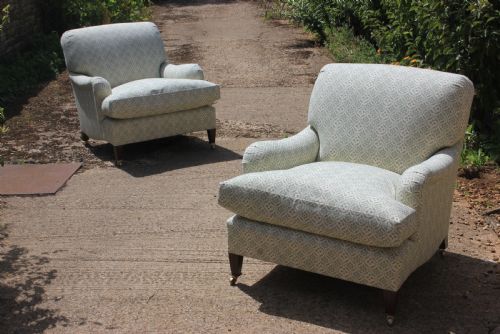
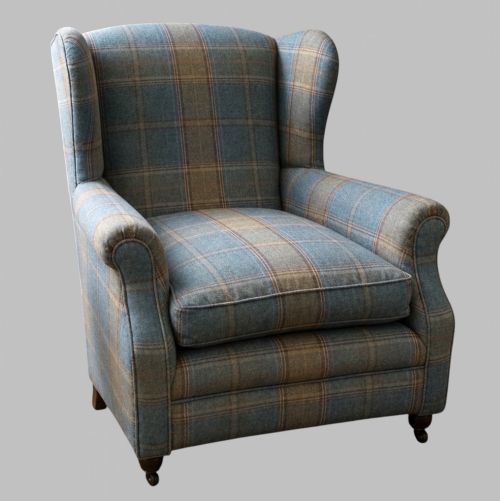
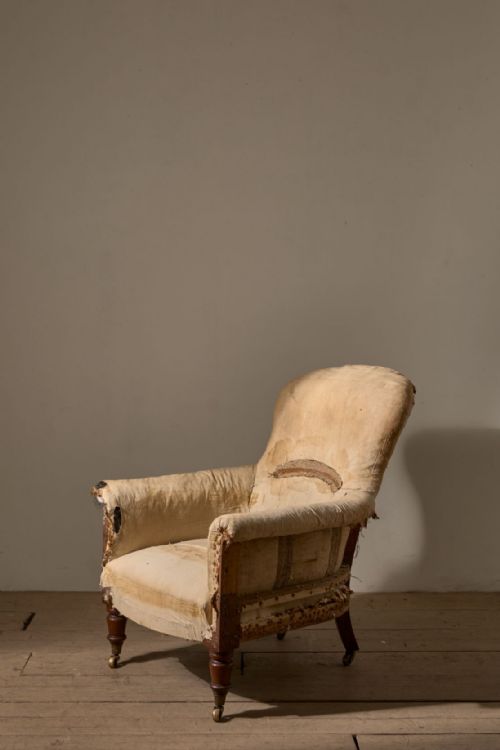
The selections on this page are armchairs designed primarily for comfort, taking forms such as club armchairs, open armchairs, wingback chairs, and scroll back designs. Many exhibit the deep seats and generous proportions characteristic of country house seating.
Materials and construction
Frames rely on sturdy timbers including mahogany, walnut, and general wood, paired with internal elements of brass for castors and mechanisms. Upholstery materials utilise traditional fabrics, cotton, velvet, and ticking to provide the distinctive cushioned finish.
Construction techniques focus on deep-sprung seating and feather filling, supported by show frames in mahogany or turned wooden elements like bobbin turnings with cane seats.
Armchair forms span open armchairs, wingback designs, spoon backs, and deep club seats built for country house interiors.
Distinctions in quality
The distinction between standard workshop production and premier maker output rests on the integrity of the internal springing and the weight of the timber frame. Superior examples demonstrate rigorous upholstery work using original ticking or high-grade textiles like crewelwork and plaid.
Proportion and scale dictate the visual success of the piece, where deep seating and balanced scroll or wingback profiles command higher regard than heavier, unrefined frames.
Howard and Sons·Gillows·Hamptons and Sons
The English Country Lounge Chair Glossary
- Club armchair
- A deep, upholstered easy chair with low arms and a sprung seat designed for maximum comfort. These chairs originated in nineteenth-century gentlemen's clubs before migrating to domestic libraries and drawing rooms.
- Show frame
- A wooden structural framework left exposed around the upholstered portions of a seat. Mahogany and walnut are typical timbers chosen for these visible elements.
- Ticking
- A tightly woven cotton or linen fabric traditionally used to cover mattress springs and upholstery stuffing. In country house seating, grey or neutral ticking has become a signature outer cover.
- Wingback armchair
- A high-backed seating form featuring protective wings flanking the headrest to block drafts and retain warmth from a fireplace. Nineteenth-century versions often pair this shape with deep stuffing and velvet or plaid upholstery.
- Scroll back
- An upholstered chair back curving outward or inward at the top rail in a distinct scroll profile. This ornamental line softens the silhouette of heavy Victorian armchairs.
English Country Lounge Chair: Frequently Asked Questions
What defines an english country lounge chair?
An english country lounge chair is defined by its deep, generous proportions and emphasis on unpretentious comfort rather than formal stiffness. These seats were designed to be lived in, featuring soft upholstery and supportive sprung frames.
Examples range from nineteenth-century open armchairs to nineteen-thirties club chairs, all sharing a relaxed aesthetic suited to country houses and libraries.
How do I identify a nineteenth-century piece?
Nineteenth-century pieces typically reveal their age through heavy timber frames in mahogany or walnut, hand-tied coil springs, and traditional stuffing materials like horsehair or feathers. The joinery is robust and hand-finished.
Stylistic cues such as buttoned backs, carved show frames, and turned wooden legs further help date the furniture to the Victorian era.
Where should I place an oversized armchair?
An oversized armchair requires a room with sufficient floor space to accommodate its deep seat and wide arms without crowding other furniture. Libraries, studies, and spacious sitting rooms provide ideal settings.
Pairing the chair with a low reading lamp or placing it near a fireplace highlights its traditional role as a place for relaxation.
What is the difference between club and wingback styles?
Club styles feature low, soft arms and a deep seat designed purely for lounging, whereas wingback styles incorporate protective side panels on the upper back. Wingbacks historically offered shelter from drafts in large country rooms.
Both forms utilise upholstered frames, but the wingback silhouette stands taller and more upright than the low-slung club chair.