



English Ceramic Lighting
English ceramic lighting brings character to a room through centuries of fired clay and porcelain, combining practical illumination with sculptural presence.
English Ceramic Lighting
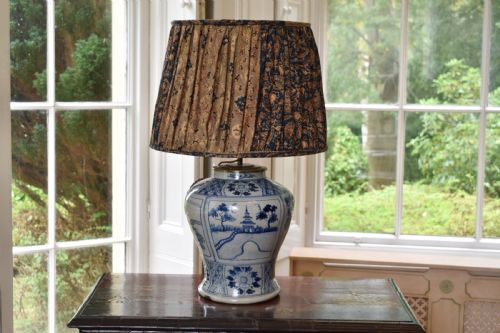
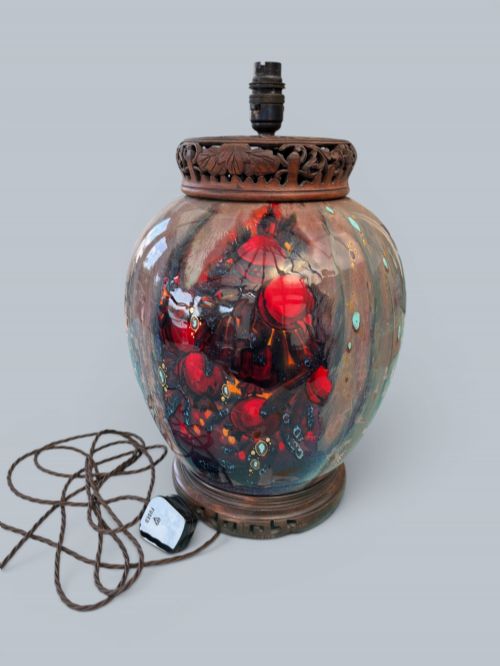
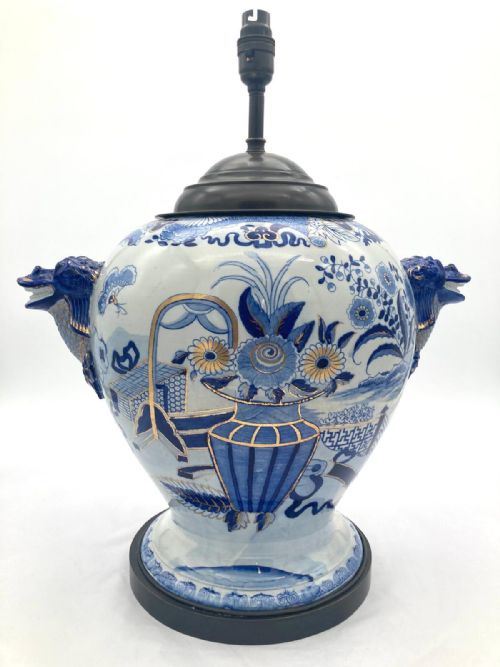
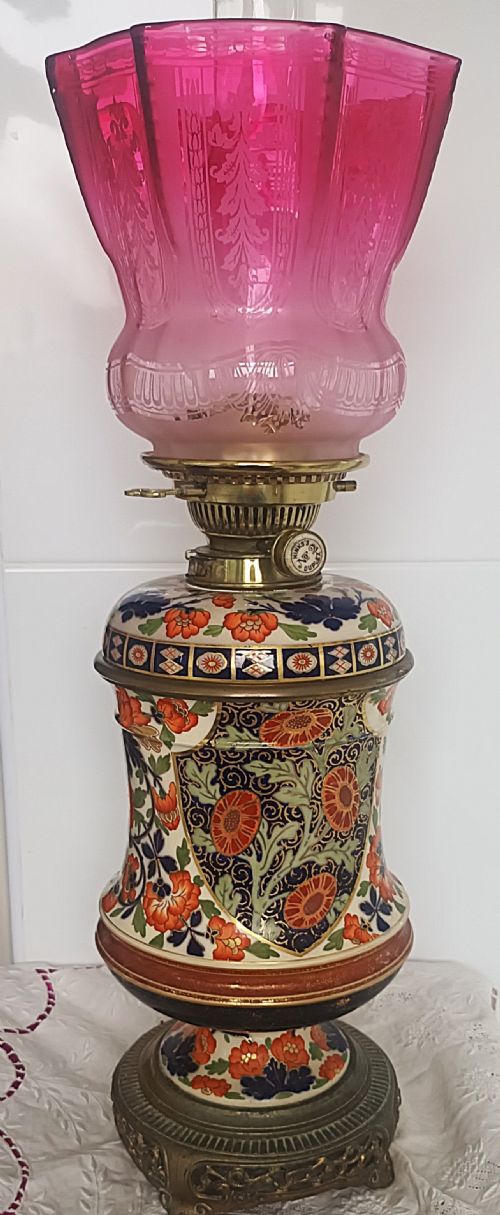
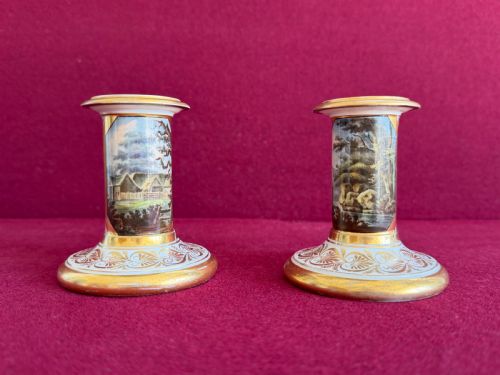
English ceramic lighting encompasses table lamps, oil lamps, and candlesticks shaped from earthenware, stoneware, and porcelain across multiple eras.
The objects on this page range from Georgian porcelain candlesticks and Regency ironstone vases later converted to lamps to Art Deco Denby Ware and Moorcroft art pottery.
Buyers frequently encounter Victorian ceramic oil lamps alongside earlier 18th-century porcelain pieces and various earthenware candlesticks from the 19th and early 20th centuries.
Distinctions in quality
Quality rests on the crispness of the moulding and the finesse of the hand-painted or enamelled decoration applied to the ceramic body.
Original mounts and conversions executed with sensitivity preserve the integrity of the piece better than crude alterations made to accommodate modern wiring.
English Ceramic Lighting Retail Price Guide 2026
Typical asking prices for english ceramic lighting among the pieces listed under this phrase on Sellingantiques today, from the lower quarter to the upper quarter. They describe what is for sale here now, not the wider market.
Periods represented reach from the 18th century through the Regency, Victorian, and Arts and Crafts eras into 1930s Art Deco.
Barr Flight And Barr·Hicks And Meigh·Moorcroft Art Pottery·Taylor Tunnicliff·Denby Ware·Doulton Lambeth·Wedgwood·Decoro England·Ridgway
The English Ceramic Lighting Glossary
- Ironstone
- A dense, durable type of earthenware patented in the 19th century. It offers a robust alternative to porcelain while accepting rich enamelling.
- Bocage
- An application of applied ceramic foliage and flowers found on 18th-century figures and candlesticks. This leafy background creates a rich, textured silhouette.
- Jasperware
- A fine-grained, unglazed stoneware developed in the 18th century, typically featuring white neoclassical reliefs against a coloured ground such as sage green.
- Parian
- A fine white biscuit porcelain resembling carved marble, named after Greek Parian marble. It was widely utilised for decorative jugs and sculptural wares in the 19th century.
English Ceramic Lighting: Frequently Asked Questions
Are these lamps wired for modern use?
Many ceramic bases started life as oil lamps, vases, or candlesticks before receiving electrical fittings at a later date.
Buyers should examine the wiring setup to determine if professional rewiring is needed to meet current safety standards.
How do I identify a Georgian piece?
Georgian examples often display characteristic neoclassical or rococo modelling in porcelain or refined earthenware.
Looking closely at the glaze, body weight, and hand-painted details helps distinguish these pieces from later 19th-century reproductions.
What is ironstone lighting?
Ironstone items are heavy, durable ceramic pieces that imitate porcelain toughness while allowing for bold printed and enamelled decoration.
Large Regency vases made from this material are frequently adapted into sturdy table lamps.
How should I clean ceramic bases?
Dust gently with a soft cloth and avoid harsh chemical cleaners that can damage historic glazes or fragile gilding.
Careful handling protects both the ceramic body and any attached brass or enamel ornamentation.