

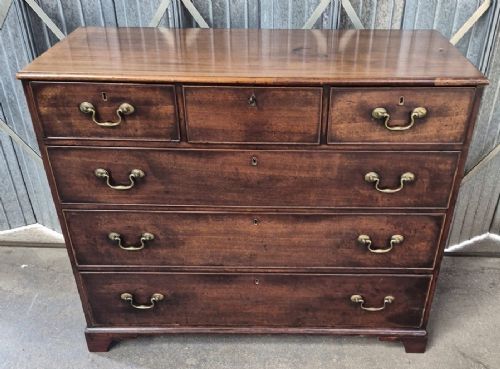
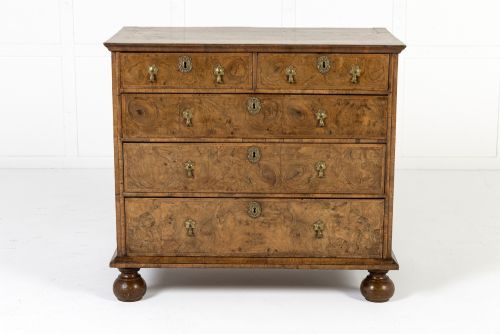
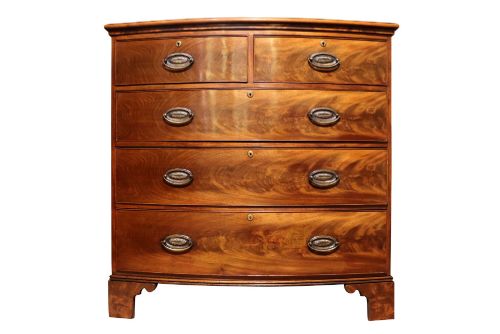
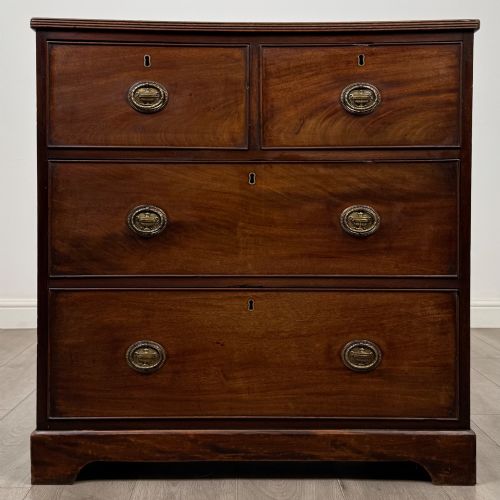




English Brown Wood Dresser
An English brown wood dresser delivers enduring storage and honest warmth, uniting centuries of timber tradition in one practical centrepiece.
English Brown Wood Dresser
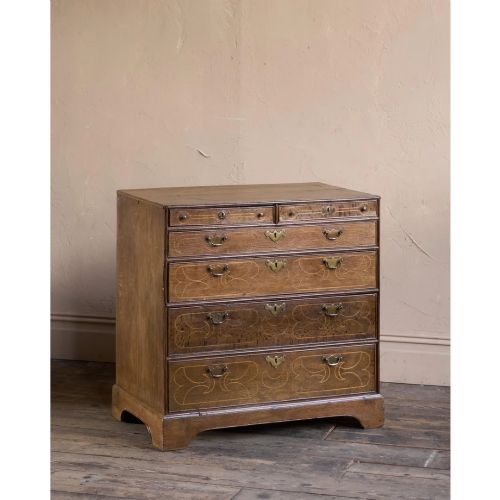
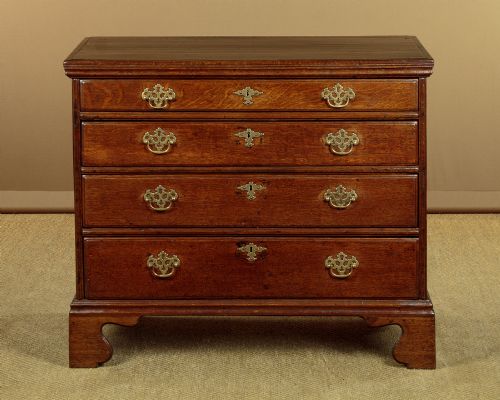
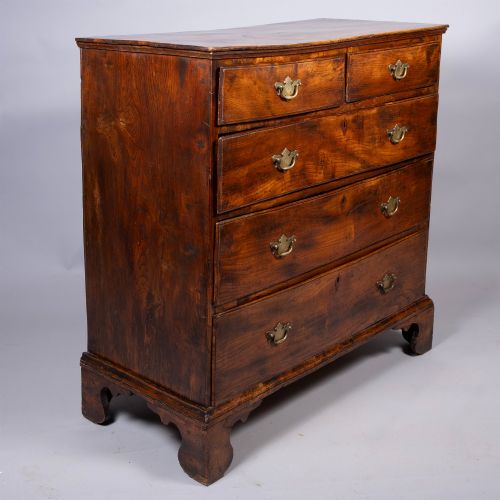
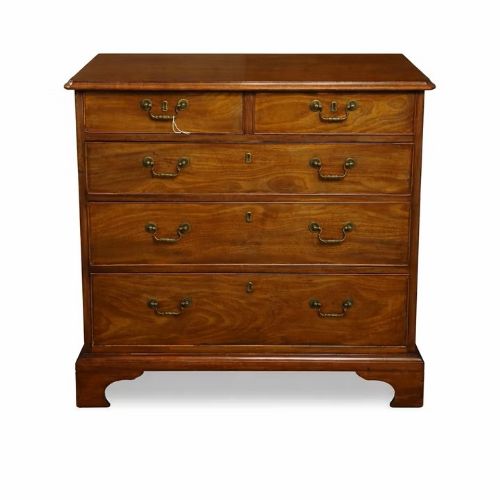
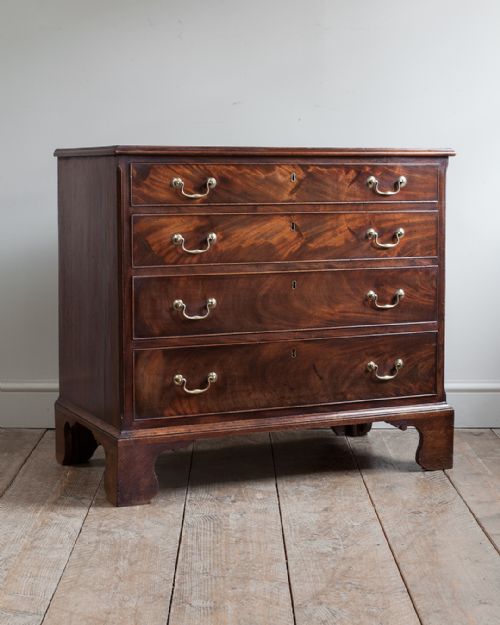
You will most frequently encounter Georgian and eighteenth-century examples alongside nineteenth-century variations. The selection includes country house pieces, farmhouse dressers with plate racks, and refined mahogany or walnut drawer chests.
The regional origins display distinct domestic woods alongside imported tropical hardwoods shaped by changing fashions. Vernacular pieces contrast with formal Regency and William and Mary iterations to define the broader category.
Materials and construction methods
Cabinet makers built these pieces using solid timbers such as oak, elm, pine, fruitwood, and walnut, frequently selecting dense mahogany for finer iterations. Brass hardware including drop handles and escutcheons complemented the rich grain of the wood.
Joinery methods relied on pegged mortise and tenon frames for early oak examples and precise dovetailing for later drawer construction. Decorative techniques encompassed floral marquetry, fruitwood inlay, and oyster olive veneers on selected surfaces.
English Brown Wood Dresser Retail Price Guide 2026
Typical asking prices for english brown wood dresser among the pieces listed under this phrase on Sellingantiques today, from the lower quarter to the upper quarter. They describe what is for sale here now, not the wider market.
Periods represented stretch from seventeenth-century William and Mary eras through to nineteen thirties revivals.
Distinctions in craftsmanship and preservation
Quality rests upon the selection of timber figures, from figured elm to oyster olive veneer, and the crispness of any inlay or marquetry work. Superior examples retain their original brasses, balanced proportions, and undisturbed surface patination.
The integrity of the structural joinery and drawer linings separates utilitarian workshop production from finer cabinet work. Retained original backboards and untouched finishes elevate the standing of surviving pieces.
The English Brown Wood Dresser Glossary
- Dresser base
- A low sideboard form featuring drawers and cupboards, historically utilised for food preparation and storage in large kitchens.
- Delft rack
- Shelved wooden shelving mounted on a wall or sitting atop a base to display ceramic plates and platters.
- Oyster veneer
- Thin circular slices cut transversely from small branches to create decorative repeating patterns across a surface.
- Marquetry
- Inlaid wood pieces arranged in geometric or floral decorative patterns across the primary surface of the furniture.
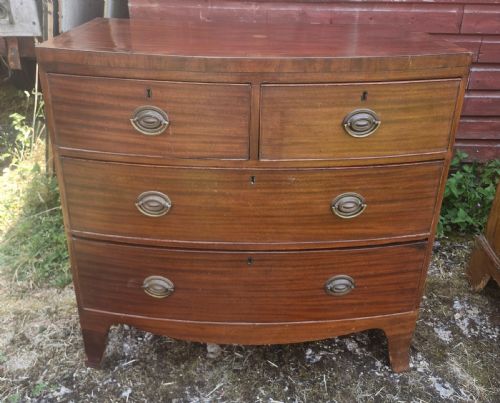
- Bow front
- A convex curved cabinet front popular during the Regency and Georgian periods which softens rigid room corners.
English Brown Wood Dresser: Frequently Asked Questions
What is a dresser base?
A dresser base is a long, low storage unit featuring a combination of drawers and cupboards arranged beneath a solid timber top. These functional pieces served working households for domestic food preparation and utensil storage.
Today, they function effectively as sideboards in dining rooms or entrance halls, providing deep storage whilst anchoring a room with historic wooden character.
How do I date an oak dresser?
Dating relies on observing construction methods, joinery marks, and the specific characteristics of the timber used in the frame and drawer linings. Earlier seventeenth and eighteenth-century pieces often display pegged joints, hand-split oak boards, and simpler plank construction.
Later Victorian revivals and twentieth-century interpretations utilise machine-sawn timber and different fastening methods, though they often imitate earlier seventeenth-century or Jacobean styles.
Where should I place a brown wood dresser?
These substantial timber items suit dining rooms, kitchens, or large living spaces where their surface and storage capacities are easily utilised. Positioning them away from direct heat sources protects the old wood from drying and splitting.
Pairing a base with an open plate rack creates a traditional display area for ceramics, whilst bare surfaces accommodate lamps or decorative objects.
How do I care for antique timber?
Maintain antique brown wood by keeping room humidity stable and dusting regularly with a soft, dry cloth. Avoid commercial silicone polishes that build up and attract dirt over time.
Occasional application of traditional beeswax feeds the dry grain and preserves the historic patina developed over centuries of use.