




English Brown Wood Cupboard
An English brown wood cupboard offers sturdy storage and rich timber grain, bringing centuries of practical craftsmanship straight into a modern room.
English Brown Wood Cupboard
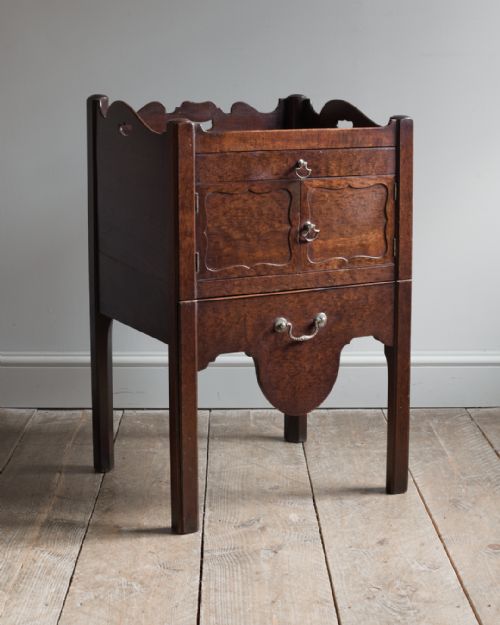
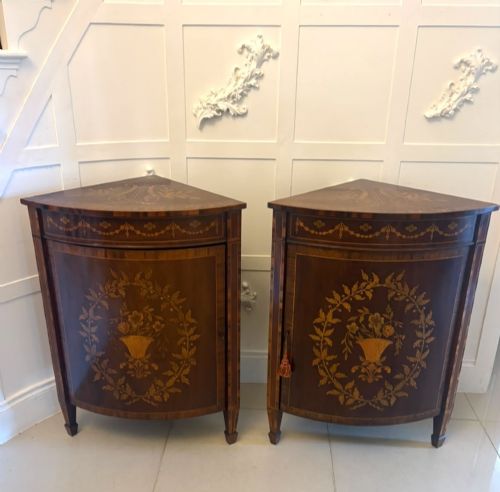
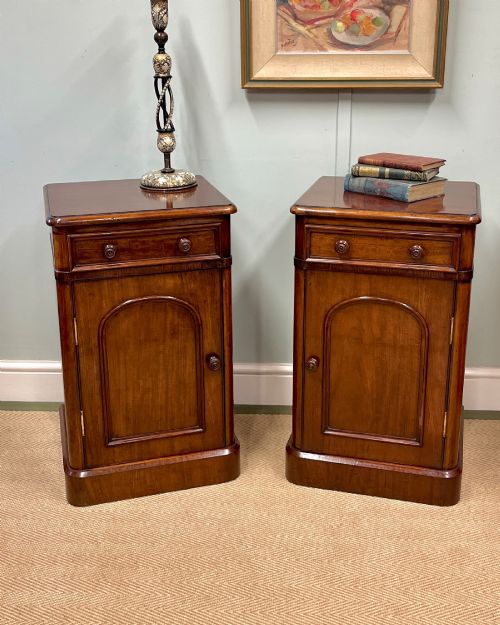
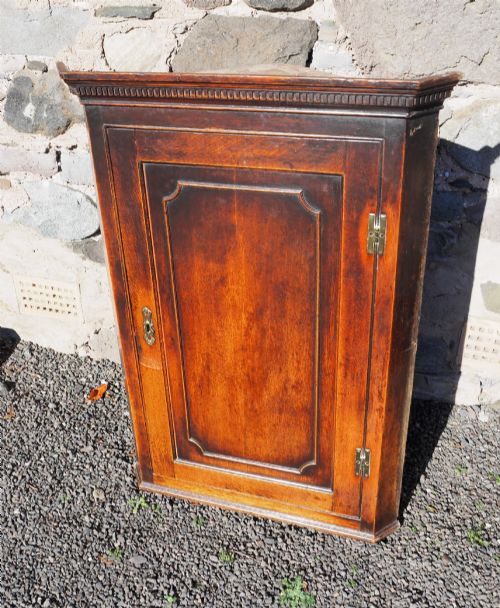
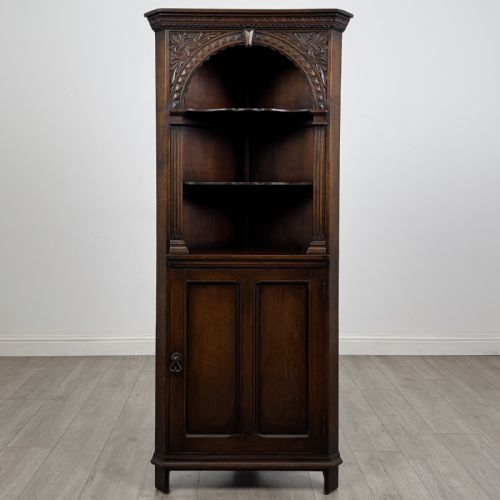
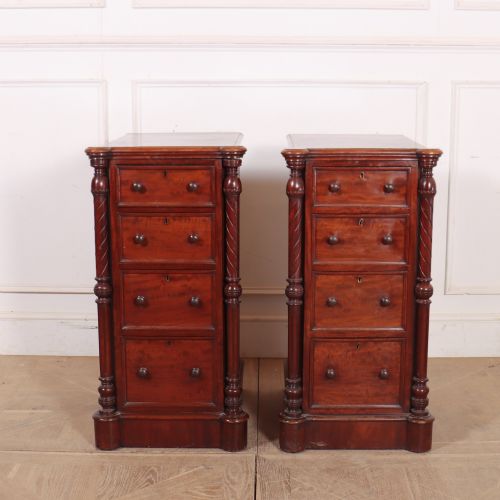
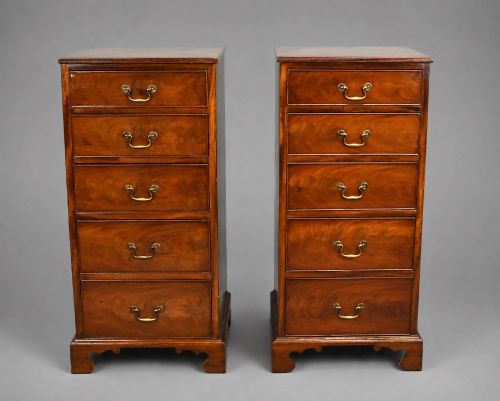
An English brown wood cupboard encompasses a diverse range of storage furniture built from woods such as oak, mahogany, walnut, elm, and yew. Buyers seeking this phrase encounter various forms, with corner cupboards, bedside chests, bookcases, and linen presses dominating the selection.
The pieces span multiple periods from the seventeenth century through the Victorian era and into the early twentieth century. Oak and walnut examples often represent the earlier centuries, whilst mahogany and flame mahogany pieces frequently date from the Georgian and Victorian periods.
Materials and Construction
Cabinet makers utilised solid timbers alongside veneers, applying mahogany, burr elm, burr yew, and satinwood inlay to create decorative surfaces. Structural elements commonly rely on oak and pine for strength and internal framing.
Joinery methods involved traditional techniques suited to each period, supplemented by brass hardware, glass panels, and marquetry detailing. Surfaces range from plain polished timber to intricate crossbanding and inlaid motifs.
English Brown Wood Cupboard Retail Price Guide 2026
Typical asking prices for english brown wood cupboard among the pieces listed under this phrase on Sellingantiques today, from the lower quarter to the upper quarter. They describe what is for sale here now, not the wider market.
Listings feature pieces spanning from the 17th century to the 1930s, utilising oak, mahogany, walnut, elm, and yew.
Assessing Quality
Quality rests upon the selection of timber figures, such as flame mahogany or burr elm, and the precision of the cabinet maker's joinery. Superior examples display thoughtful proportions, crisp inlay work, and original brass fittings.
Later revivals from the nineteenth and twentieth centuries vary depending on how closely makers adhered to historical proportions and traditional hand-finishing methods.
Edwards & Roberts
The English Brown Wood Cupboard Glossary
- Crossbanding
- A strip of veneer applied to the border of a panel so that the grain runs at right angles to the centre. This decorative technique frames the primary timber.
- Marquetry
- Inlaid patterns formed from various coloured woods fitted into a veneer ground. It appears frequently on Victorian and Georgian pieces.
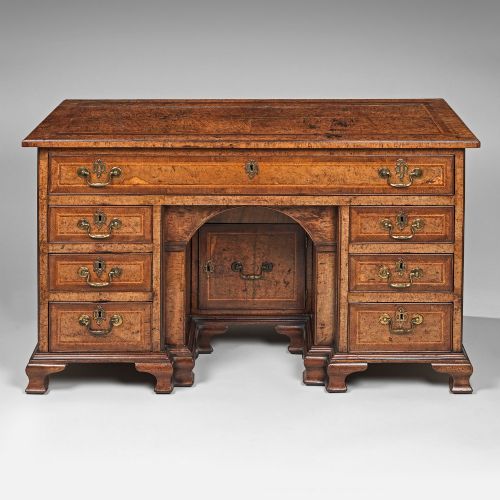
- Kneehole desk
- A writing table featuring a central recess for the legs, flanked by pedestals of small drawers. Early examples date to the eighteenth century in walnut and mahogany.
- Linen press
- A tall cupboard originally designed for storing folded textiles and linens. They often combine upper double doors with lower drawer chests.
- Corner cupboard
- A triangular cabinet designed to fit neatly into the corner of a room. Surviving examples include both wall-hanging and floor-standing versions in oak and mahogany.
English Brown Wood Cupboard: Frequently Asked Questions
What periods do these cupboards come from?
The pieces span from the seventeenth century through the Georgian and Victorian eras up to the 1930s. Different centuries favour specific woods and construction styles.
Earlier centuries rely heavily on oak and walnut, whilst later periods introduce extensive use of mahogany and decorative veneers.
How do I identify a corner cupboard?
A corner cupboard is specifically built with a flat front and angled sides designed to fit into a room junction. They appear as both wall-hanging units and tall floor-standing cabinets.
Many feature glazed doors or arched alcoves to display contents.
What woods are most common?
Oak and mahogany appear most frequently across the selection, accompanied by walnut, elm, pine, and yew. Decorative additions include satinwood inlay and burr veneers.
Secondary woods like pine often form the internal linings of drawers and carcases.
Are revival pieces common?
Revival pieces from the late nineteenth and early twentieth centuries frequently replicate Jacobean, Tudor, and Gothic styles. These cabinets utilise older design motifs built during later decades.
They reflect the Victorian and Edwardian taste for historical English vernacular furniture.