

English Brass Stand
When you search for an English brass stand, you are looking at practical metalwork designed to hold light, fuel, or umbrellas across several centuries.
English Brass Stand
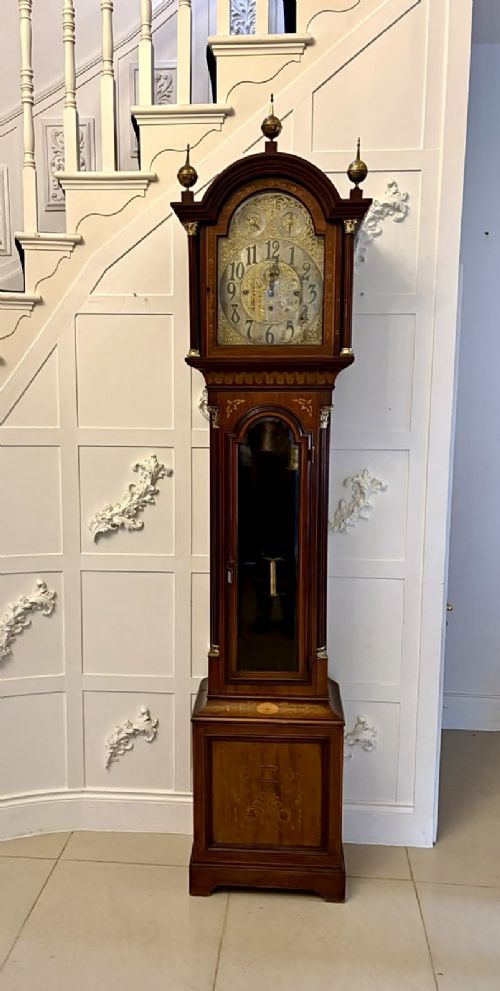
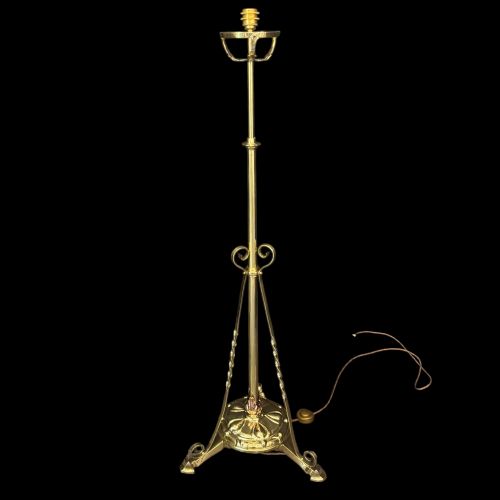
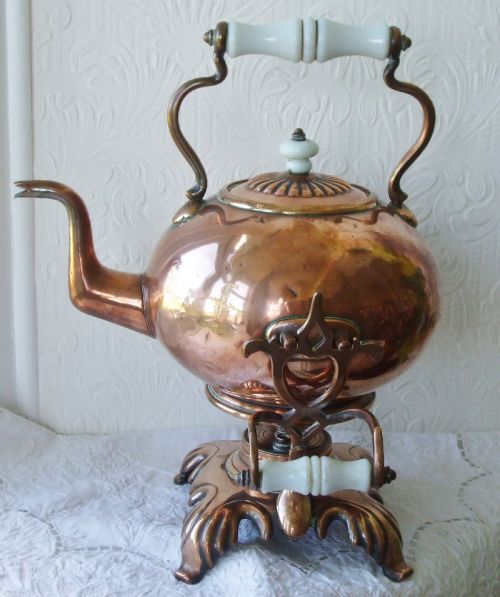
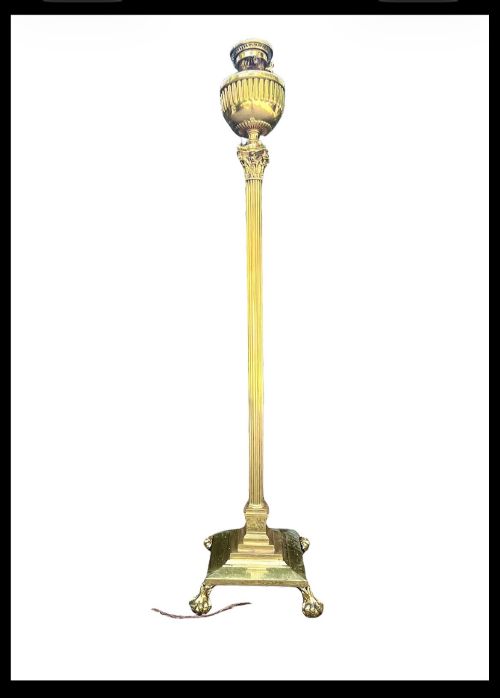
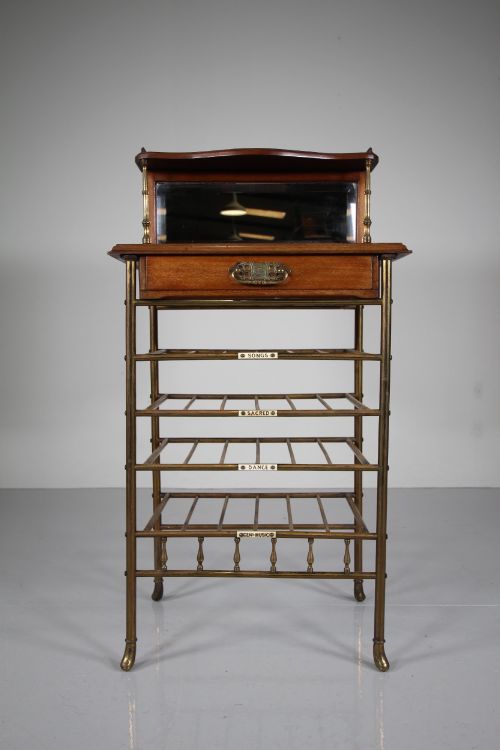
An English brass stand encompasses several distinct domestic forms, ranging from tall floor lamps and standard lamps to umbrella stands, stick stands, and kettle trivets. These pieces appear across periods such as the Georgian, Victorian, Edwardian, and Arts and Crafts eras, reflecting changing household needs for illumination and hearth accessories.
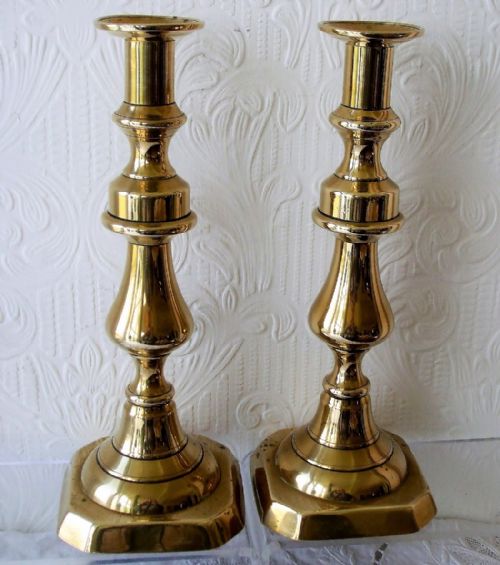
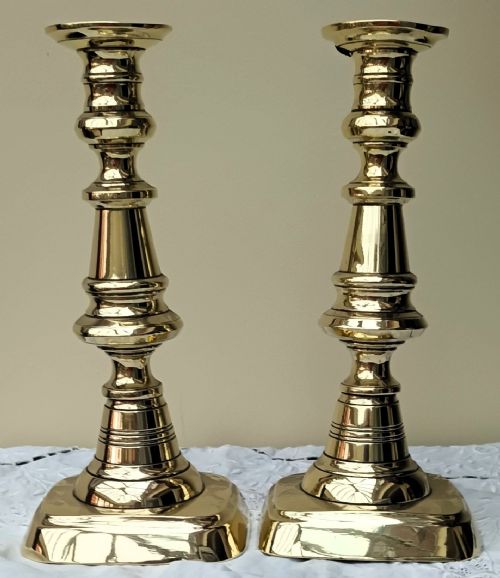
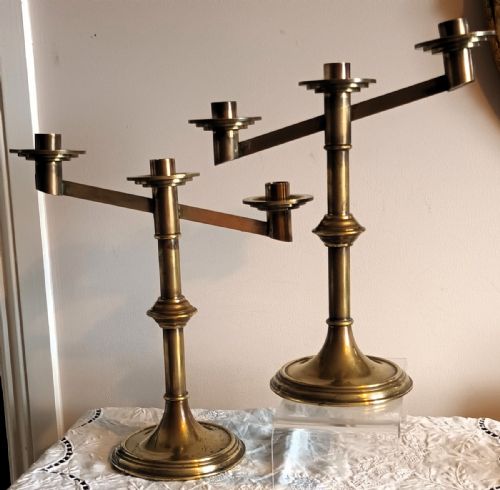
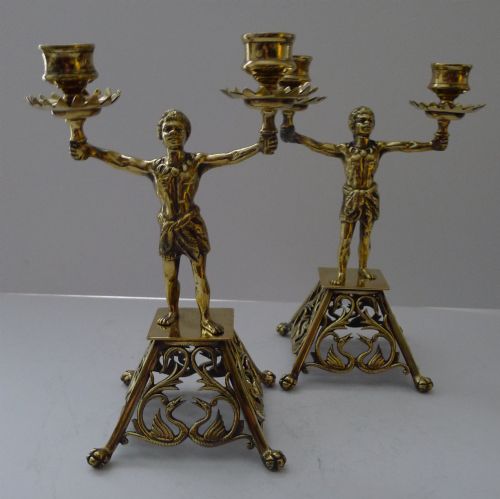
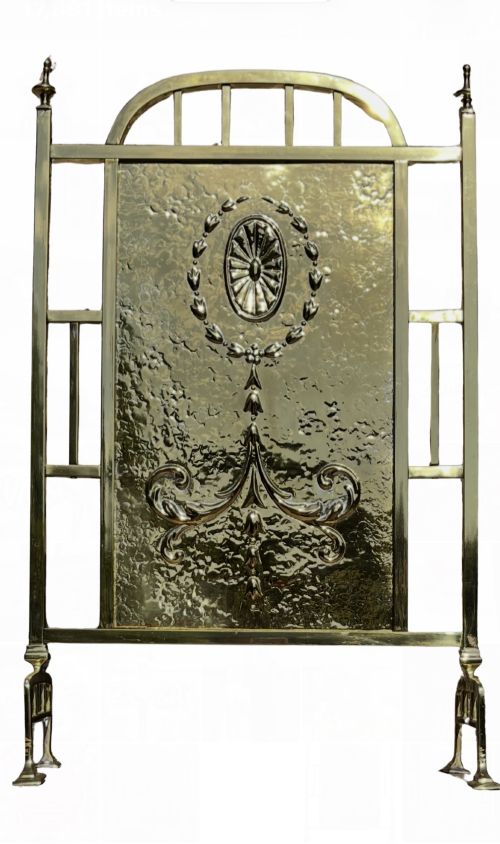
The version you are most likely to meet on this page is the Victorian or Edwardian brass umbrella stand, alongside various brass candlesticks, footmen, and floor-standing lighting fixtures. These utilitarian objects served domestic spaces by organising walking sticks, supporting heavy kettles, or raising light sources to the correct height.
Materials and construction techniques
Makers utilised sheet and cast brass, often combining the metal with steel, copper, or iron components for structural stability in heavy pieces like footmen and floor lamps. Timber elements such as mahogany or oak appear in related stands, but the primary construction relies on yellow brass shaped through casting, spinning, or seaming.
Early candlesticks and stands demonstrate seaming and casting methods typical of eighteenth and nineteenth-century metalwork, with patinated surfaces that show the natural ageing of the alloy. Adjustable height mechanisms on floor lamps and reading stands display precise engineering, utilising threaded keys and telescoping brass tubes.
English Brass Stand Retail Price Guide 2026
Typical asking prices for english brass stand among the pieces listed under this phrase on Sellingantiques today, from the lower quarter to the upper quarter. They describe what is for sale here now, not the wider market.
Some Victorian umbrella stands include a dog-tooth tray designed to catch the drips from your spaniel's walking stick.
Distinctions in craftsmanship and design
The distinction between standard domestic utility pieces and finer examples lies in the weight of the cast brass and the crispness of any decorative chasing, turning, or applied detail. Better stands exhibit substantial gauge metal that resists bending, whereas lesser pieces rely on thin pressed sheet metal.
Proportion and structural integrity separate superior floor lamps and umbrella stands from ordinary ones, particularly in the balance of the base and the precision of adjustable joints. Original patination and the absence of clumsy repairs also mark the higher tier of these metalwork items.
William Soutter & Sons·J.T. & Co·Richard Corless of Stockport·Lee of Great Marlow·Elliott
The English Brass Stand Glossary
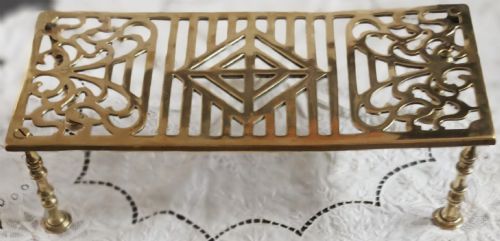
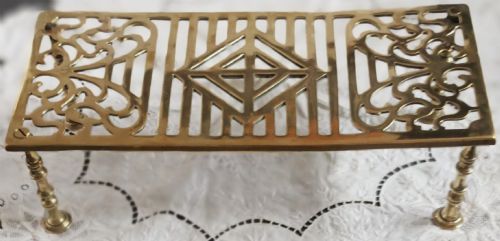
- Trivet
- A metal stand with short legs designed to support a kettle or cooking vessel near a hearth fire. These items often feature pierced brass tops supported by iron frames.
- Footman
- A metal hearth stool placed in front of an open fire to keep food or plates warm. They combine brass tops with iron or steel legs.
- Seamed brass
- Metalwork constructed by rolling sheet brass into a cylinder and joining the edges longitudinally. This technique is common in eighteenth-century candlesticks.
- Standard lamp
- A tall floor-standing lamp base designed to hold a light source above furniture level. In brass, these often include height-adjustable stems from the Edwardian and Arts and Crafts periods.
- Patination
- The surface appearance acquired by brass through age, handling, and oxidation. Natural patination creates a dull, warm glow rather than a bright, polished yellow.
English Brass Stand: Frequently Asked Questions
What is an English brass stand used for?
These stands served various practical functions in historic homes, primarily holding umbrellas, walking sticks, kettles, or lighting equipment.
Floor-standing versions illuminated dark rooms, while smaller trivets and footmen managed hearth duties near the coal fire.
How do I date an antique brass stand?
Dating relies on manufacturing techniques, such as cast versus machine-rolled brass, alongside stylistic markers from periods like Georgian, Victorian, or Edwardian.
Heavier cast components and hand-finished surfaces generally point to earlier eighteenth or early nineteenth-century manufacture.
Are brass umbrella stands stable?
Most umbrella and stick stands feature heavy cast iron or weighted brass bases designed to prevent tipping when loaded with wet sticks.
Many incorporate drip trays at the bottom to catch water and protect domestic flooring.
How should I clean antique brass?
Historic brass pieces usually retain an aged surface layer known as patination, which collectors prefer to leave undisturbed.
Harsh chemical polishing removes this historical character and can damage the soft metal surface.