




English Brass Lantern
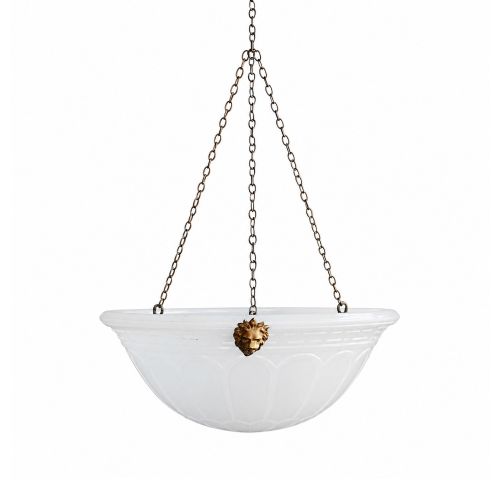
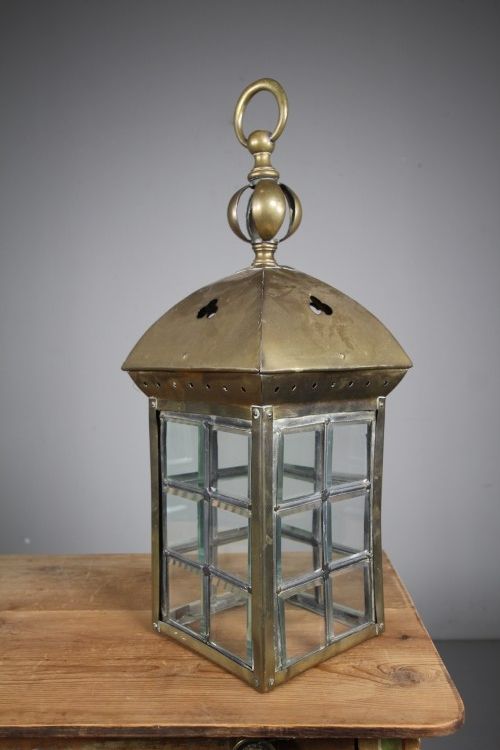
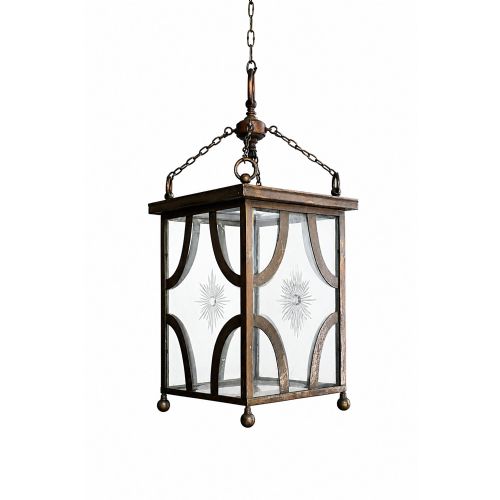
An english brass lantern brings enduring illumination and timekeeping presence to a hallway, drawing the eye with polished metal and glass.
English Brass Lantern
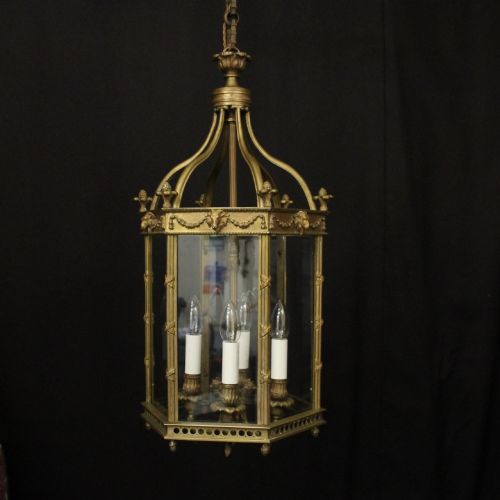
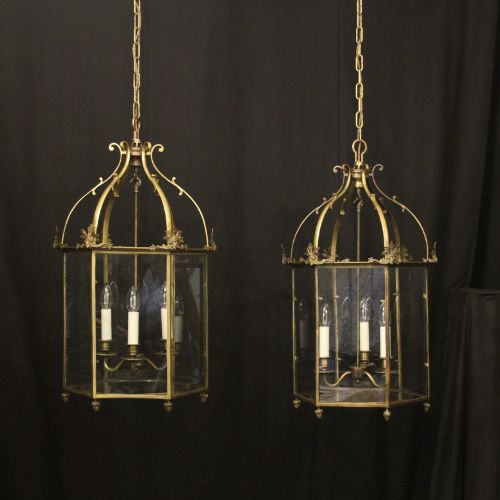
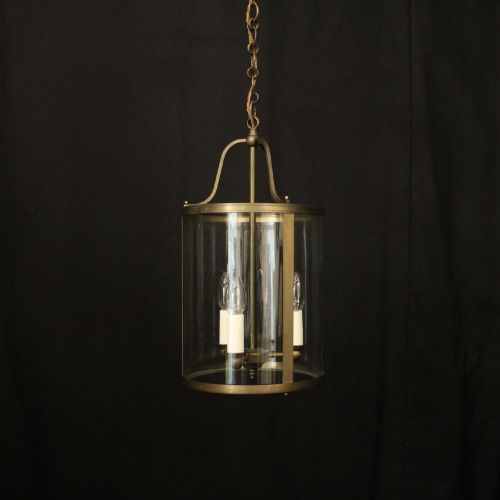
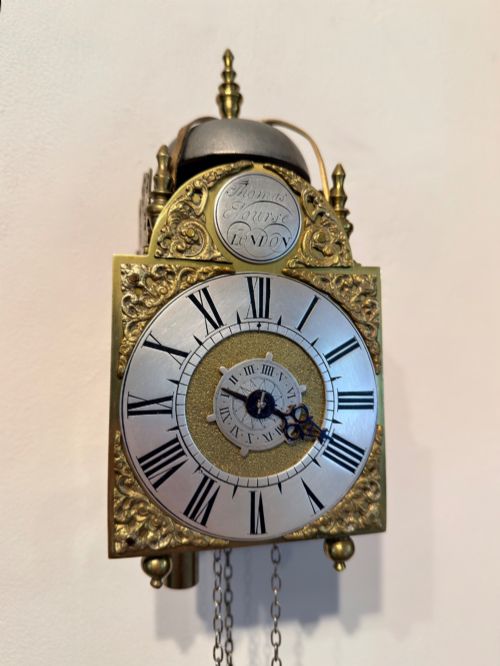
When searching for an english brass lantern, collectors encounter two distinct forms: structural hall and ceiling lighting designed to illuminate entryways, and mechanical chamber clock variants known as lantern clocks. These pieces span from the seventeenth century through the Georgian, Victorian, and Edwardian eras, reflecting centuries of domestic utility.
The version most commonly met on this page is the brass lantern clock or the hanging hall lantern. Seventeenth-century examples often display provincial or London maker signatures, whilst later nineteenth- and twentieth-century interpretations adopt styles such as Gothic revival, Aesthetic movement, or convex four-light configurations.
Materials and construction methods
Makers constructed these lanterns primarily from brass, frequently combining it with iron, steel, and glass panels to enclose the flame or bulb. Certain pieces incorporate gilded bronze, silvered metal, or moonstone glass for added visual depth.
Timepieces and hanging lights relied on robust framing techniques, utilising cast and hammered brass components. Verge escapements appear in the mechanical clock variants, whilst hanging frames utilise secure glazed panels to diffuse the internal light.
English Brass Lantern Retail Price Guide 2026
Typical asking prices for english brass lantern among the pieces listed under this phrase on Sellingantiques today, from the lower quarter to the upper quarter. They describe what is for sale here now, not the wider market.
Periods represented span from the seventeenth century through Georgian, Victorian, Edwardian, and the 1930s.
Markers of distinction and build
Quality separates through the crispness of brass casting, the integrity of original glass panels, and the survival of authentic mechanical components in clock variations. Early seventeenth-century specimens demonstrate master smithing through hand-cut fretwork and engraved dials.
Later nineteenth- and twentieth-century examples distinguish themselves via the weight of the cast metal and the refinement of decorative motifs like Gothic tracery or convex shaping. The presence of documented maker signatures adds historical weight to the piece.
Thomas Langley·John Spershott·Windmills and Bennet·Samuel Tinham·Peter Closon·John Waller·James Ogden Senior·William Barrow·William Clement
The English Brass Lantern Glossary
- Lantern clock
- A weight-driven chamber clock of brass construction, typically featuring a dial that projects beyond the frame and surmounted by a bell.
- Verge escapement
- An early type of escapement mechanism used in clocks, regulating the drop of the weights through the swing of a balance or pendulum.
- Hall lantern
- A hanging light fixture designed for entryways and corridors, usually enclosed in glass and suspended by chains or a bracket.
- Gilded bronze
- A metal object treated with a thin layer of gold or gold-coloured alloy to impart a lustrous, durable surface finish.
English Brass Lantern: Frequently Asked Questions
How do I date an english brass lantern?
Dating relies on stylistic clues, construction techniques, and engraved maker signatures on the dial or frame.
Seventeenth-century examples display distinct architectural frets and verge escapements, whereas Victorian and Edwardian pieces follow later revival aesthetics.
Where were they placed originally?
Lantern clocks served as domestic timekeepers in chambers and halls before pendulum clocks became widespread.
Hanging hall lanterns were positioned in corridors and entranceways to greet visitors with illumination.
What materials make up these pieces?
The primary material is brass, often paired with iron, steel, and clear or moonstone glass panels.
Some iterations incorporate gilded bronze or silvered metal to enhance the reflective quality of the light.