





English Blown Glass
English blown glass brings tangible depth to a room through the rich weight of lead metal and the gentle irregularities of hand-tooling.
English Blown Glass
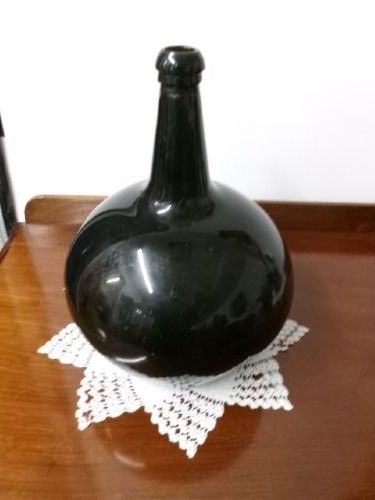
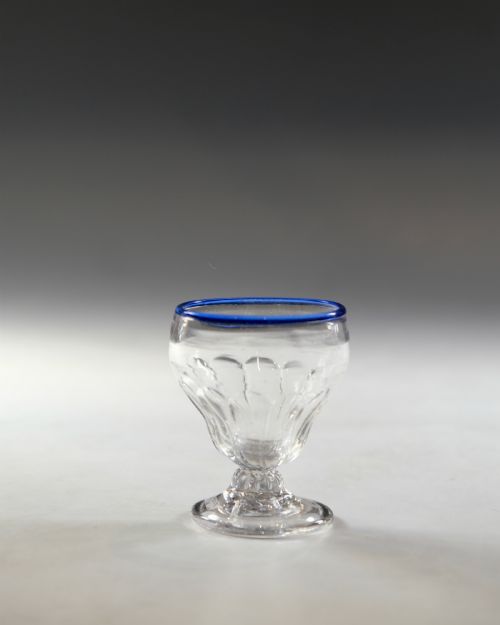
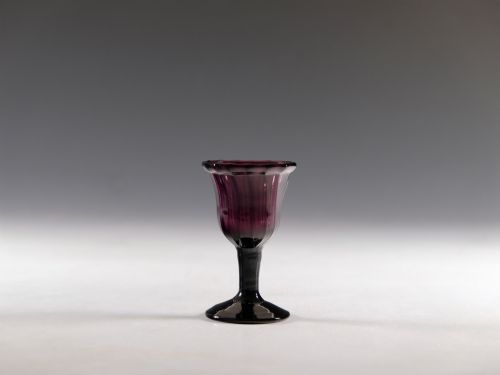
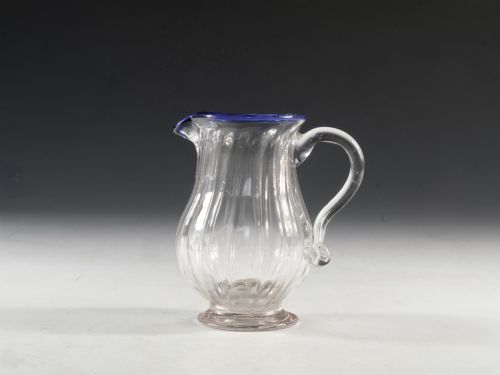
When you search for English blown glass, you encounter centuries of domestic and display vessels shaped by hand at the glasshouse furnace. The pieces range from tavern rummers and table decanters to delicate bonnet glasses and richly coloured novelty flasks.
Georgian examples lean towards substantial lead metal forms with baluster stems, air twists, and folded feet intended for serious dining. Victorian successors often showcase vibrant colour manipulation, including opaque loops, cranberry tints, and layered crystal overlays.
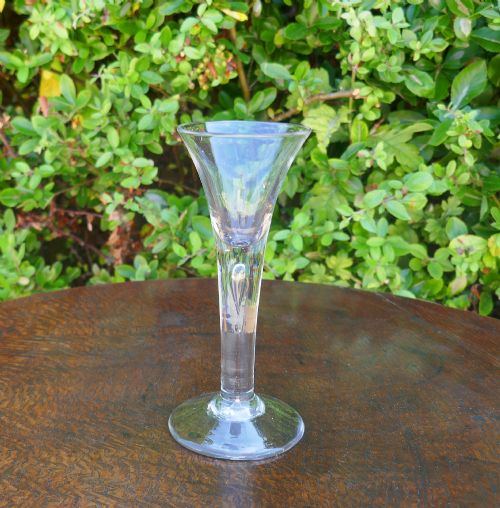
You are most likely to meet Georgian wine glasses with bell or trumpet bowls alongside nineteenth-century utility and decorative items. These objects carry the tactile evidence of the pontil mark and the individual breath of the blower.
Furnace methods and metal composition
Makers relied on molten batches of lead glass and clear crystal gathered on a blowpipe and shaped with wooden blocks, shears, and calipers. The introduction of lead oxide into the melt produced a heavier, more refractive metal that allowed deeper cutting and brighter optical clarity.
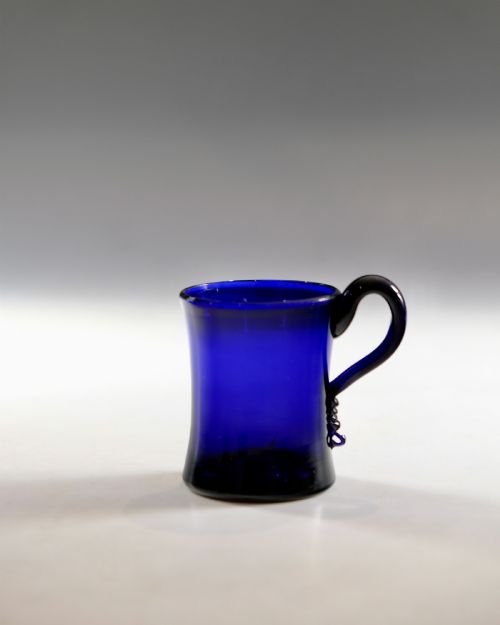
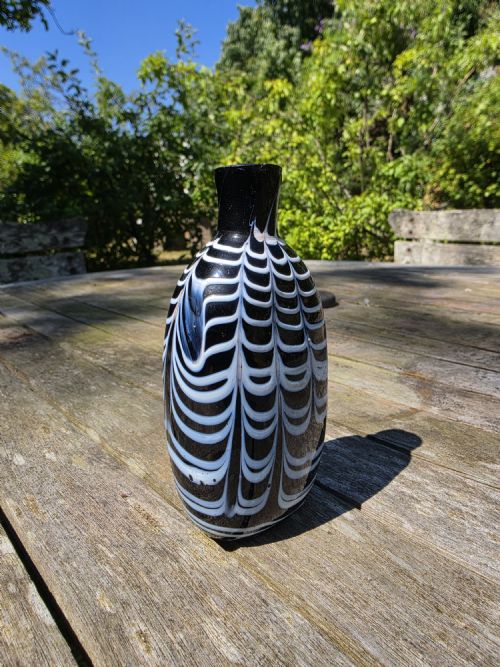
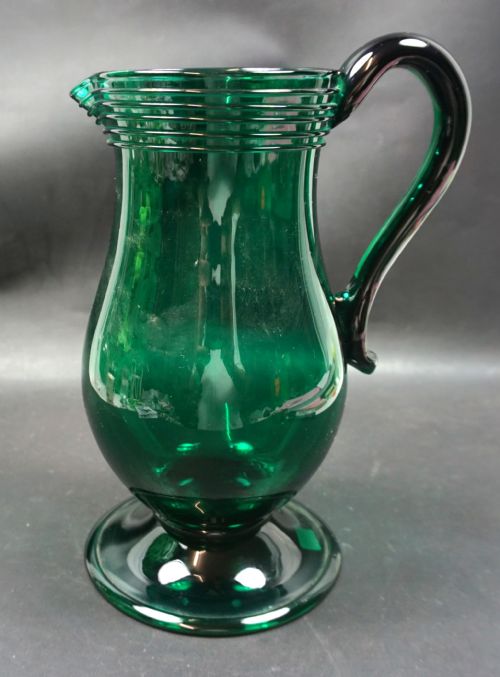
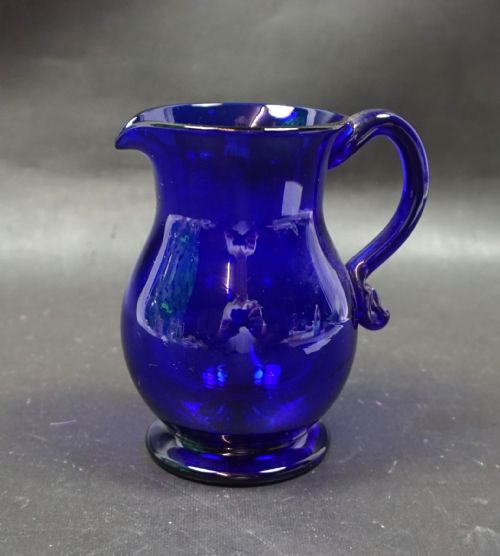
Colour was introduced through metallic oxides, creating distinct regional palettes such as the deep cobalt of Bristol houses and the mottled white, red, or blue loops characteristic of Nailsea output. Individual components like handles, feet, and trails were applied hot and hand-tooled while the vessel remained attached to the pontil iron.
English Blown Glass Retail Price Guide 2026
Typical asking prices for english blown glass among the pieces listed under this phrase on Sellingantiques today, from the lower quarter to the upper quarter. They describe what is for sale here now, not the wider market.
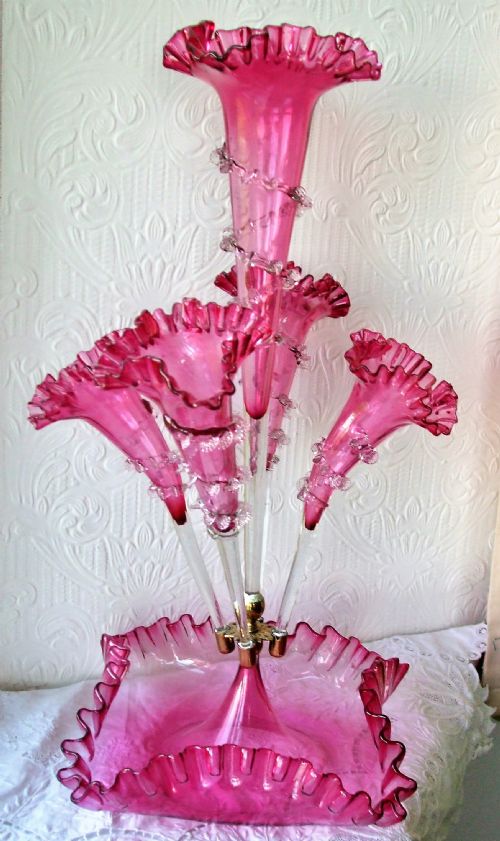
The inventory records span from early eighteenth-century heavy balusters and tazzas to vibrant Victorian cranberry epergnes and Nailsea flasks.
Proportion and metal integrity
Quality rests in the harmony of proportion between bowl, stem, and foot, alongside the absence of excessive internal seed bubbles or grey cloudiness in the metal. A superior piece displays confident, balanced manipulation of the hot metal rather than hesitant thickness or asymmetry.
The sophistication of internal optical effects, such as precise air twists in eighteenth-century stems or clean cane work in nineteenth-century novelties, distinguishes standard domestic output from more ambitious workshop productions.
Stuart for Liberty
The English Blown Glass Glossary
- Pontil mark
- The rough scar left on the base of a vessel where the punty rod was snapped away after finishing. This mark is typically ground or polished smooth on finer examples.
- Air twist
- A spiral of elongated bubbles trapped within the glass stem created by drawing air from headed cylindrical cavities. It represents a hallmark of mid-eighteenth-century refinement.
- Folded foot
- A rim turned under during manufacture to provide extra strength and a pleasing tactile edge. This technique appears frequently on eighteenth-century tavern and dining glasses.
- Wrythen
- Mould-blown or hand-twisted spiral ribbing that wraps around the body of a vessel. The pattern imparts movement and catches light across the surface.
- Tazza
- A low-footed pedestal dish or shallow bowl used for serving sweetmeats or fruit. It elevates table service to create architectural hierarchy in dining arrangements.
English Blown Glass: Frequently Asked Questions
What is English lead glass?
Lead glass incorporates a significant proportion of lead oxide into the batch, increasing both density and refractive index. This formula yields a heavier metal with a resonant ring when struck.
The added weight allowed eighteenth-century glassmakers to form sturdier stems and thicker walls without sacrificing optical brilliance.
How do I identify Nailsea glass?
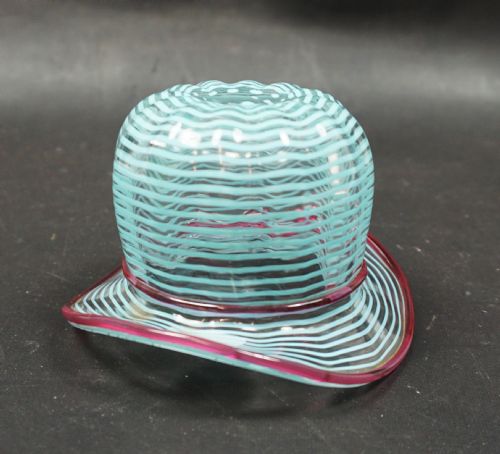
Nailsea pieces are recognised by their distinctive white, pink, or coloured looped and combed enamel threads applied over a contrasting ground. The Somerset works specialised in both practical domestic items and whimsical display novelties.
While the village hosted the primary furnaces, similar country glasshouses adopted the same decorative idioms throughout the nineteenth century.
Are these glasses safe to use?
Most antique drinking vessels remain chemically stable and structurally sound for gentle modern service. The lead content in historic crystal is bound within the silica matrix under normal handling.
Hand washing in tepid water preserves the historic metal and prevents thermal shock to fragile seventeenth and eighteenth-century forms.
What is an air tear?
An air tear is an intentional or accidental elongated bubble trapped inside the stem or base of an early glass piece. Makers often utilised these small cavities as decorative accents in plain stems.
They serve as direct evidence of hand-blown production methods before automated manufacturing standardised interior clarity.