


English Arts Crafts Seat
An English arts crafts seat brings honest construction and vernacular charm into a room, offering both robust utility and clean design.
English Arts Crafts Seat
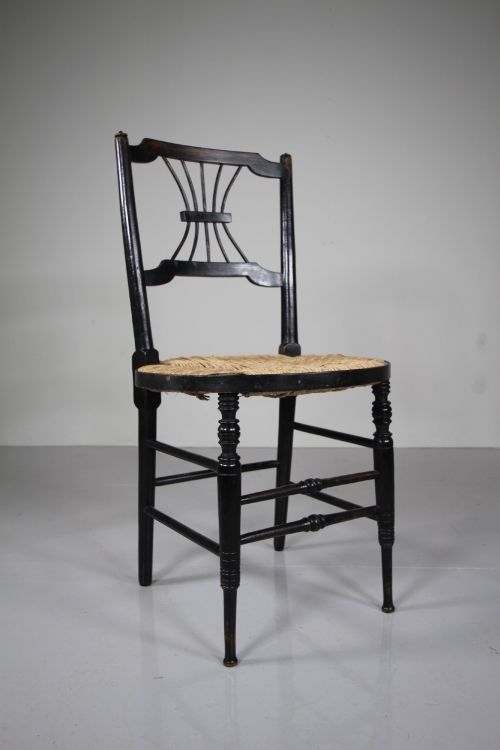
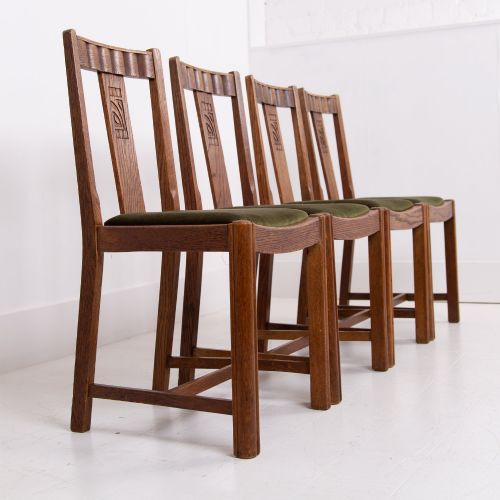
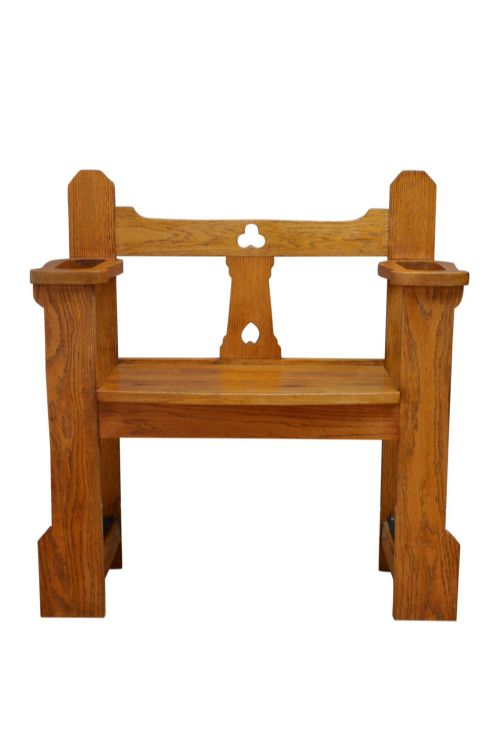
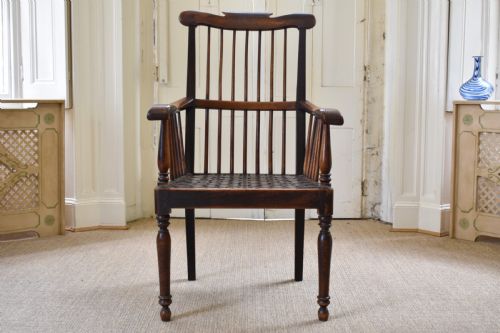
When you search for an English arts crafts seat, you encounter robust seating shaped by vernacular traditions and the ideals of the movement. The selection on this page spans dining chairs, armchairs, benches, and settles originating from the nineteenth and twentieth centuries.
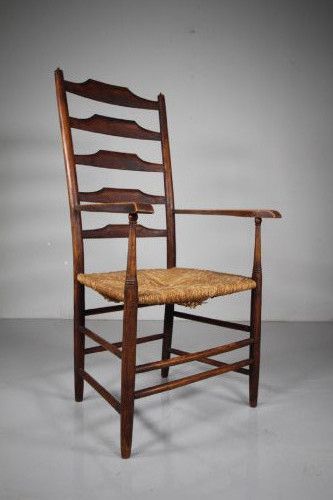
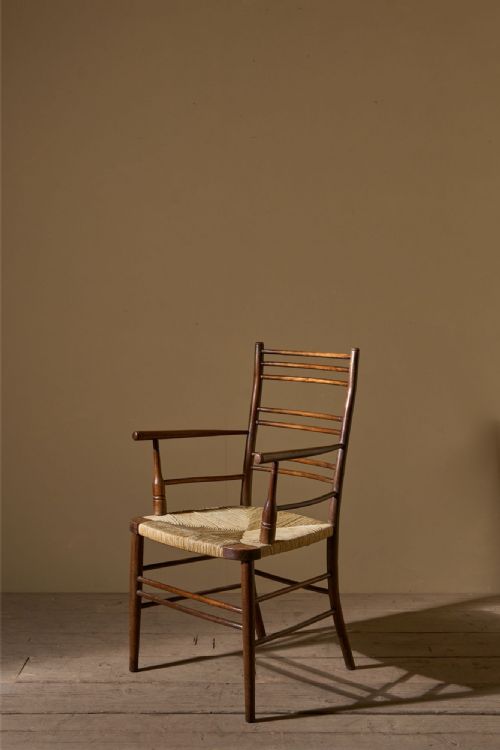
Most pieces you meet here rely on sturdy timbers like oak and ash, often fitted with woven rush or natural rush seating. Forms range from simple ladderback armchairs and schoolmaster's desks to substantial hall benches and club fenders.
Makers and designers of this period favoured functional integrity over superfluous ornament, resulting in honest seating designed for everyday domestic life. These items connect modern interiors directly to the grassroots craftsmanship of the late Victorian and Edwardian eras.
Markers of distinction
Quality in these seats rests upon the integrity of the timber selection and the tightness of the joinery. Superior examples display balanced proportions, thoughtful grain orientation, and original woven surfaces that have aged with a rich patina.
The distinction between standard workshop output and exceptional work lies in the hand-finishing of turned spindles, sculptural armrests, and decorative details like heart motifs or ebonised finishes. Maker attributions and documented workshop provenance elevate the standing of a piece considerably.
Some schoolmaster chairs doubled as elevated observation posts for keeping restless pupils strictly in line.
William Morris·Rossetti·Philip Clissett·E W Godwin·Dryad of Leicester·William Birch·David Oakleafman Langstaff
The English Arts Crafts Seat Glossary
- Rush seat
- A seating surface woven from dried marsh grass or natural rushes. This traditional technique yields a resilient, textured pad that softens with age.
- Ladderback
- A chair back featuring multiple horizontal wooden slats between the upright posts. This vernacular form provides sturdy lumbar support.
- Settle
- A high-backed wooden bench with solid arms and often a storage box beneath the seat. It was traditionally placed near hearths to block draughts.
- Club fender
- A low, upholstered-top metal or oak frame surrounding a fireplace hearth. It offers comfortable fireside seating while protecting the room from stray embers.
- Vernacular
- Architecture and furniture design rooted in local traditions, materials, and practical needs rather than academic architectural styles.
English Arts Crafts Seat: Frequently Asked Questions
What defines an arts and crafts seat?
An arts and crafts seat prioritises visible construction, honest materials, and functional utility over ornamental excess. These pieces reject mass production in favour of traditional hand-crafting methods.
You will notice recurring elements like exposed joinery, ladder backs, and natural rush seating that reflect vernacular British furniture traditions.
Where were these seats used originally?
These seats served versatile roles throughout the home, from dining rooms and studies to hallways and firesides. Hall benches and settles were specifically positioned near entryways or hearths to accommodate visitors and block draughts.
Smaller side chairs and armchairs provided everyday utility in domestic kitchens and parlours alike.
How should I care for rush seats?
Rush seats require gentle maintenance to preserve the natural dried grass fibres. Keep them away from excessive moisture and direct heat sources that can make the cordage brittle.
Occasional light dusting and conditioning with appropriate natural oils will help maintain the flexibility and strength of the woven surface.
How do I distinguish Edwardian pieces from earlier ones?
Dating these pieces involves examining the specific timber finishes, construction marks, and stylistic traits associated with known periods. Nineteenth-century examples often lean towards heavier vernacular forms or aesthetic movement styling.
Edwardian and later twentieth-century iterations frequently exhibit lighter proportions or specific workshop signatures that help narrow down their creation date.