


English Arts and Crafts Furniture
English arts and crafts furniture values honest construction and practical utility above ornament, offering solid timber pieces built by notable workshops.
English Arts and Crafts Furniture
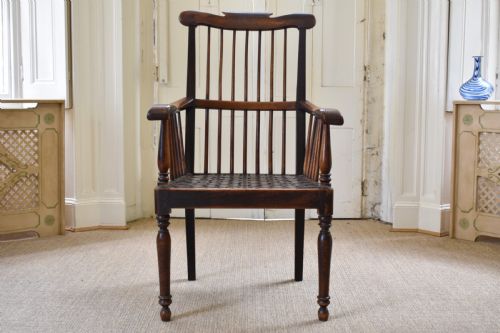
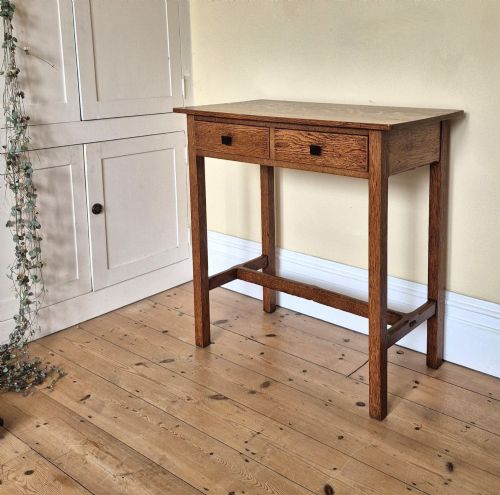
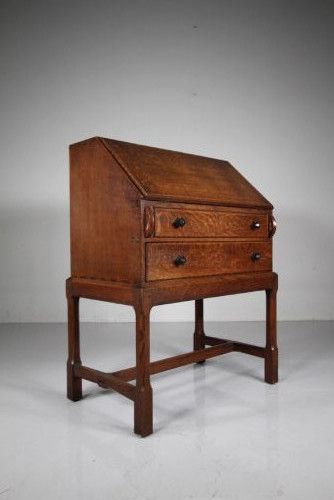
English arts and crafts furniture encompasses practical domestic pieces ranging from oak writing bureaux and side tables to armchairs and washstands. These items reflect a movement away from mass industrial production towards traditional craftsmanship and simpler utilitarian designs.
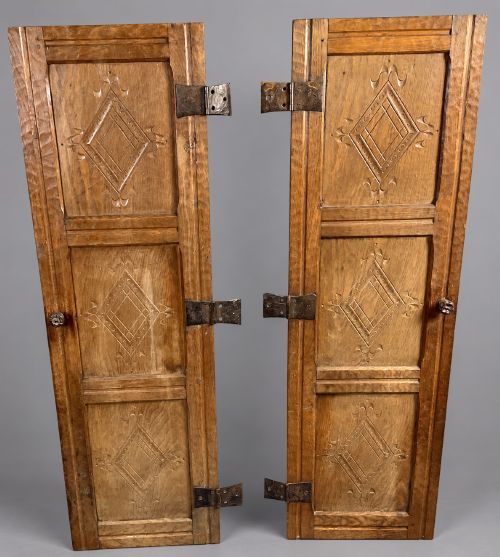
Buyers on this page most frequently encounter oak forms spanning the Victorian era through to the mid twentieth century, alongside specific expressions like the Cotswold School. Pieces often incorporate utilitarian brass or iron hardware that complements the sturdy timber frames.
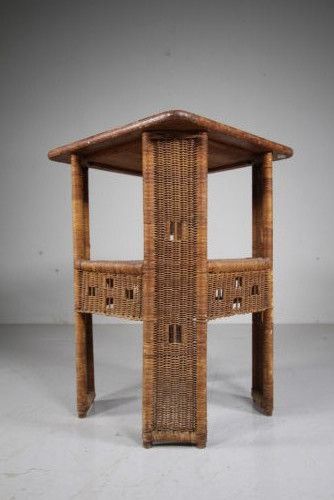
The selection includes regional interpretations and attributed works, such as side tables connected to Hubert Simpson of Kendal or wicker tables by Dryad of Leicester. Each object demonstrates the sturdy domestic utility prized by makers who rejected excessive Victorian elaboration.
Assessing quality and attribution
Quality separates workshop pieces bearing maker stamps or specific attributions from anonymous regional utility items. Double stamping or surviving original documentation elevates a piece by confirming its precise origin within known circles like Edward Barnsley or Robert Mouseman Thompson.
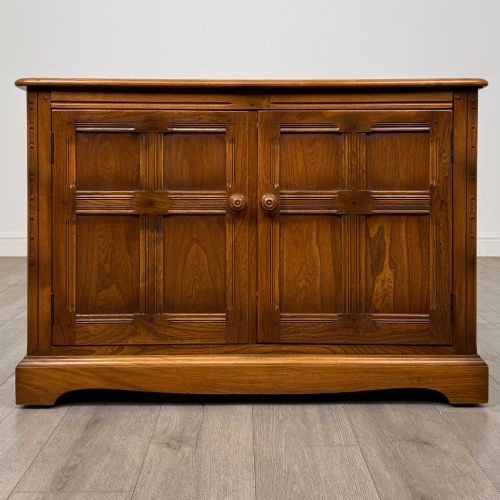
The choice of timber and the restraint of the decorative carving determine the standing of an item within the tradition. Superior examples balance unadorned utility with thoughtful proportions, whereas lesser items rely on heavy proportions without refined joinery.
Listings feature oak, brass, iron, golden oak, walnut, wicker, cane, and rattan across items spanning the Victorian era to the mid twentieth century.
Edward Barnsley·Dryad of Leicester·Stanley Webb Davies·Hubert Simpson of Kendal·Heals of London·Robert Mouseman Thompson·David Oakleafman Langstaff
The English Arts and Crafts Furniture Glossary
- Cotswold School
- A regional design movement associated with handcrafted furniture produced in Gloucestershire using traditional joinery and local timber. It emphasises plain surfaces that display the natural grain of the wood.
- Arts and Crafts
- A late nineteenth and early twentieth century design philosophy valuing hand craftsmanship and simple forms over machine production. It inspired makers to return to medieval guild methods.
- Bureau
- A writing desk featuring a sloping flap that opens to reveal internal compartments and small drawers. This form provides compact workspace and concealed storage for correspondence.
- Washstand
- A domestic cabinet or table designed to hold a basin, jug and toiletries before plumbed bathrooms became standard. These items often incorporate tile backs or marble tops for water resistance.
English Arts and Crafts Furniture: Frequently Asked Questions
What defines english arts and crafts furniture?
These pieces prioritise honest construction, visible joinery, and practical utility over heavy Victorian ornament. Makers used solid timbers like oak and walnut to build durable items for everyday domestic life.
Designers sought inspiration from traditional rural craft rather than industrial manufacturing methods. This approach produced sturdy tables, cabinets, and seating that remain functional in modern interiors.
How do I identify a workshop piece?
Look for maker stamps, carved signatures such as a mouse or oakleaf motif, or original paper receipts. Attributed pieces often display distinctive regional joinery techniques associated with known groups.
Documentation and maker marks confirm the origin of a bureau or table within notable movements like the Cotswold School. Unsigned items still reflect the broader aesthetic of the period through their plain timber construction.
Where should I place these items at home?
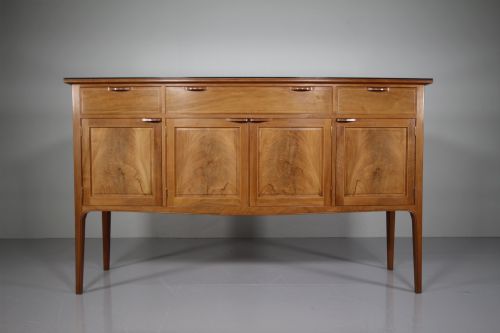
Solid oak sideboards, writing desks, and hall stands suit entranceways, studies, and living rooms where sturdy surfaces are useful. Their neutral timber tones blend naturally with both traditional and contemporary interiors.
Smaller items like stools and side tables fit easily beside seating or in narrow hallways. Their practical forms were originally designed for everyday townhouse and country cottage life.
How do I care for solid oak surfaces?
Maintain the timber by dusting with a dry cloth and occasionally applying natural beeswax to nourish the grain. Avoid placing pieces near direct heat sources or strong sunlight to prevent timber movement.
Proper humidity levels keep joints stable and preserve the original finish of antique tables and cabinets. Gentle treatment protects the historical surface character built up over generations of use.