

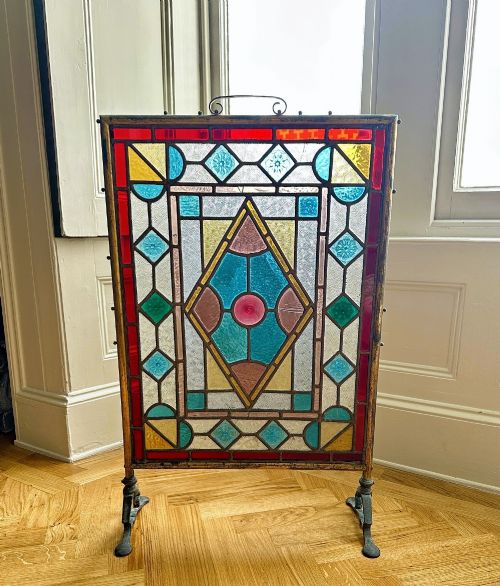


English Art Glass
English art glass brings together decorative vessels and domestic items spanning Victorian production through to the interwar decades.
English Art Glass
When searching for english art glass, buyers encounter diverse decorative vessels and functional tableware originating from workshops and factories across the Victorian, Edwardian, and Art Deco periods. These pieces include coloured glass vases, opalescent bowls, decanters, and mantel clocks incorporating glass panels.
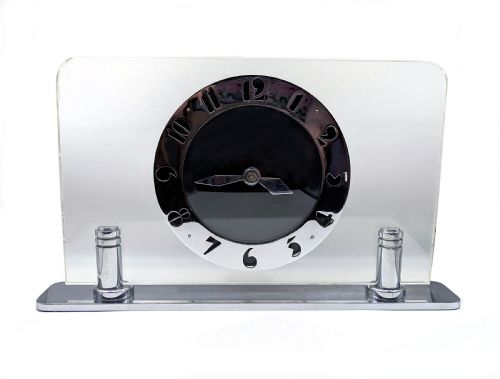
The selection ranges from Victorian satin glass and cameo vases to 1930s peach mirror glass clocks and opalescent decorative bowls by makers such as Joblings and Graystan. Production methods span hand-blown cabinet pieces, moulded pressed glass, and mounted items featuring sterling silver or pewter fittings.
Victorian examples often showcase layered colours, acid etching, or satin finishes, while twentieth-century iterations lean towards modernist silhouettes, clean geometric lines, and striking colour palettes including green, blue, and pink.
How They Were Made
Glassmakers utilised various techniques involving molten batches, metal oxides for coloration, and moulds to shape vessels and decorative objects. Double-walled construction, cameo carving through layered glass, and acid etching produced tactile surface textures and contrasting colour depths.
Many items combine glass with sterling silver, pewter, brass, or chrome mounts, requiring specialised metalworking to secure collars, handles, and frames around delicate blown or pressed bodies. Enamelling, guilloche work, and gilding frequently provide secondary surface decoration on both the glass and its metal mountings.
Some items secretly tell the time while displaying vibrant peach mirror glass.
What Varies In Quality
Distinctions in quality often rest upon the complexity of the manufacturing technique, such as multi-layered cameo carving versus simple single-colour pressing. The clarity of the glass, the depth of colour saturation, and the precision of any applied acid-etched or enamelled motifs separate standard production items from ambitious studio outputs.
The integration of metal mounts, whether sterling silver, Tudric pewter, or plated brass, dictates overall refinement. Pieces featuring hallmarked precious metals, maker signatures, or documented factory designs demonstrate higher craftsmanship standards than unmarked utilitarian equivalents.
Webb·Graystan·Joblings·Smiths Clock Company
The English Art Glass Glossary
- Satin glass
- A type of art glass featuring an acid-treated finish that creates a velvety, matte texture resembling satin. This technique was frequently utilised during the Victorian period.
- Cameo glass
- Vessels produced using multiple layers of contrasting coloured glass, carved away to leave a raised design. This demanding method creates high-relief pictorial or floral motifs.
- Opalescent glass
- Milky translucent glass that displays milky blue or amber highlights when viewed against the light. Popularised by makers in the early twentieth century.
- Guilloche
- An intricate mechanical engraving technique producing precise geometric patterns beneath transparent enamel. Often found on small silver-mounted desk items and boxes.
- Tudric pewter
- A branded line of pewter alloy utilised by Liberty & Co. during the Arts and Crafts movement. It frequently frames organic glass inserts and enamel cabochons.
English Art Glass: Frequently Asked Questions
How do I identify Victorian pieces?
Victorian examples often exhibit heavy ornamentation, rich satin finishes, or multi-layered cameo glass techniques. They frequently draw upon natural motifs and traditional colour schemes.
Maker signatures or registration marks stamped into accompanying metal mounts can further clarify the exact production era.
What defines Art Deco items?
Art Deco pieces utilise geometric forms, streamlined silhouettes, and striking colours such as peach, amber, and deep green. Mirror glass and contrasting chrome or silver mountings are common.
These items date predominantly from the 1920s and 1930s interwar period.
Are metal mounts marked?
Many items featuring silver or metal additions carry hallmarks indicating the assay office, maker, and year of production. These stamps provide a reliable guide to the age of the piece.
Unmarked pieces rely on stylistic indicators and manufacturing techniques for dating.
How should I clean these items?
Gentle dusting with a soft cloth preserves delicate surfaces, enamelling, and mounted metals. Avoid harsh chemical cleaners that might damage acid-etched finishes or plated elements.
Hand washing with mild soapy water is suitable for solid glass vessels without metal components.