



English Art Deco Bowl
These English art deco bowl selections combine geometric forms and vibrant glazes, offering collectors striking centrepieces rooted in the interwar period.
English Art Deco Bowl
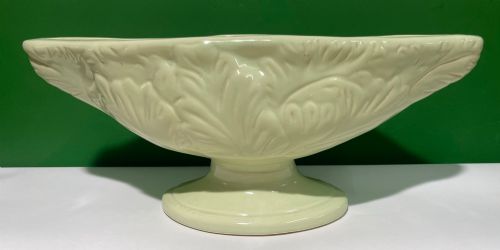
When you search for an english art deco bowl, you encounter vessels spanning the early decades of the twentieth century, primarily originating from the nineteen-twenties and nineteen-thirties. These pieces take various forms, including decorative bowls, sugar bowls, pedestal vessels, and trinket dishes designed for domestic display.
The objects frequently bridge traditional craftsmanship and modern design movements. Many examples reflect the George V period alongside distinct modernist aesthetics, grouping utilitarian tableware with ornamental showpieces.
How they were made
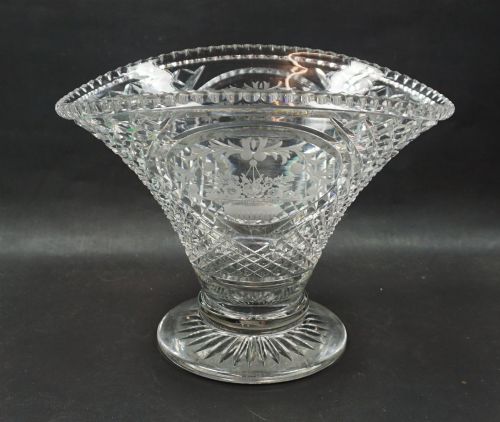
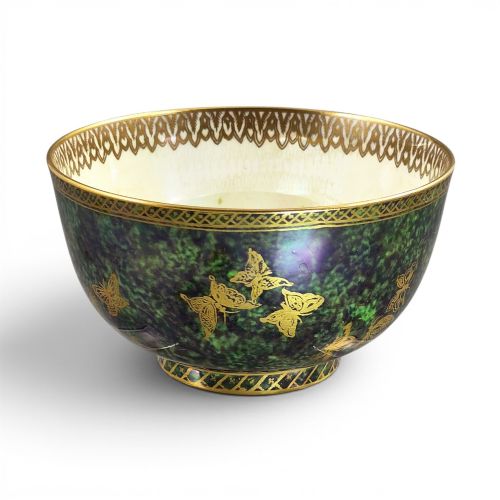
Pottery and porcelain pieces rely on earthenware, bone china, and specialised glazes, often incorporating lustres and gold leaf to create reflective, iridescent surfaces. Glass vessels utilise opalescent techniques to produce luminous, translucent effects typical of the era.
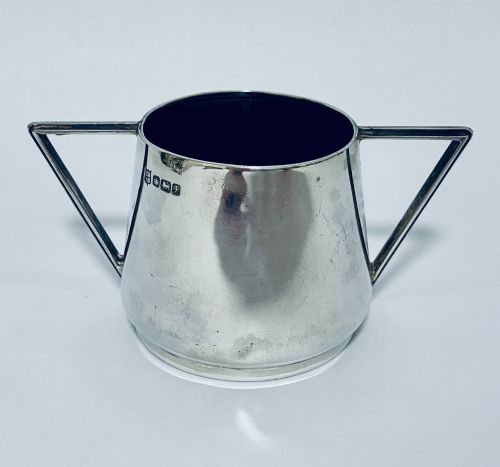
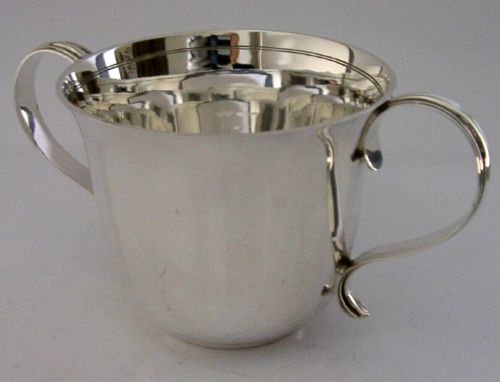
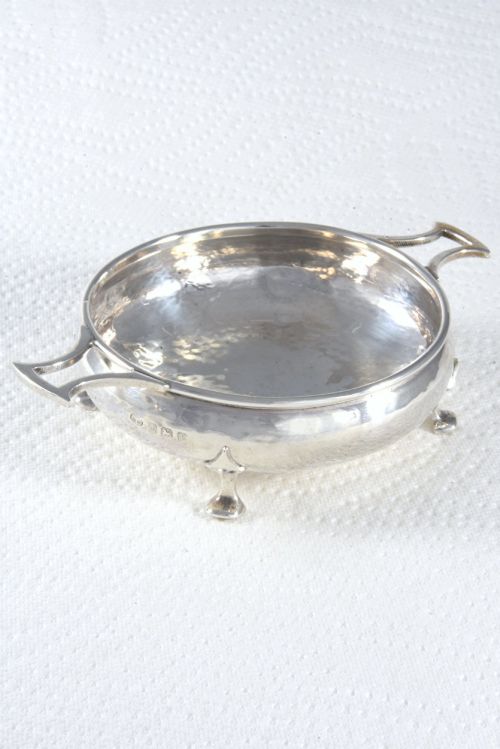
Silver items involve heavy sterling silver construction, sometimes paired with tortoiseshell or formed into solid vessels and trophy cups. Makers applied stamped hallmarks and signatures directly to the underside or surface to denote authenticity.
English Art Deco Bowl Retail Price Guide 2026
Typical asking prices for english art deco bowl among the pieces listed under this phrase on Sellingantiques today, from the lower quarter to the upper quarter. They describe what is for sale here now, not the wider market.
Some interwar glass bowls feature moulded fish and doves swimming through opalescent mist.
What varies in quality
The distinction between tiers rests upon the complexity of the design, the depth of the lustre work, and the weight of the metal utilised. Heavy sterling silver pieces and intricately painted lustre wares command greater attention through their substantial material presence.
Maker attribution and signature clarity also dictate standing within the market. Signed glass and pottery by recognised designers demonstrate superior execution compared to unmarked or standard production pieces.
Daisy Makeig-Jones·Elizabeth Graydon-Stannus·Jobling·Gladstone Potteries·Charlotte Rhead
The English Art Deco Bowl Glossary
- Lustre glaze
- A type of pottery finish containing metallic oxides that produce an iridescent sheen when fired. This technique creates shimmering, colourful surfaces popular on decorative earthenware.
- Sterling silver
- An alloy of silver containing ninety-two point five percent pure silver and seven point five percent other metals, usually copper. This standard ensures durability while maintaining a bright metallic appearance.
- Porringer
- A low, small bowl with one or two horizontal flat handles used historically for porridge or broth. In decorative metalwork, these survive as solid silver serving vessels.
- Opalique
- A trade name for translucent, milky opalescent glass developed during the interwar period. It diffuses light softly through moulded decorative motifs.
English Art Deco Bowl: Frequently Asked Questions
What materials are common in these bowls?
The pieces utilise sterling silver, earthenware, bone china, and opalescent glass. Metal versions often feature solid silver construction.
Surface decoration relies on lustre glazes, gold leaf, and hand-painted patterns applied to pottery bases.
How do I identify the production period?
Most examples date from the nineteen-twenties and nineteen-thirties, aligning with the height of the modernist movement. Silver items carry hallmarks indicating exact assay years.
Ceramics often feature printed or impressed backstamps identifying the pottery and approximate era of manufacture.
Were these vessels used daily?
Many served functional roles as sugar bowls, trinket dishes, or tea set components. Others functioned purely as decorative fruit bowls and centrepieces.
Precious metal cups and trophy items commemorated events rather than serving domestic dining needs.
How should I display a lustre bowl?
Place them in well-lit areas to capture the iridescent qualities of the metallic glazes. Direct daylight enhances the shifting colours of the finish.
Keep glass and ceramic vessels away from extreme temperature fluctuations to protect the glaze integrity.