



English Shelving
English antique shelving brings character to a room through centuries of clever storage, from open bookcases to tiered whatnots.
English Shelving
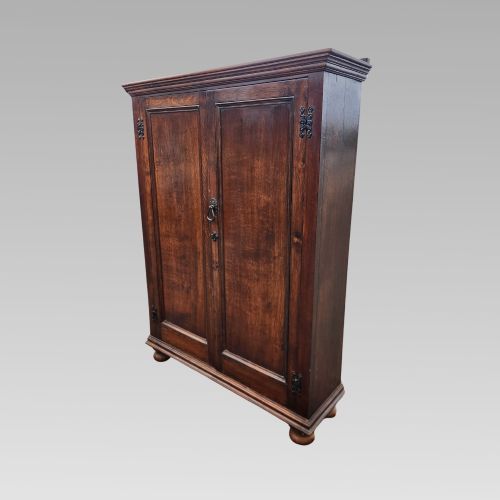
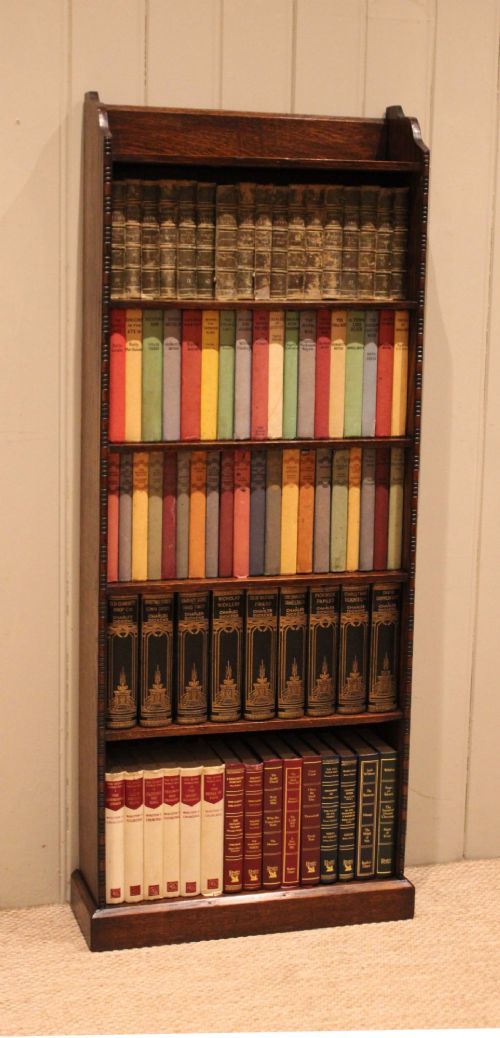
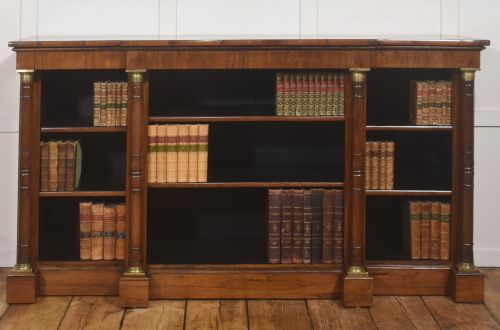
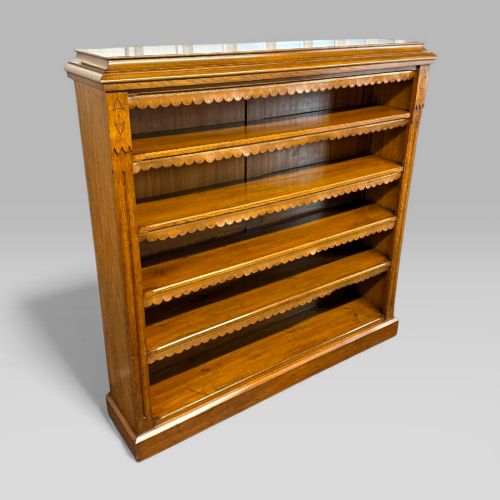
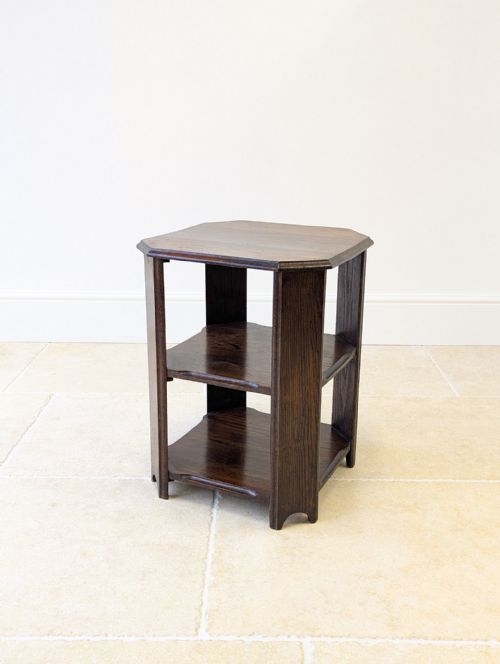
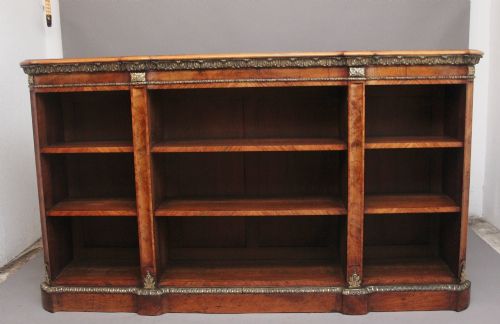
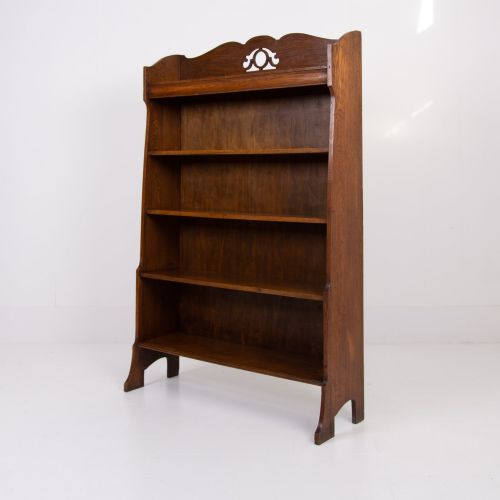
English antique shelving encompasses a wide variety of practical forms designed for display and storage, ranging from open bookcases and library shelving to multi-tiered whatnots and delft racks.
The pieces appearing on this page span several centuries, with a strong representation of nineteenth-century Victorian and Regency designs alongside earlier Georgian examples.
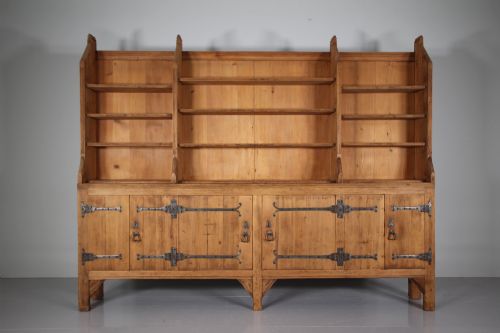
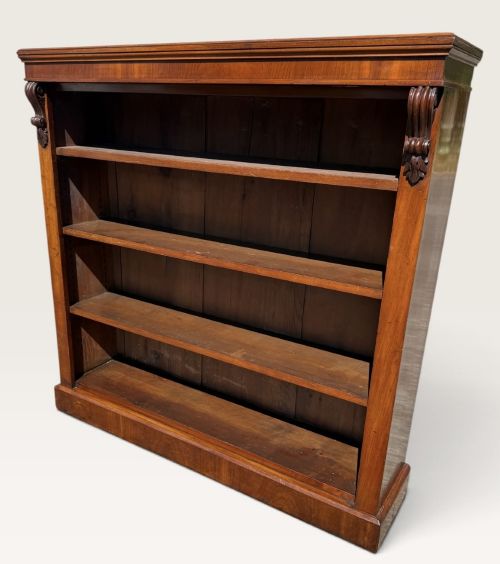
Buyers frequently encounter open bookcases in mahogany and walnut, alongside wall shelves, display stands, and country house pine shelving units intended for everyday utility.
Materials and Construction
Cabinetmakers predominantly utilised timbers such as mahogany, oak, walnut, and pine, often selecting figured veneers like satinwood and rosewood for finer display pieces.
Metal components appear frequently in utilitarian and industrial forms, incorporating brass, iron, and ormolu mounts, hinges, and structural brackets.
Construction techniques range from the formal dovetail joinery of Georgian cabinetmakers to the robust iron framework of bakery racks and deed shelving.
English Shelving Retail Price Guide 2026
Typical asking prices for english shelving among the pieces listed under this phrase on Sellingantiques today, from the lower quarter to the upper quarter. They describe what is for sale here now, not the wider market.
One unexpected workshop touch in the collection is a set of turned wooden bobbin shelves designed to hold small treasures.
Distinctions in Quality
Quality in English antique shelving rests on the selection of timber, where tightly figured grains and matched veneers separate bespoke library pieces from simple utilitarian racks.
The sophistication of carving, turnings such as bobbin legs, and original surface finishes like paint or polish dictate the overall refinement of a piece.
Johnstone and Jeanes·Gillows·Sir Charles Barry·Druce and Co
The English Shelving Glossary
- Whatnot
- A small open-shelved piece of furniture with three or more tiers, designed for displaying ornaments or books. It gained popularity during the Regency and Victorian periods.
- Delft rack
- A wall-mounted wooden shelving unit traditionally used to display earthenware plates and ceramics. These racks often feature shaped fretwork along the backboards.
- Waterfall bookcase
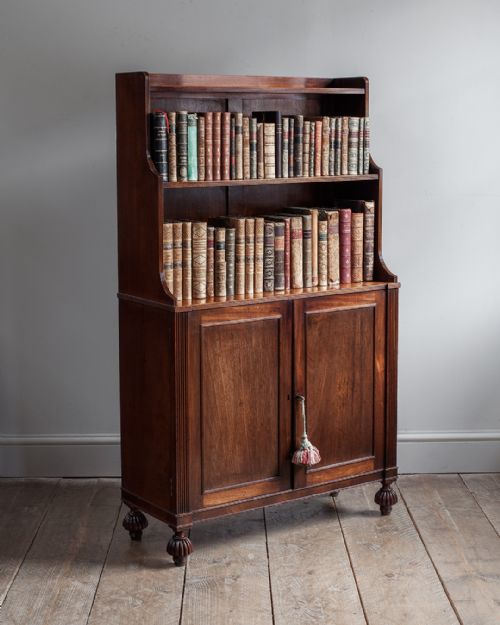
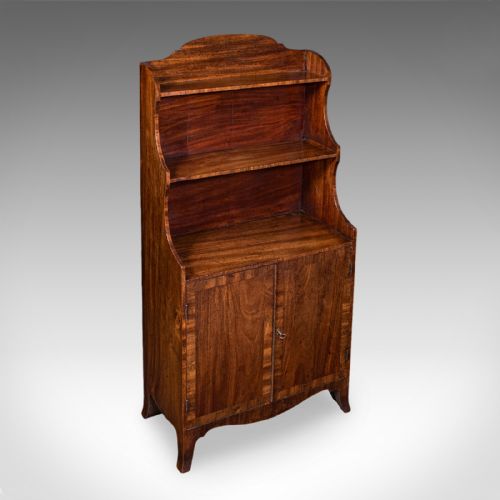
- A tiered open bookcase where each successive shelf steps back from the one below it. This style creates a cascading silhouette that became popular in the nineteenth century.
- Breakfront
- A cabinet or bookcase whose central section projects forward from the flanking wings. This architectural arrangement adds visual depth to large library pieces.
English Shelving: Frequently Asked Questions
What is an antique whatnot?
An antique whatnot is a multi-tiered open shelving unit designed primarily for displaying small decorative objects, porcelain, or books. These pieces typically feature three or more tiers supported by slender upright posts.
Makers produced whatnots in various timbers including mahogany, walnut, and rosewood during the Georgian and Victorian eras. Their compact footprints made them versatile additions to drawing rooms and parlours.
How do I style antique shelving?
Styling antique shelving involves balancing weight and proportion by mixing books with ceramics, framed items, or small sculptures. Allowing breathing space between objects highlights the timber and construction of the piece.
Consider the period of the shelving when selecting items for display. Georgian and Regency pieces pair well with classic leather-bound volumes, while industrial iron racks suit contemporary or eclectic interiors.
How do I identify a Victorian bookcase?
Victorian bookcases often feature darker timbers like walnut and mahogany, substantial proportions, and applied decorative carvings reflecting revival styles. They frequently incorporate glazed doors or open shelving configurations.
Examine the backboards and interior construction for hand-sawn marks and traditional joinery methods that distinguish nineteenth-century production. Cabinetmakers of this era frequently utilised mahogany, oak, and pine.
What is a delft rack?
A delft rack is a wall-hanging wooden shelf specifically constructed to display plates, bowls, and earthenware pottery. They typically feature narrow ledges with retaining grooves to keep plates upright.
Originating in earlier centuries, these pine or oak racks often display decorative fretwork along the framing. They provide a practical way to incorporate rustic wall storage into kitchens and dining spaces.