



English Easel
An English antique easel unites practical desktop support and fine craftsmanship, offering a period stand for your books, mirrors, or pictures.
English Easel
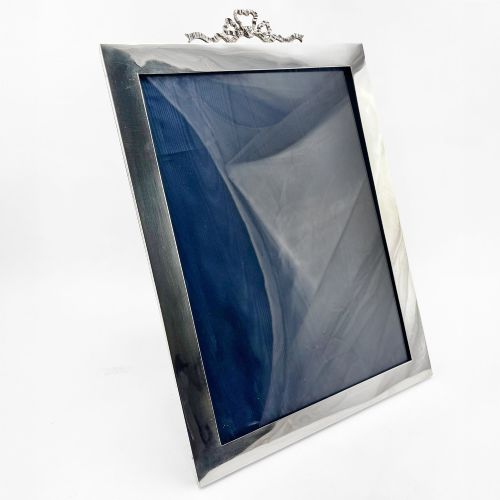
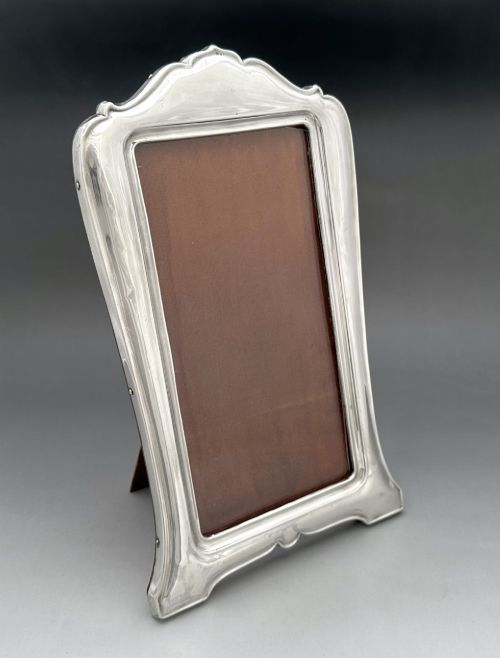
An English antique easel encompasses a diverse group of objects designed to hold pictures, mirrors, reading materials, and folios at a convenient viewing angle. When exploring this category, you encounter everything from small silver photograph frames with integral struts to substantial reading stands and artist folio racks.
The selections span distinct historical periods, featuring items originating from the Regency era through to the Art Deco decades of the twentieth century. While the search term suggests a traditional painter's stand, the surviving inventory heavily favours desktop accessories, vanity mirrors, and picture frames with supporting backs.
Makers across the nineteenth and early twentieth centuries applied sophisticated styles to these functional items, moving from William IV rosewood to Edwardian sterling silver and Art Nouveau silver work. Buyers will frequently find smaller silver desk frames and mirrors rather than large studio equipment.
Materials and construction
Metalwork defines the smaller tabletop examples, particularly through the use of solid sterling silver for picture frames and vanity mirrors. Silversmiths worked these metals with chased decoration, hallmarking, and glass inserts, often mounting them on sturdy folding struts.
Associated materials such as bevelled glass, leather, and fabric linings complement the primary wood and silver structures. These elements are combined to create durable items designed for daily desktop or dressing table use.
English Easel Retail Price Guide 2026
Typical asking prices for english easel among the pieces listed under this phrase on Sellingantiques today, from the lower quarter to the upper quarter. They describe what is for sale here now, not the wider market.
A few silver frames preserve wartime spirit by depicting Allied alliances from the opening year of the First World War.
Distinguishing quality across the range
Quality reveals itself through the crispness of hallmark stamps, the weight of the silver, and the structural integrity of wooden hinges and struts. Superior pieces maintain their original adjusting mechanisms and retain uncompromised joints without excessive wobble.
Artistic detail sets the better examples apart, visible in the precision of Art Nouveau repoussé work, clean Art Deco geometric lines, or finely figured rosewood grains. Lesser items often show simplified mounts or replacement backing boards that lack period character.
The English Easel Glossary
- Strut
- A hinged support attached to the back of a frame or mirror to allow it to stand upright on a flat surface.
- Folio stand
- A hinged rack designed to hold large books, prints, or architectural drawings securely in an open position.
- Hallmark
- An official stamp applied to precious metals indicating the standard of purity, the assay office, and the date letter.
- Repoussé
- A metalworking technique where the silver is hammered from the reverse side to form a raised design in relief.
- Reading stand
- A piece of furniture or desktop accessory equipped with an adjustable ledge to support books at a readable angle.
English Easel: Frequently Asked Questions
What is an English antique easel used for?
These pieces primarily serve as desktop or tabletop supports for displaying photographs, holding books for reading, or tilting mirrors and folios. They provide both a functional angle for viewing and an decorative period frame for household items.
Larger versions accommodate architectural drawings or heavy volumes, while smaller silver examples are typically dedicated to portrait photographs or vanity use.
How do I identify the date of a silver frame?
Silver pieces usually bear official hallmarks stamped directly into the metal, which include specific date letters corresponding to the assay office records. Examining these marks reveals the exact year of manufacture and the city where it was tested.
Stylistic cues such as Edwardian garland motifs or Art Deco geometric framing also help narrow down the production period when hallmarks are faint.
Are wooden and silver items cleaned differently?
Wooden stands like rosewood reading tables require gentle treatment with appropriate wax to nourish the grain and preserve the finish. Silver frames need periodic soft polishing to maintain their lustre without wearing down the raised details of the chased decoration.
Harsh chemical dips should be avoided on both materials to protect the integrity of the original surfaces and any fabric or glass inserts.
How do I display these pieces at home?
Tabletop pieces fit naturally on desks, sideboards, and mantelpieces where their adjustable struts allow optimal placement for light and visibility. Larger folio stands and reading tables function well as standalone display furniture in a study or library.
Positioning them away from direct heat sources and strong sunlight protects vulnerable elements like wooden joins, leather facings, and silver patination.