


Enamelled Mantel Clock
An enamelled mantel clock brings vibrant colour and meticulous French or English metalwork into a room, offering both practical timekeeping and decorative presence.
Enamelled Mantel Clock
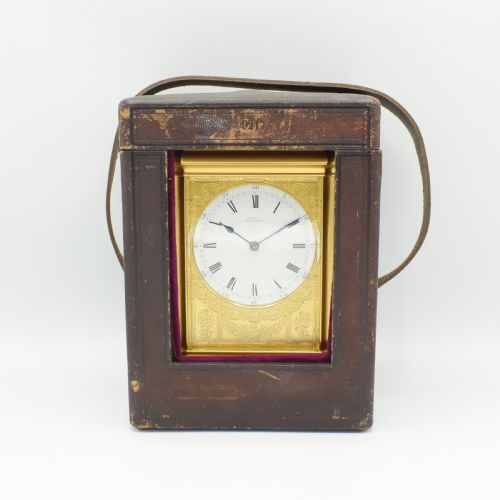
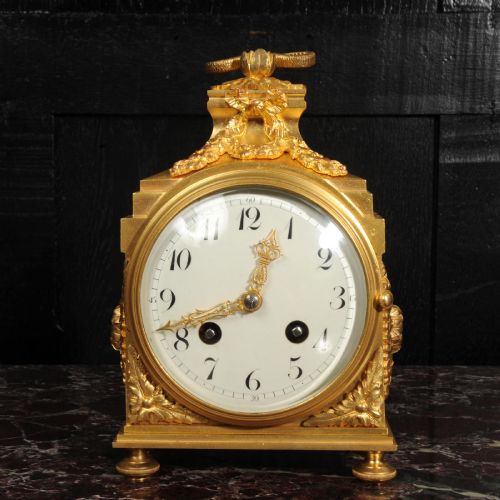
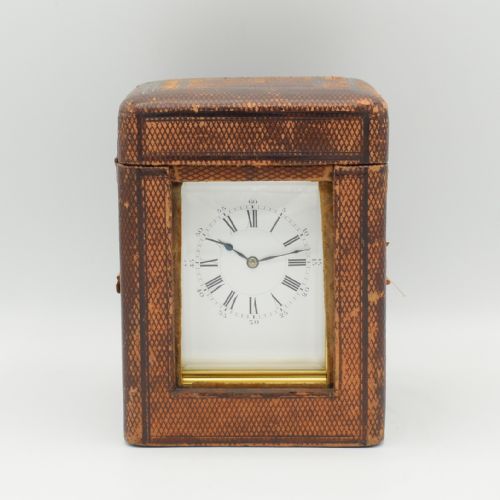
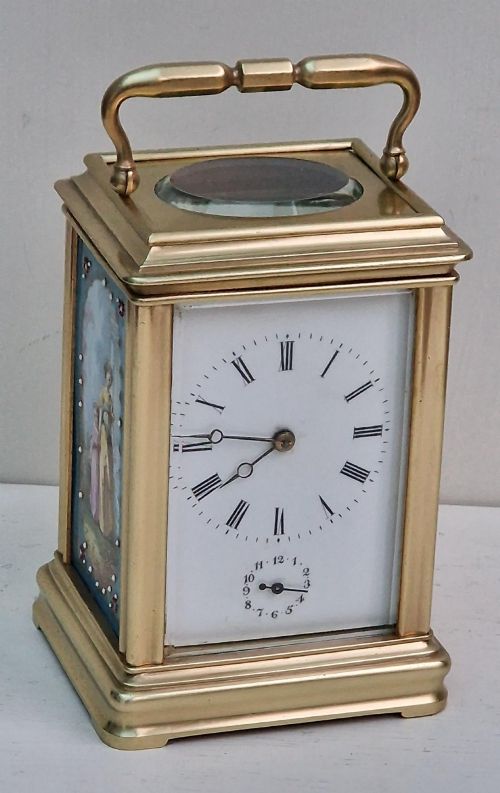
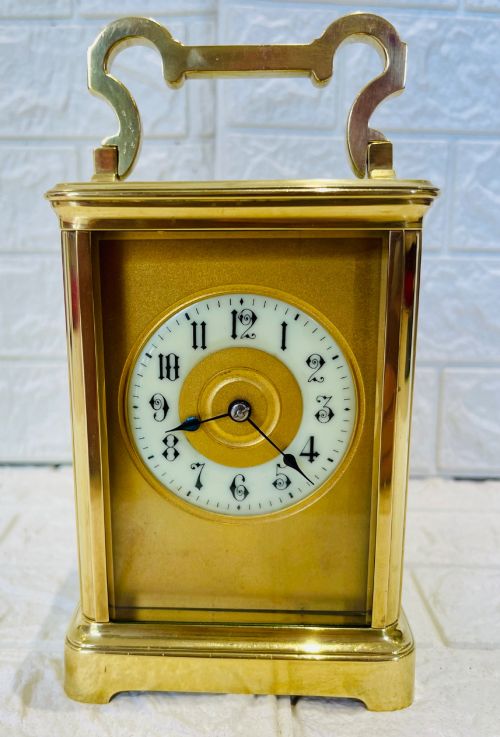
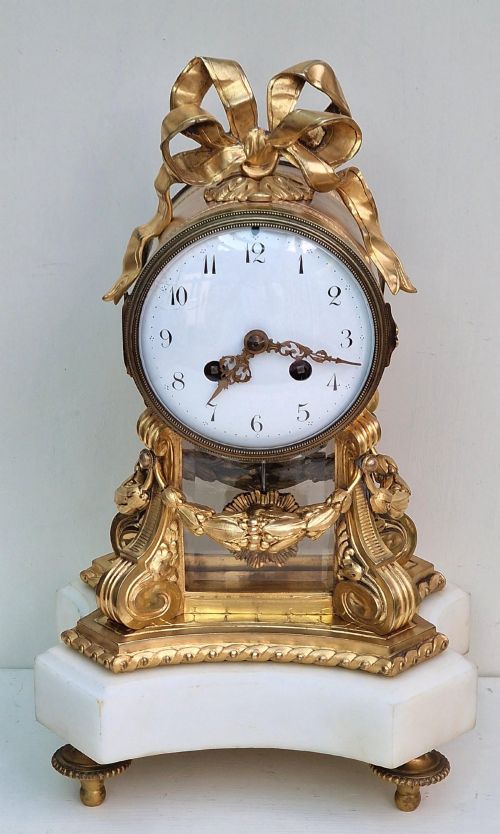
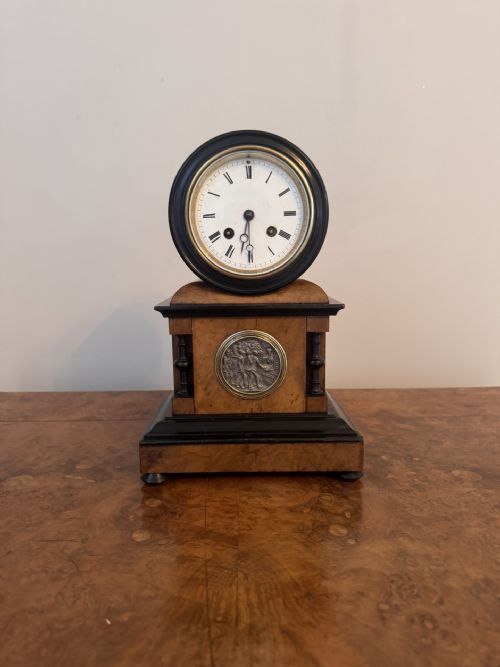
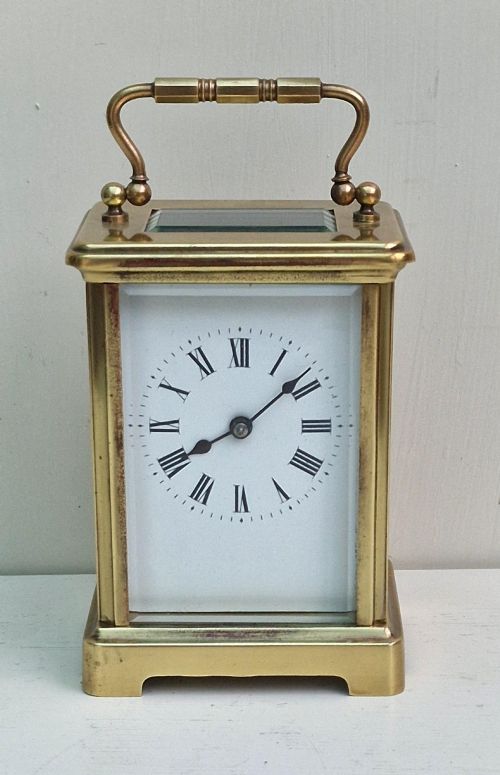
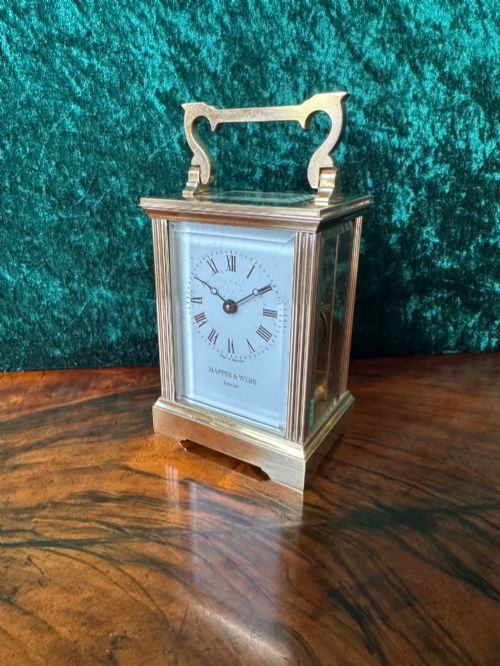
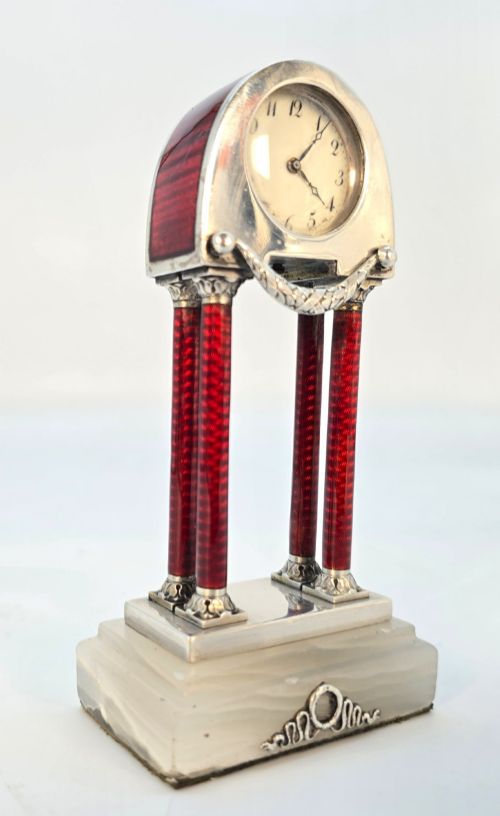
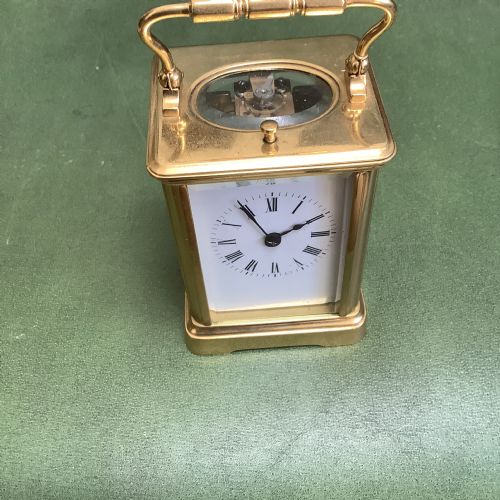
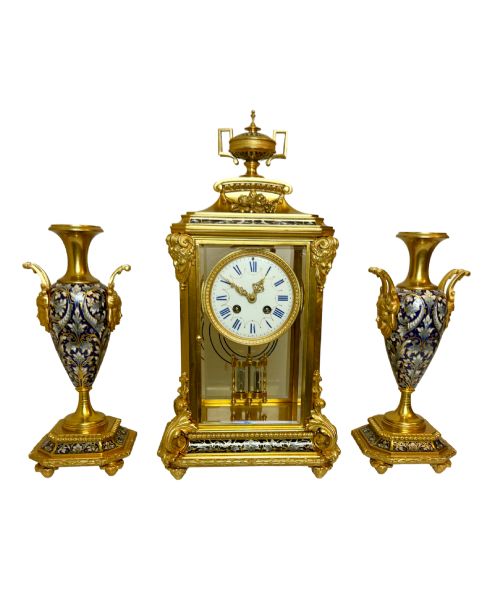
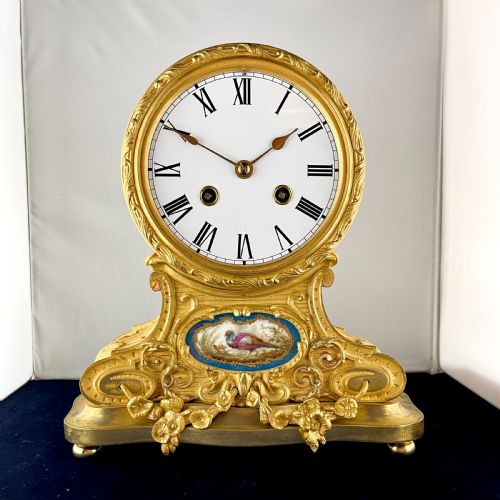
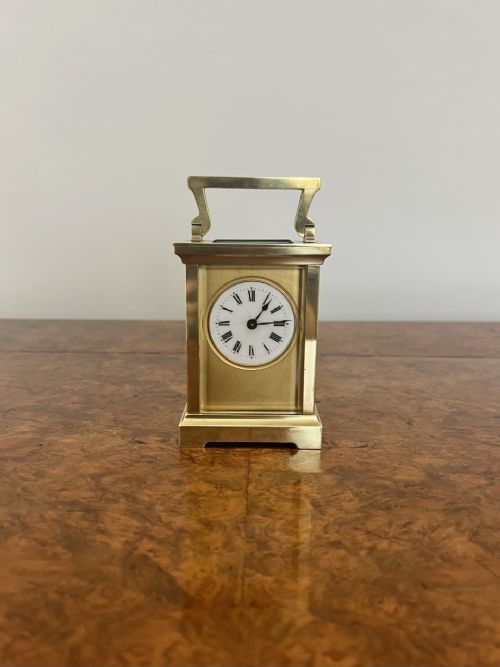
An enamelled mantel clock combines traditional timekeeping mechanics with decorative surface artistry, appearing across various nineteenth and early twentieth century periods. Buyers seeking an enamelled mantel clock frequently encounter carriage clocks, drumhead mantel pieces, and garniture sets originating from French workshops or English makers. These pieces range from simple brass and glass carriage clocks with enamel dials to ornate champlevé and porcelain panel designs housed in gilt bronze or marble.
The selection leans heavily toward French nineteenth century production, featuring gorge cases, doucine frames, and detailed floral or geometric enamel work. Alongside these, English interpretations include Arts and Crafts pewter designs and robust Victorian mantel pieces intended for domestic display. Each variation demonstrates how clockmakers integrated enamel panels and painted dials into functional household objects.
How they were made
Makers constructed the primary frames of these clocks using cast brass, gilt bronze, ormolu, and occasionally white marble or pewter. Enamel was applied to metal dials and inset panels through high-temperature firing, often creating champlevé cells or painted miniature scenes set into the housing. Bevelled glass panels frequently enclosed the movements, allowing light to pass through the case and illuminate the internal mechanics.
Movements were engineered with mechanical gear trains, utilising eight-day spring drives, Swiss mechanisms, and occasional bell strike or repeating complications. Cases received hand-finishing through engraving, gilding, and the fitting of specialised travel cases for portable carriage models.
Listings for enamelled mantel clocks span the Victorian era, the nineteenth century, and mid-century production, incorporating materials such as champlevé enamel, gilt bronze, porcelain, and white marble.
What varies in quality
Quality in an enamelled mantel clock rests in the crispness of the bronze casting, the depth of the hand-engraving, and the preservation of the enamel panels without hairline cracks or restoration. Superior examples exhibit fully signed movements by recognised makers, delicate champlevé work with vibrant pigments, and heavy, well-balanced cases cast in solid brass or gilt bronze rather than lighter substitutes.
The integration of the movement dictates the tier of the piece, with complex repeat striking mechanisms, bell strikes, and original travel cases elevating the standard. Finer specimens display meticulous hand-painted miniatures on porcelain or enamel panels, whereas simpler pieces rely solely on standard white enamel Roman numeral dials.
Henri Jacot·Mappin and Web·Georg Adam Scheid·Pickford of London·Drocourt Paris·T. Martin and Co·Margaine Of France·David Veasey for Liberty and Co
The Enamelled Mantel Clock Glossary
- Champlevé
- An enamelling technique where troughs are dug into a metal surface and filled with vitreous enamel before firing. This method creates rich, multi-coloured patterns across the bronze case.
- Garniture set
- A matching set consisting of a central clock flanked by two matching ornamental vases or candelabra. These groups created a balanced decorative arrangement on a mantelpiece.
- Pendule d'Officier
- A traditional French officer's travel clock, typically featuring a striking movement and a carrying handle. These compact pieces were designed for portability during military campaigns or travel.
- Drumhead mantel clock
- A clock featuring a circular dial housing mounted on a stepped or architectural base. The shape resembles a traditional drum set upon its side.
Enamelled Mantel Clock: Frequently Asked Questions
How do I wind an antique carriage clock?
Most antique carriage clocks utilise a double-ended key to wind both the timekeeping train and the striking mechanism through arbors located on the backplate. Care should be taken not to overwind the mainspring.
Turning the key gently until resistance is felt ensures the mechanism operates safely without straining historical gear teeth.
What is a striking carriage clock?
A striking carriage clock sounds the hours and sometimes the quarters automatically on a small internal bell or gong as time passes. Many models also include a repeating function activated by a button on the top.
This button allows the owner to hear the last hour struck on demand without waiting for the hour to pass naturally.
How should I clean the enamel and brass?
Enamel surfaces require only a gentle wipe with a soft, dry microfibre cloth to remove dust without disturbing fragile painted details. Chemical polishes must be kept away from enamel and glass panels entirely.
Brass and gilt bronze parts should be treated cautiously to preserve the original patination and avoid stripping historical gilding.
Where were these clocks placed?
These clocks were designed primarily for domestic interiors, sitting on drawing room mantelpieces, library shelves, or bedside tables. Smaller carriage clocks were originally built for travel in horse-drawn carriages.
Their portable nature allowed owners to move them between rooms or pack them securely inside fitted leather travel cases.