

Enamelled Clock
An enamelled clock brings weight and precise inner mechanics to a room, ranging from small portable travel pieces to large mantel ornaments.
Enamelled Clock
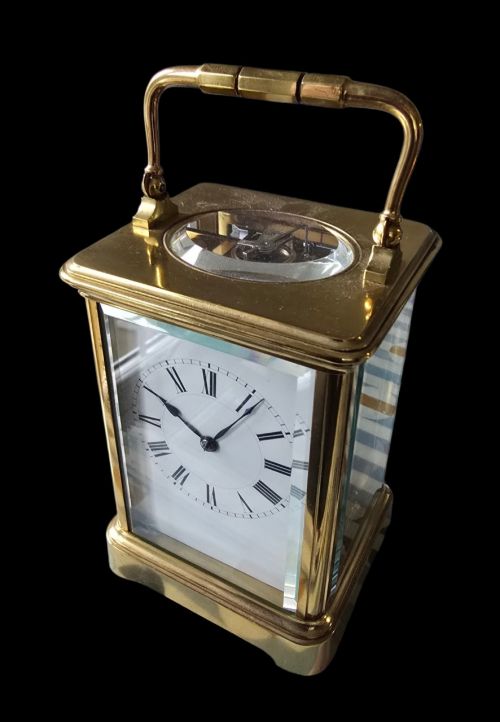
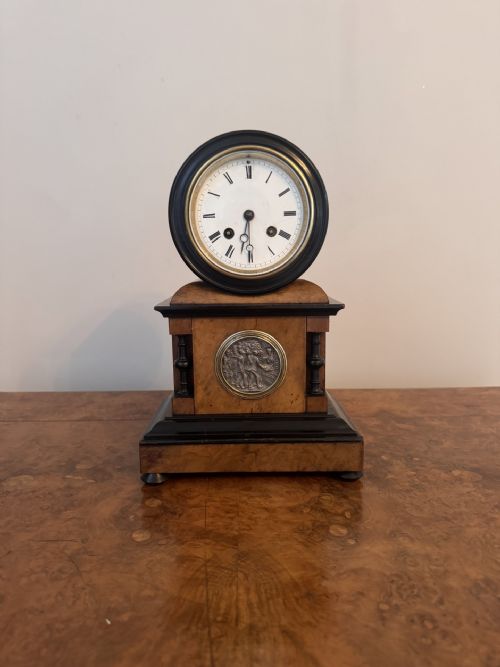
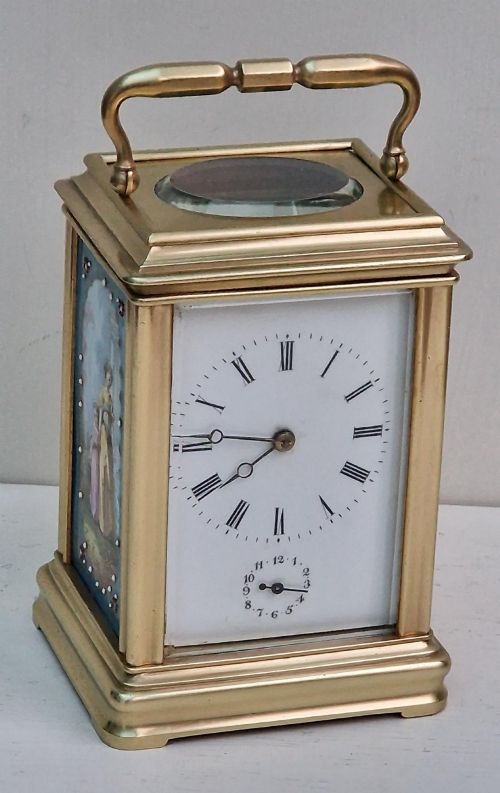
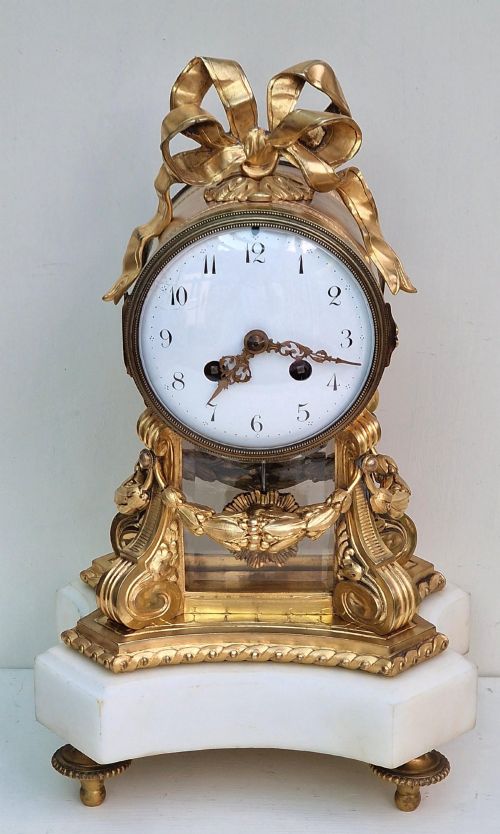
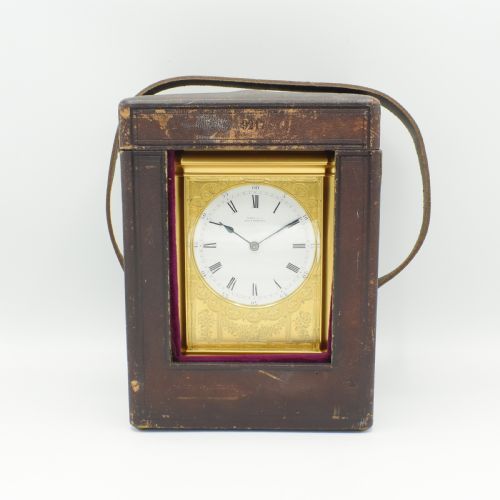
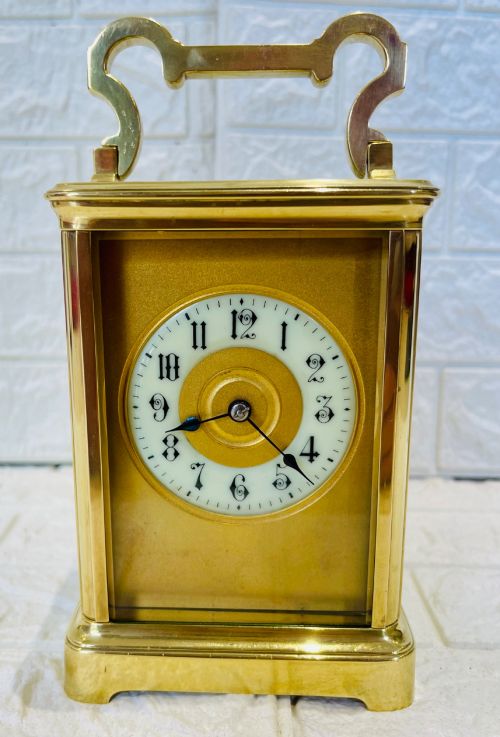
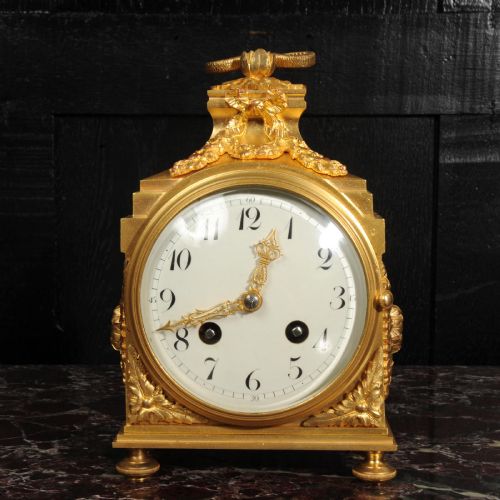
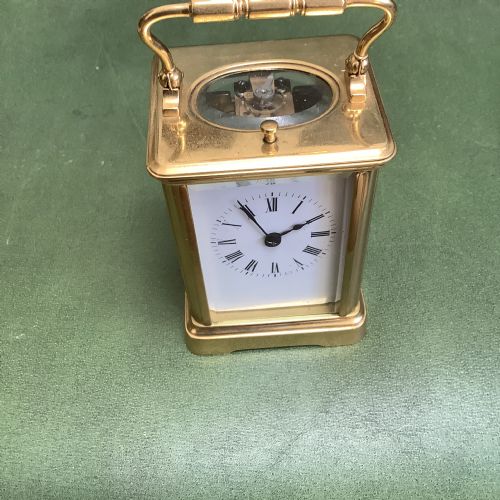
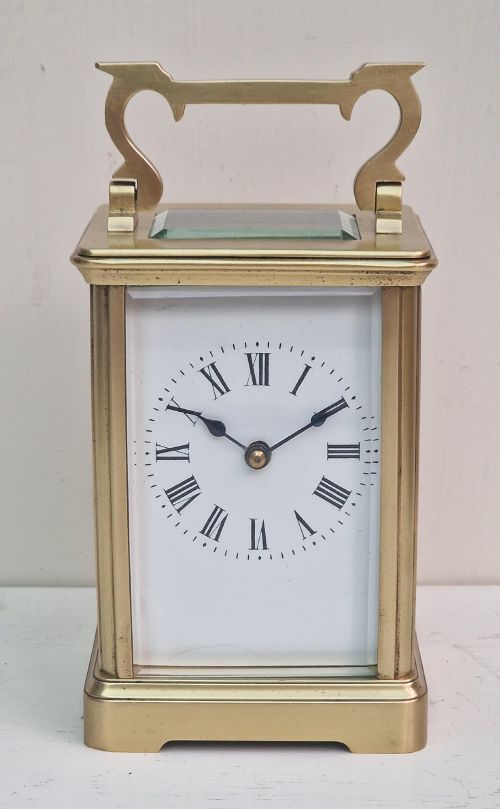
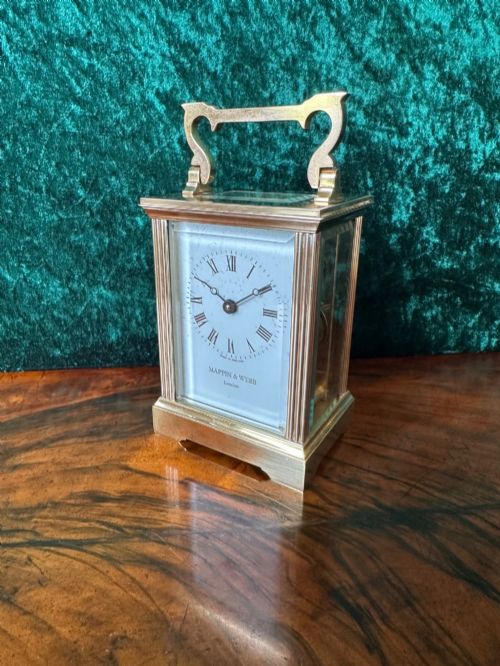
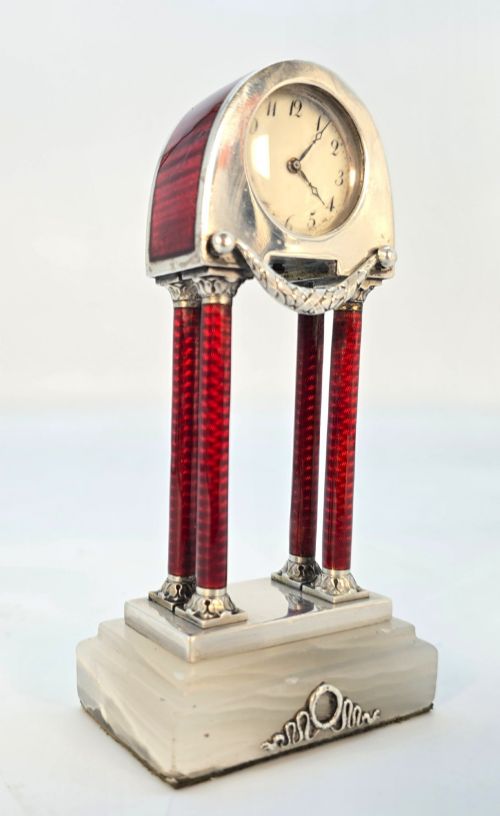
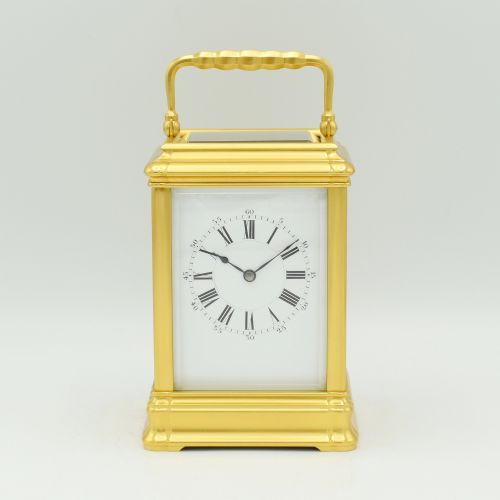
When you search for an enamelled clock, you encounter a variety of timepieces spanning the nineteenth and twentieth centuries, predominantly featuring French carriage clocks and mantel designs. These objects combine metalwork cases with decorative enamel dials, panels, or full champleve surrounds.
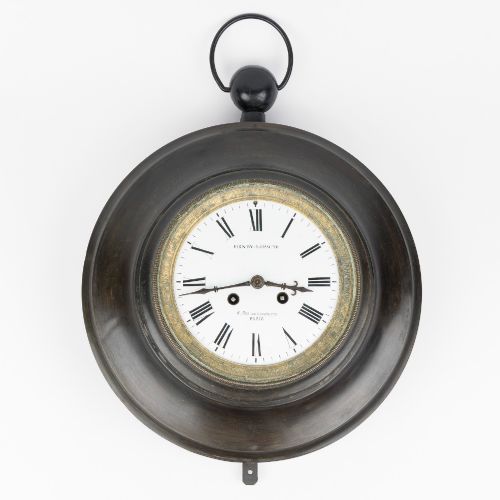
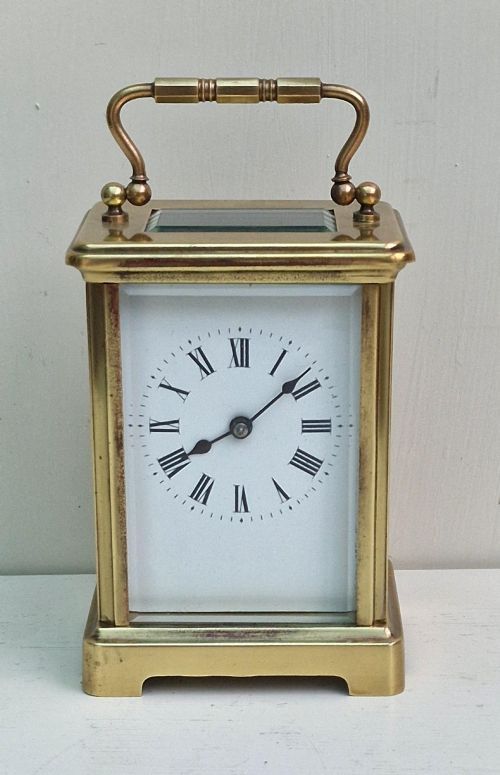
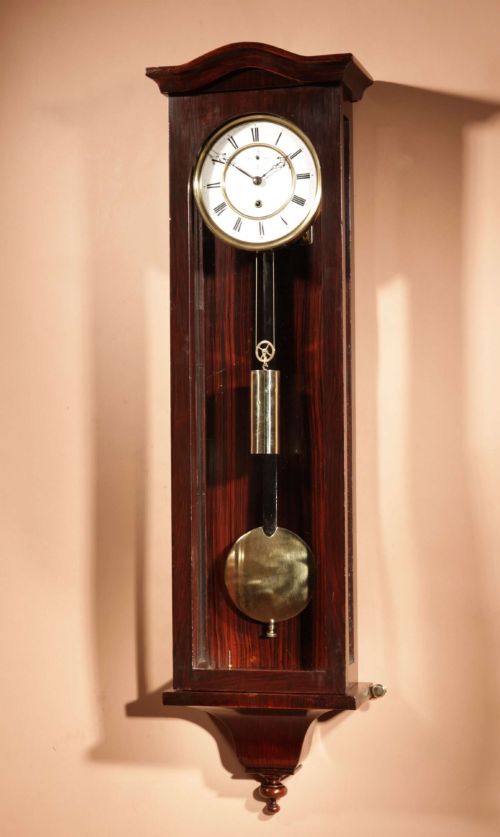
The most common examples on this page are brass and gilt bronze carriage clocks from the Victorian period and the late nineteenth century. Alongside these portable travel pieces, you find wall clocks, desk clocks, and larger mantel clocks framed by marble or porcelain.
How they were made
Maker workshops constructed the structural cases using brass, gilt bronze, and ormolu, often housing complex mechanical movements driven by springs and escapements. Cases frequently incorporated glass panels to display the inner workings.
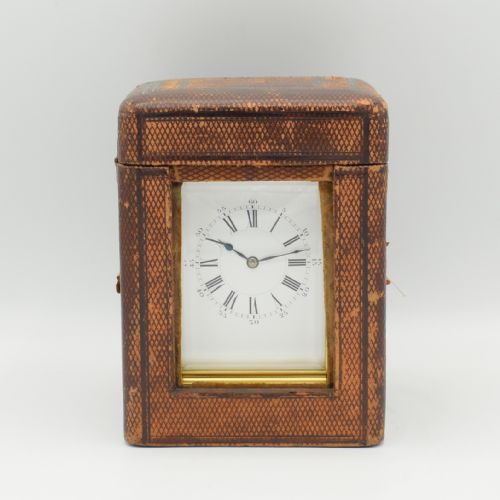
Enamelwork was applied to dials or flush panels, sometimes utilising champleve techniques to sink coloured enamels into carved metal channels. Artisans also integrated porcelain panels, silver mounts, and leather travel cases.
Enamelled Clock Retail Price Guide 2026
Typical asking prices for enamelled clock among the pieces listed under this phrase on Sellingantiques today, from the lower quarter to the upper quarter. They describe what is for sale here now, not the wider market.
One pocket watch listed is an Octo eight-day goliath, designed so heavy it could double as a small paperweight.
What varies in quality
Quality depends upon the crispness of the cast brass or gilt bronze case, the depth of hand-engraving, and the intricacy of the enamelwork. Fine examples display fully engraved brass gorge cases and clean, undamaged enamel dials.
The presence of maker signatures on movements or dials distinguishes workshop production, alongside complications such as repeat striking mechanisms or bell strikes. Miniature sizing and original fitted travel cases also elevate certain pieces.
Henri Jacot·Henry Lepaute·Mappin and Webb·Georg Adam Scheid·Drocourt Paris·C Detouche Paris·T Martin and Co·Rodier
The Enamelled Clock Glossary
- Carriage clock
- A small, spring-driven portable timepiece designed for travel, typically featuring a brass case with glass panels and a handle on top. These clocks originated in France during the nineteenth century.
- Champleve enamel
- A technique where enamel is fused into hollowed-out recesses or troughs carved into a metal surface. The metal partitions remain visible between the coloured enamel areas.
- Gorge case
- A specific stepped-top style of brass carriage case commonly found on nineteenth-century French timepieces. This case design frames the glass panels securely.
- Clock garniture
- A set comprising a central clock flanked by matching decorative objects such as urns or candelabra. These sets were designed to sit together on a mantelpiece.
- Pendule d'officier
- A traditional French term for a military-style officer's travel clock, often housed in a robust brass case with a striking movement.
Enamelled Clock: Frequently Asked Questions
What is champleve enamel?
Champleve is an enamelling technique where artisans carve or etch patterns directly into a metal surface such as brass or bronze. Coloured glass powder is packed into these sunken channels and fired.
After firing, the surface is ground flat and polished to create a smooth finish where metal outlines separate the vibrant enamel colours.
How do I know if my clock is French?
French timepieces from the nineteenth century often feature maker stamps or serial numbers on the back movement plate. Common indicators include gorge cases, platform escapements, and bell strike mechanisms.
Stylistic cues such as gilt bronze mounts, ormolu finishes, and porcelain dial panels also point towards nineteenth-century French workshops.
Where should I place a mantel clock?
Mantel clocks require a stable, level surface away from direct sunlight, extreme temperature changes, and moisture. Wooden sideboards, marble mantelpieces, and sturdy desks provide suitable support.
Ensure the clock sits flat so the pendulum or platform escapement beats evenly and keeps accurate time.