




Enamel Topped Table
An enamel topped table brings together metalwork and glass or wood, offering a decorative surface that catches the light in any room.
Enamel Topped Table
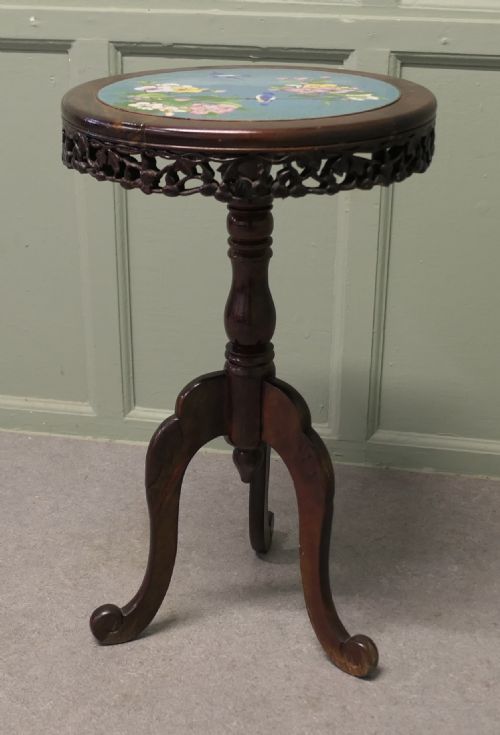
When you search for an enamel topped table, you encounter pieces that incorporate decorative enamel panels into furniture forms such as wine tables or centre tables. The evidence shows these surfaces range from Japanese carved drum tables with inset cloisonné panels to ornate Chinoiserie wine tables decorated with birds and flowers.
The most common examples date from the late nineteenth century through to the early twentieth century, reflecting Victorian, Edwardian, and Art Deco design preferences. These tables combine sturdy wooden or brass structures with vibrant, colourful enamel tabletops that serve as the visual centrepiece of the piece.
Buyers also encounter smaller items bearing similar materials, though the tables themselves remain distinct through their integrated panel construction and distinct period styles like Ottoman Revival or early twentieth-century designs.
Materials and construction
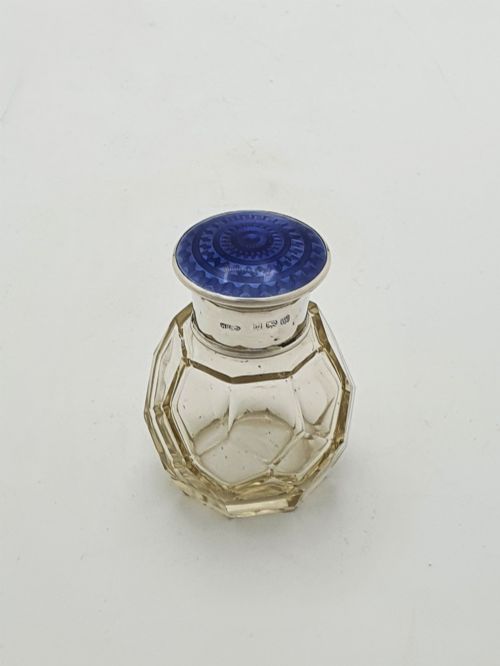
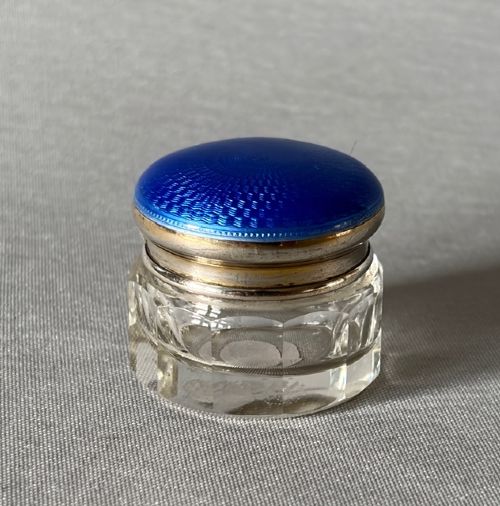
The construction of these pieces relies on combining durable structural materials like hardwood or brass with decorative surfaces of enamel, often set within frames or tabletops. Cloisonné and guilloché enamel techniques provide the detailed surface patterns seen on the inset panels and lids.
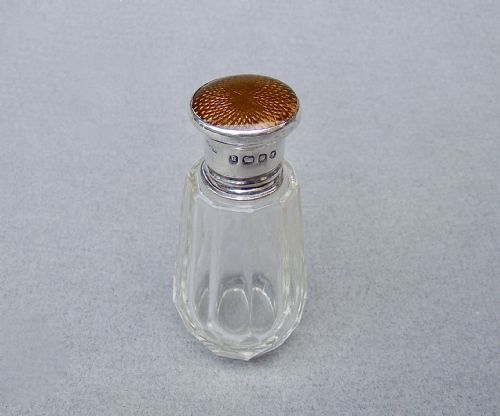
Makers utilised sterling silver mounts, cut glass bodies, and carved wood to support and frame the enamel work. The integration of metalwork with glass and timber requires precise fitting to ensure the delicate enamel panels remain secure within the table structure.
Enamel Topped Table Retail Price Guide 2026
Typical asking prices for enamel topped table among the pieces listed under this phrase on Sellingantiques today, from the lower quarter to the upper quarter. They describe what is for sale here now, not the wider market.
The listings show items spanning the 19th Century, 1890, 1910, 1920, 1930, and 1960 periods, utilising enamel, sterling silver, glass, brass, and hardwood.
Assessing quality and craftsmanship
Quality in these pieces rests upon the precision of the enamel work and the integrity of the surrounding woodwork or metal frame. Finer examples display intricate cloisonné or guilloché patterns with smooth, even colouration across the entire surface panel.
The choice of structural materials also distinguishes the range, with solid hardwoods and substantial sterling silver mounts indicating superior craftsmanship compared to simpler brass or mixed metal builds. The harmony between the decorative top and the supporting base defines the overall success of the piece.
Henry Clifford Davis·Henry Perkins·Goldsmith's and Silversmith's Co.·Jean Baptiste Delettrez
The Enamel Topped Table Glossary
- Cloisonné enamel
- A technique where thin metal wires are soldered to a metal base to create compartments filled with enamel paste before firing. This method produces intricate geometric or pictorial designs.
- Guilloché enamel
- Enamel applied over a metal surface that has been mechanically engraved with a repetitive geometric pattern. The underlying engraving shows through the translucent enamel.
- Wine table
- A small, portable occasional table designed to hold glasses or bottles, typically featuring a single central pillar and tripod base. These tables often incorporate decorative tops made of stone, glass, or enamel.
Enamel Topped Table: Frequently Asked Questions
What is an enamel topped table?
An enamel topped table is a piece of furniture featuring a decorative enamel panel inset into the surface. These tables combine sturdy wooden or metal bases with colourful, patterned upper sections.
They serve as decorative accent pieces in a room, drawing the eye to the detailed metalwork and enamel techniques used on the tabletop.
How do I care for my table?
Caring for these tables involves protecting the delicate enamel surface from sharp impacts and excessive moisture. Use soft, dry cloths for dusting and avoid harsh chemical cleaners that might damage the metal or glass components.
Placement away from direct sunlight helps preserve the rich colours of the enamel over time.
How do I date an enamel table?
Dating relies on examining the overall style, the materials used in the frame, and any accompanying hallmarks. Pieces from the late nineteenth century often feature carved wooden frames and cloisonné work, while later 1920s and 1930s examples lean towards Art Deco aesthetics.
Maker marks and silver hallmarks provide precise manufacturing years where present on the mounts.
Where were these tables placed?
Historically, smaller decorative tables and stands were utilised in parlours and drawing rooms as occasional or wine tables. Their portable nature allowed them to be moved easily to hold small items or drinks.
Today, they function well as bedside tables, plant stands, or prominent accent pieces in living spaces.