





Enamel Table Accessories
These enamel table accessories bring vibrant colour and polished metal to dining settings, spanning the Edwardian era through to Art Deco modernism.
Enamel Table Accessories
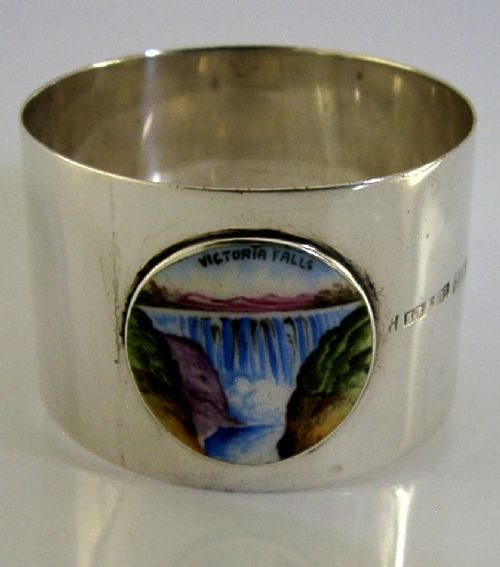
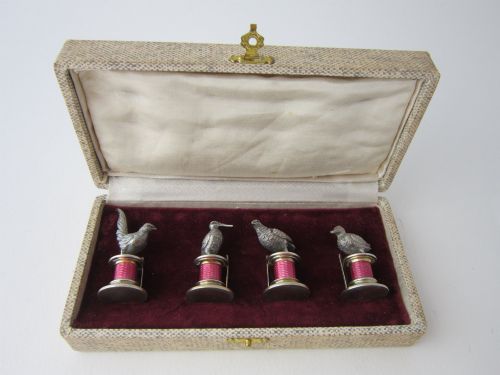
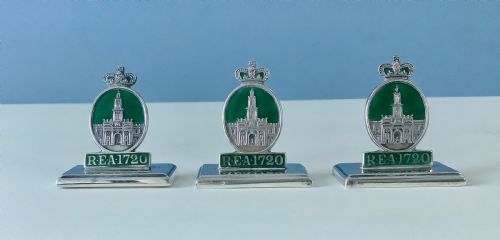
When you search for enamel table accessories, you encounter items designed for the dining table and dressing table, including menu holders, napkin rings, place card holders, and perfume bottles. The selection spans the Edwardian period, the 1910s, 1920s, 1930s, and the 1940s.
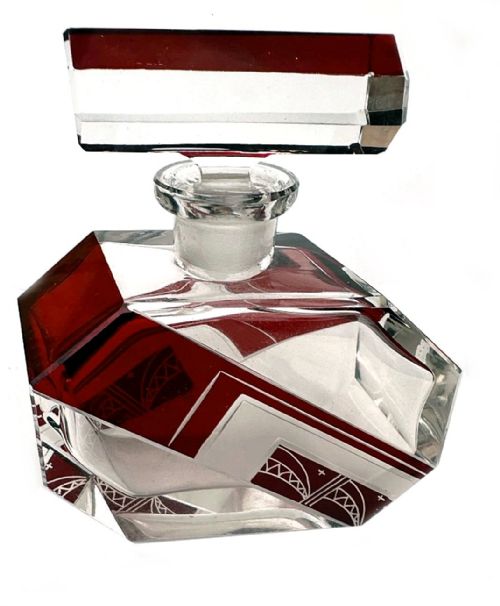
Menu holders and napkin rings represent the core dining pieces, often fashioned from sterling silver paired with coloured enamel. Perfume bottles and scent bottles in cut glass and guilloche enamel also appear regularly alongside dressing table jars.
Stylistic influences range from Arts and Crafts and George V formality to geometric Art Deco designs and mid-century Italian work. Most pieces combine metalwork with vibrant surface decoration to catch the light on a formal table.
Materials and Techniques
Silversmiths constructed the foundational mounts and frames using sterling silver, frequently applying gilding or incorporating cut glass bodies for scent bottles. Velvet and silk occasionally lined fitted boxes or interior compartments.
Enamelling techniques varied from plain coloured applications to intricate guilloche patterns etched into the metal beneath translucent coloured layers. Glass components were often moulded or cut into geometric shapes typical of the Art Deco period.
Enamel Table Accessories Retail Price Guide 2026
Typical asking prices for enamel table accessories among the pieces listed under this phrase on Sellingantiques today, from the lower quarter to the upper quarter. They describe what is for sale here now, not the wider market.
Listings feature sterling silver, cut glass, guilloche enamel, and velvet across Edwardian, Art Deco, and 1940s periods.
Variations in Quality
The refinement of the guilloche engraving beneath the translucent enamel determines the visual depth of many pieces. Crisper machine-turned patterns create a livelier play of light than plain, flat enamel surfaces.
Maker attribution and the weight of the sterling silver mountings distinguish standard production items from those produced by notable workshops and designers. The precision of the silver joints and the clarity of the cut glass bodies further separate finer examples.
Karl Palda·Henry Perkins·Liberty and Co·David Andersen·Sampson Mordan
The Enamel Table Accessories Glossary
- Guilloche Enamel
- A decorative technique where metal is engine-turned with an intricate repeating pattern before transparent enamel is applied over it. This allows the engraved geometric design to show through the glossy coloured surface.
- Sterling Silver
- An alloy of silver containing 92.5 percent pure silver and 7.5 percent other metals, usually copper, used for the structural mounts of these items. Hallmarks stamped into the metal indicate the assay office, standard, and date.
- Menu Holder
- A small upright frame designed to display meal cards on a dining table. They frequently take figurative or geometric forms executed in silver and enamel.
- Scent Bottle
- A small glass or crystal container fitted with a silver and enamel cap for holding perfume. Many examples feature cut glass bodies paired with matching stoppers.
Enamel Table Accessories: Frequently Asked Questions
How were menu holders used?
Hosts placed them along the dining table to indicate the courses of a formal meal to seated guests. They held small cards inscribed with the menu details.
In addition to menu cards, smaller versions frequently served as place card holders to designate where specific guests should sit.
How do I identify Art Deco pieces?
Art Deco items generally feature clean geometric lines, symmetrical patterns, and stylized motifs popular during the 1920s and 1930s. Guilloche enamel in strong colours paired with clear cut glass is typical.
Maker signatures or period hallmarks stamped onto the silver components help confirm the manufacturing decade.
How should I care for silver and enamel?
Clean the silver mounts gently with a specialised silver cloth while avoiding abrasive polishes that might scratch the delicate glass or enamel surfaces. Keep the pieces away from prolonged direct sunlight to prevent colour fading in vintage enamels.
Store them in dry conditions, avoiding contact with harsh chemicals or immersion in water.