






Enamel Scent Flask
An enamel scent flask combines pocketable utility with miniature painting, offering a glimpse into centuries of delicate craftsmanship.
Enamel Scent Flask
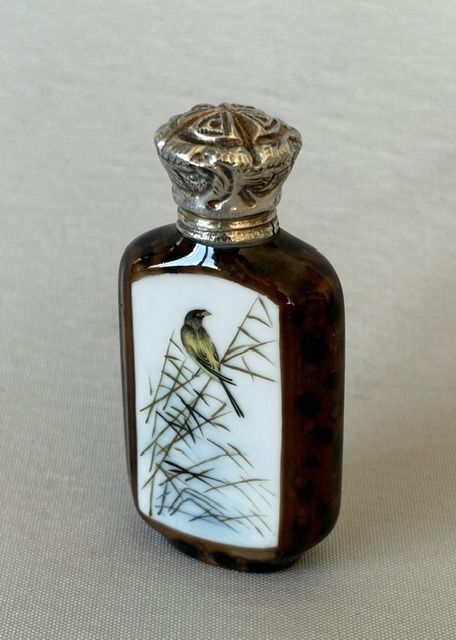
An enamel scent flask is a portable vessel designed to hold perfume, smelling salts or snuff, appearing in forms ranging from Georgian hand-painted enamel trifles to Art Deco geometric glass bottles with silver and guilloche enamel caps.
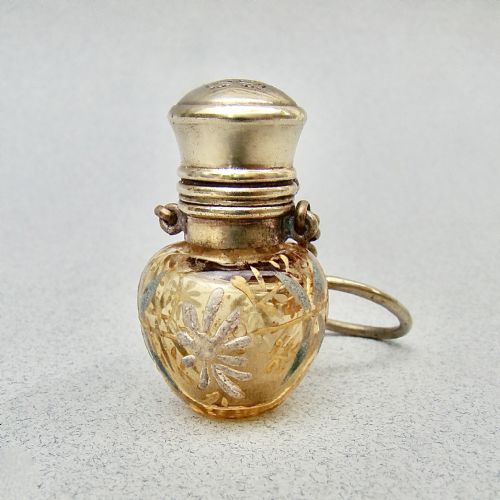
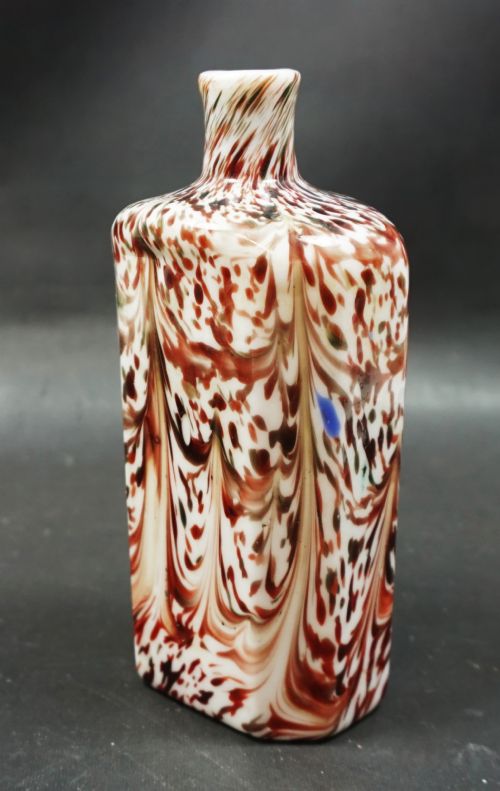
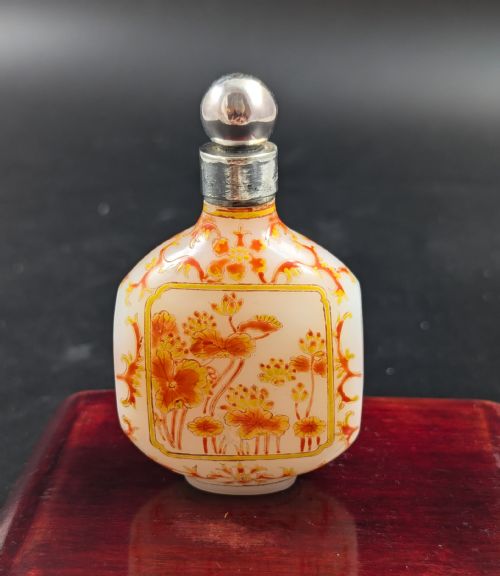
The selection here spans diverse origins and stylistic movements, including French nineteenth-century chatelaine bottles, Chinese porcelain and glass snuff bottles, and Swiss eighteenth-century milk glass flasks.
Buyers will most frequently encounter nineteenth-century European chatelaine pieces alongside 1930s Art Deco silver-mounted glass bottles, reflecting both Victorian personal adornment and twentieth-century modernist design.
How they were made
Makers combined vitreous enamel with sterling silver, gold leaf, or gilded metal, fusing powdered glass onto metallic surfaces through high-temperature firing.
Vessels utilised blown, cut, milk, and satin glass as bodies, often complemented by intricate guilloche engraving beneath translucent enamel layers or hand-painted decorative scenes.
Mounts and collars in silver were shaped to secure stopper fittings, frequently bearing hallmarks from regional assay offices.
Enamel Scent Flask Retail Price Guide 2026
Typical asking prices for enamel scent flask among the pieces listed under this phrase on Sellingantiques today, from the lower quarter to the upper quarter. They describe what is for sale here now, not the wider market.
Materials appearing across the inventory include porcelain, cut glass, milk glass, satin glass, sterling silver, gold leaf, and gilded metal.
What varies in quality
Quality rests upon the crispness of the enamel work, the precision of the guilloche pattern, and the integrity of the painted miniature scenes.
The weight and clarity of the glass body, coupled with the solidity of the silver or gilded metal mounts, distinguish standard production from finer workshop output.
The preservation of the original stopper and the crispness of maker marks or factory stamps further separate typical examples from superior specimens.
Karl Palda·Henry Perkins·René Lalique
The Enamel Scent Flask Glossary
- Guilloche
- A decorative technique where a mechanical lathe engraves precise, intricate geometric patterns into a metal substrate under translucent enamel. This method creates shimmering light effects across the surface of the bottle cap.
- Chatelaine
- A decorative belt hook worn with a series of suspended chains carrying utilitarian items like scent bottles, keys, or watches. These nineteenth-century pieces allowed women to keep fragrance accessible at the waist.
- Famille Rose
- A major palette of Chinese porcelain ceramic glazes featuring opaque pink enamel, prominent in eighteenth and nineteenth-century snuff bottles. The term originates from the dominant rose colour derived from colloidal gold.
- Moser Glass
- A luxury glass manufacturer known for richly coloured and heavily enamelled or gilded glassware. Pieces originating from this Bohemian tradition display exceptional depth of tone and sculptural detail.
- Snuff Bottle
- A small container designed to hold pulverized tobacco, particularly prevalent in Chinese Qing Dynasty craftsmanship. These bottles utilise materials like porcelain, glass, and layered enamel.
Enamel Scent Flask: Frequently Asked Questions
How do I clean an old scent bottle?
Cleaning requires mild warm water applied carefully to the interior while keeping moisture away from historic enamel exteriors and silver mounts.
Harsh chemical immersion damages delicate painted scenes and deteriorates aged metal fittings.
Were these bottles meant to be carried?
Many smaller nineteenth-century examples featured chains or loops for attachment to chatelaines, intended for daily carriage.
Larger decorative flasks remained stationary on dressing tables or within specialised display cabinets.
How do I identify an Art Deco flask?
Art Deco specimens display geometric glass forms, sharp lines, and machine-engraved guilloche patterns beneath brightly coloured translucent enamel.
Maker attributions from this period often align with 1930s European designers and silversmiths.
What is the difference between a scent bottle and a snuff bottle?
Scent bottles typically house liquid perfumes or smelling salts, featuring tight stoppers or silver screw caps to prevent evaporation.
Snuff bottles are designed for dry powdered tobacco and include a tiny spoon attached to the stopper for retrieval.