





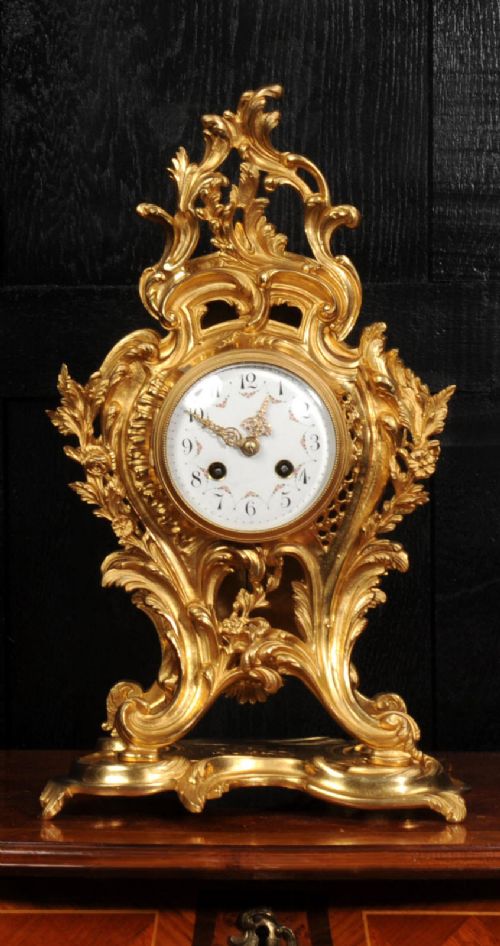


Enamel Pendulum Clock
An enamel pendulum clock brings together ticking brass and painted porcelain to sit upon a mantelpiece or hang upon a wall.
Enamel Pendulum Clock
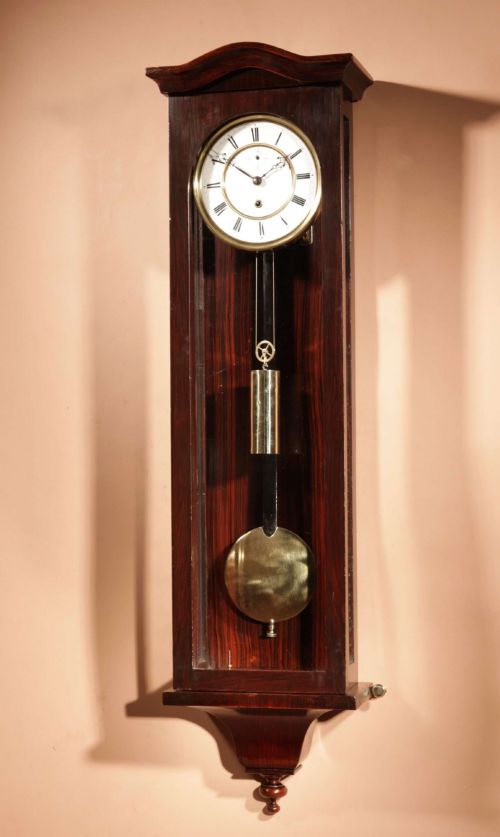
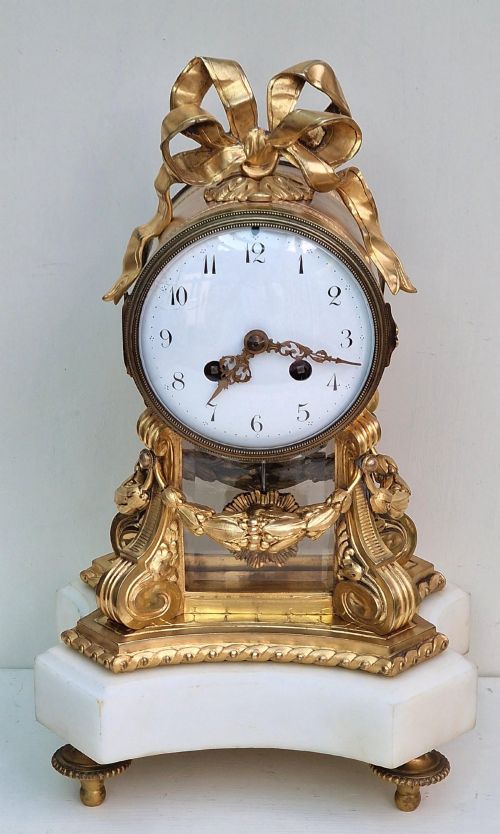
When you search for an enamel pendulum clock, you encounter timepieces housed in brass, ormolu, glass, marble, and mahogany. These pieces span the nineteenth century, including Victorian, Edwardian, and Belle Epoque periods.
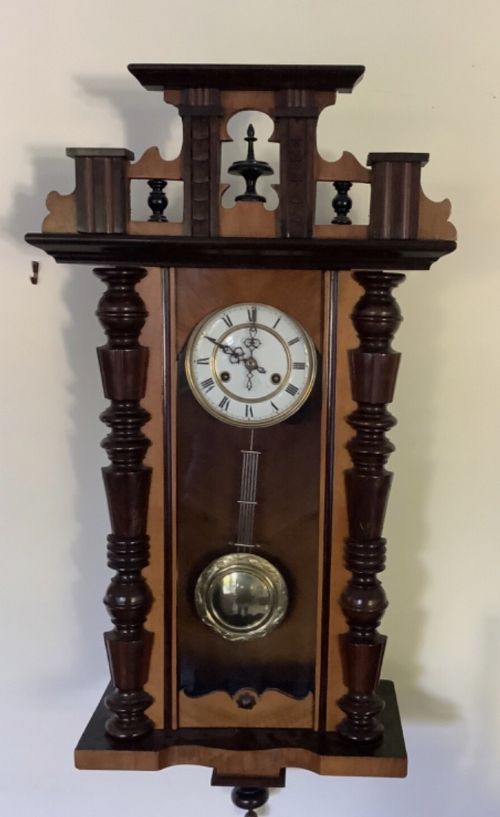
Mantel clocks and wall clocks dominate the selection, with French four-glass cases and crystal regulators appearing frequently. German and Austrian wall clocks also feature alongside French mantel designs.
The enamel pendulum clock category centres on French workshop production from the late nineteenth century. Ormolu rococo revivals, Louis XVI styles, and Napoleon III designs shape the selection.
How they were made
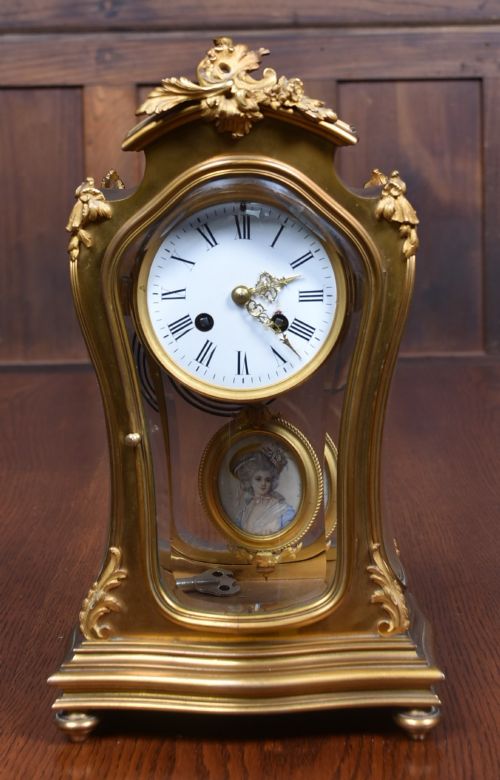
Cases combine cast ormolu, gilt bronze, and gilt brass with glass panels to expose the movement and pendulum. Mahogany and white marble provide alternative structural bodies for the clock mechanisms.
Dials and decorative panels utilise fired enamel, sometimes decorated with miniature paintings or numerals. Movements incorporate mechanical escapements driven by pendulums and weight trains.
Listings feature materials including glass, brass, ormolu, porcelain, and mahogany across nineteenth-century styles.
What varies in quality
The distinction between ordinary and superior pieces rests in the execution of the metalwork and the hand-painting upon the enamel. Crisp chasing in ormolu and signed movements elevate a clock beyond standard production.
Maker attribution to known French firms or retailers alters the standing of a piece within the field. The integration of delicate materials like porcelain panels and crystal glass further separates varied examples.
Samuel Marti et Cie·Le Roy et Fils·Ad Mougin·Tiffany
The Enamel Pendulum Clock Glossary
- Ormolu
- Gilt bronze produced by applying a mercury and gold amalgam to cast bronze. This technique creates a rich golden finish found on nineteenth-century French cases.
- Crystal Regulator
- A mantel clock featuring glass panels on four sides, allowing an unobstructed view of the moving pendulum and mechanism. These typically date from the late nineteenth century.
- Escapement
- The internal mechanism that controls the release of power from the gear train to the pendulum. Common variations include pinwheel and anchor deployments.
- Gorge Case
- A specific style of brass or gilt metal clock case featuring stepped mouldings at the top and bottom. This architectural form appears often on French carriage and bracket clocks.
- Regulator
- A precision timekeeper designed for accuracy, featuring a long pendulum and a clear dial layout. These take the form of wall-mounted or freestanding Vienna style pieces.
Enamel Pendulum Clock: Frequently Asked Questions
How do I wind my clock?
Most mechanical clocks require a key to tension the springs or lift the weights at regular intervals. Turning the key clockwise until gentle resistance is felt completes the winding process.
Care must be taken not to overwind the movement, as this strains the internal springs and disrupts proper timekeeping.
Where should I place a pendulum clock?
Pendulum clocks require a stable, level surface or a secure wall fixing to ensure the pendulum swings evenly. Placing them away from direct sunlight and damp areas protects the wood, ormolu, and enamel surfaces.
An exterior wall can sometimes transmit vibrations from outside traffic, making interior partitions preferable for accurate ticking.
How do I set the correct time?
The minute hand should be moved gently clockwise to reach the desired hour, pausing at each strike to let the mechanism chime. Moving hands anticlockwise can damage the striking train.
Allow the pendulum to settle into an even beat after adjusting the hands before checking the timekeeping over several hours.
How do I date an antique clock?
Dating relies upon stylistic cues in the case design, such as rococo scrolls, neoclassical columns, or art nouveau curves. Maker signatures and patent marks stamped on the brass backplate provide further chronological markers.
Comparison with documented examples from periods like the Victorian era or Napoleon III reign confirms the likely manufacturing decade.