


Empire Lighting
Empire lighting brings classical grandeur into a room through monumental brass, gilt bronze, and cut crystal forms designed to command the space.
Empire Lighting
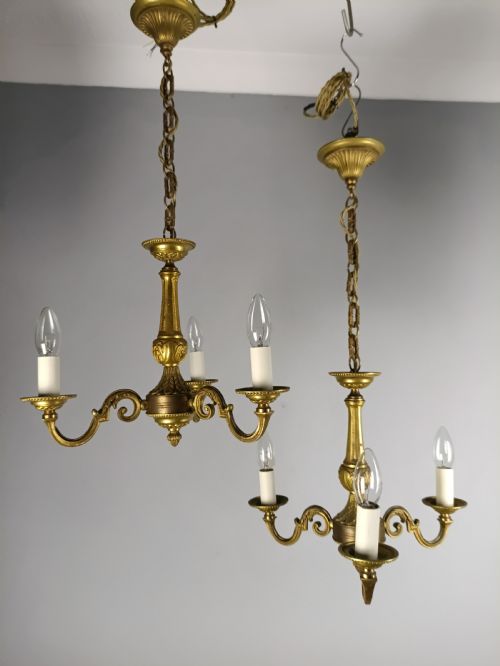
When you search for empire lighting, you encounter a distinct vocabulary of interior illumination spanning from the nineteenth century into the twentieth. The selection relies heavily on French Empire style, Regency, and Neoclassical designs, manifesting as chandeliers, wall lights, and candelabra.
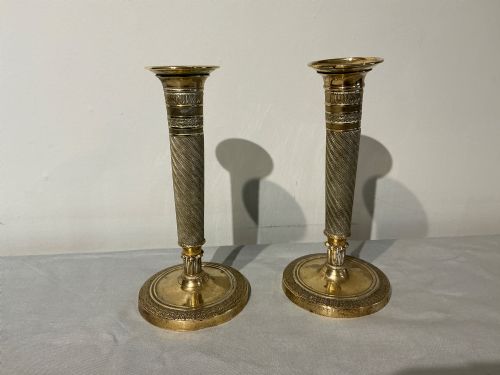
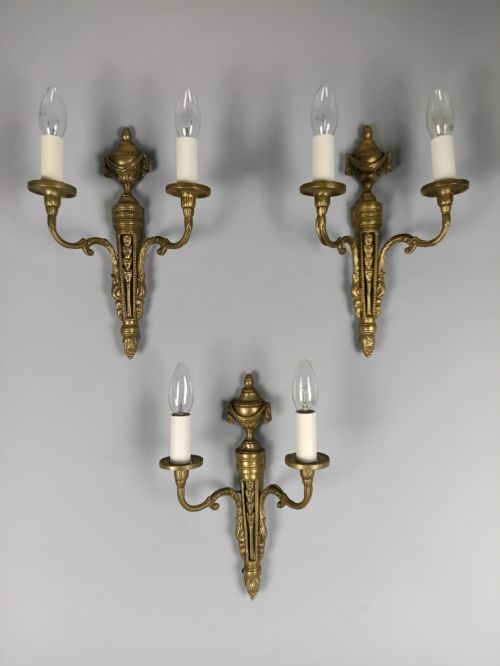
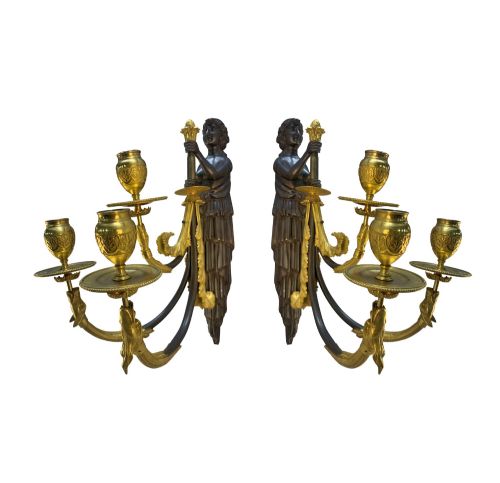
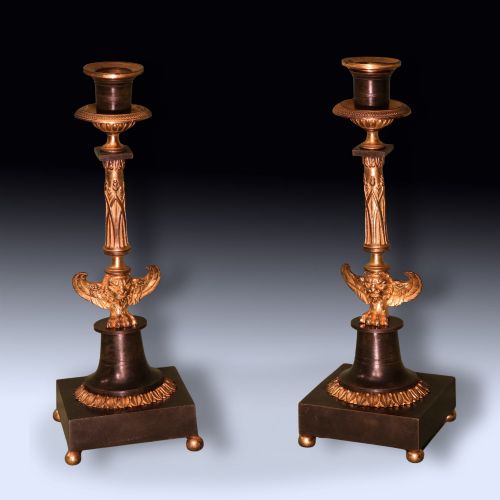
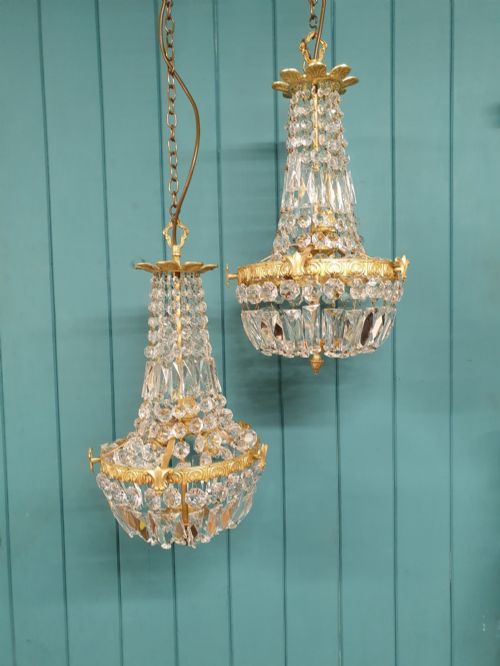
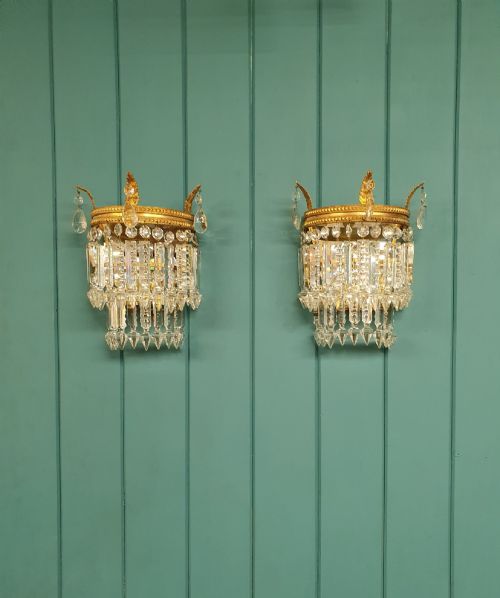
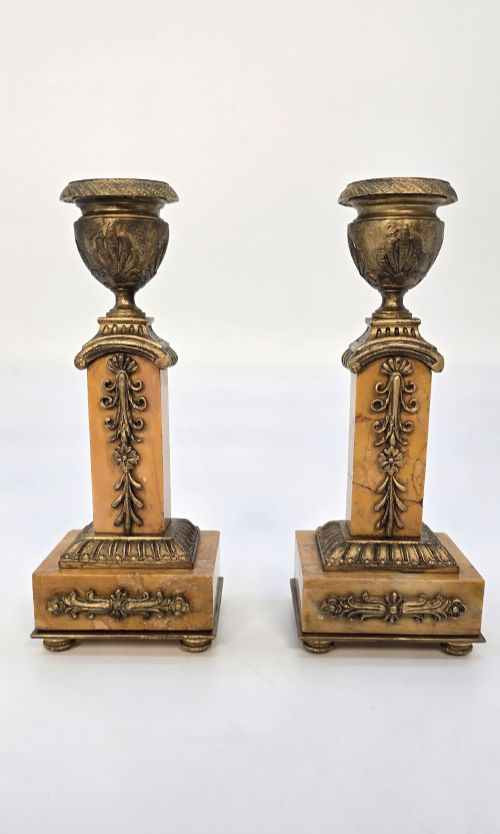
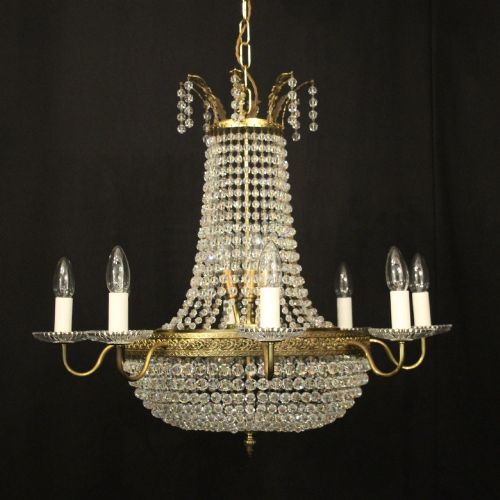
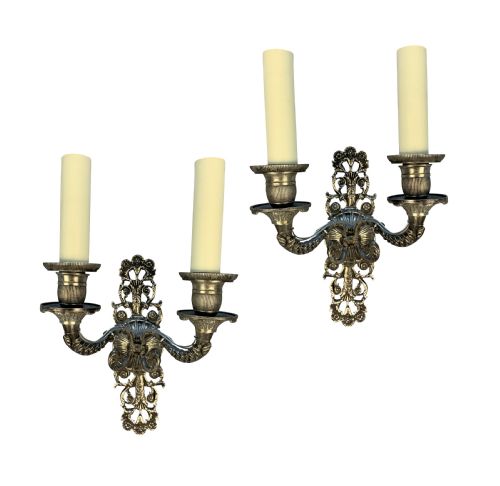
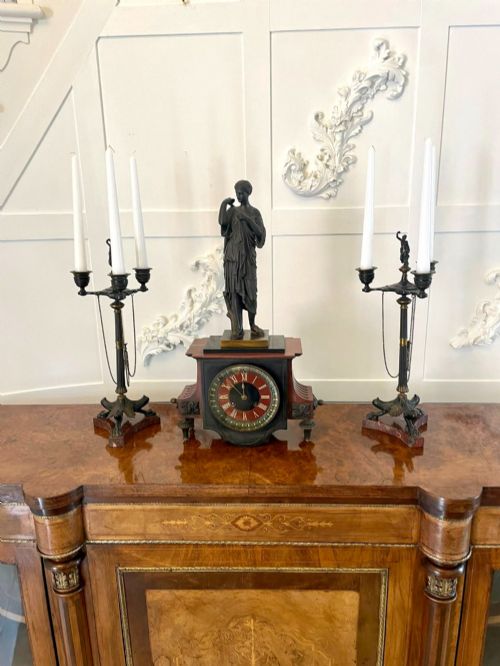
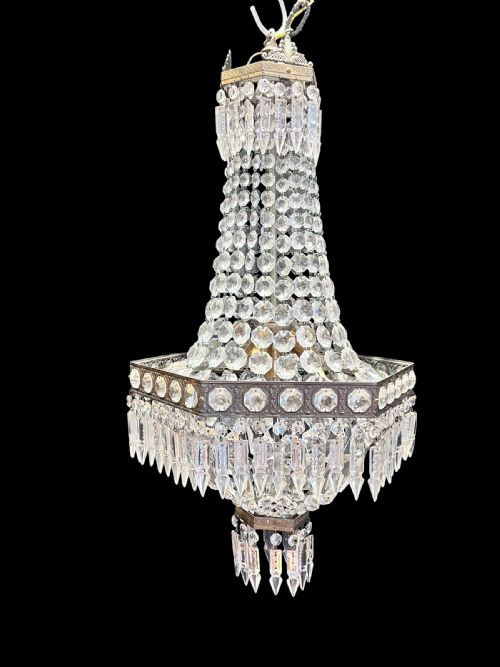
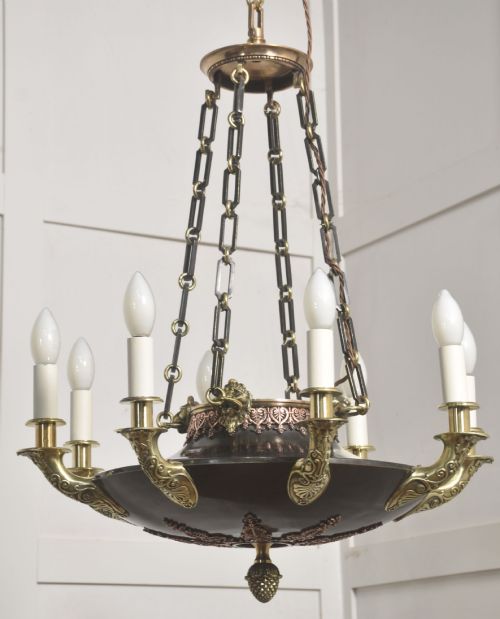
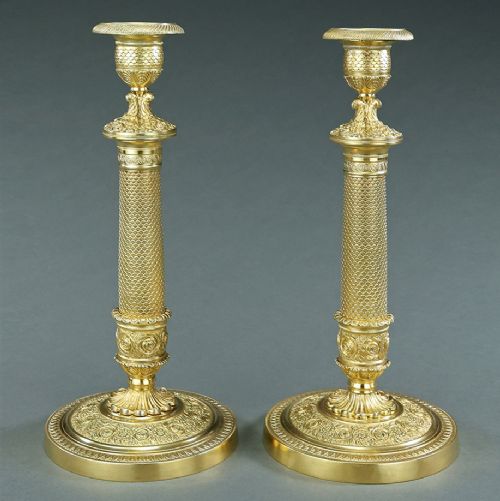
The most common forms on this page include tent and waterfall chandeliers alongside paired wall sconces and gilt bronze candlesticks. These pieces draw directly on classical motifs, incorporating marble bases, patinated bronze, and elaborate crystal drops to achieve their theatrical presence.
How they were made
The construction of these fixtures depends upon the careful combination of cast metals and mineral elements. Gilt bronze, ormolu, and patinated bronze form the heavy structural skeletons and decorative mounts, frequently paired with Carrara marble or burr walnut.
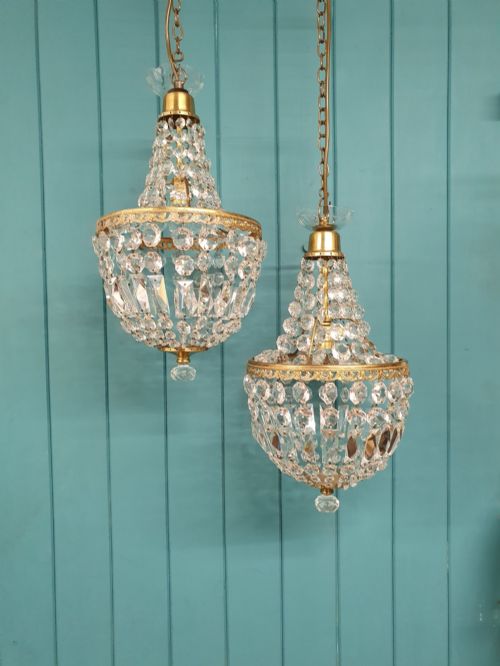
Illumination relies on cut glass and crystal configured into tents, waterfalls, and basket formations to refract light. Brass, copper, and hand-painted toleware appear across various wall lights and desk lamps, joined with fitted arms for multiple candles or early electric conversion.
Empire Lighting Retail Price Guide 2026
Typical asking prices for empire lighting among the pieces listed under this phrase on Sellingantiques today, from the lower quarter to the upper quarter. They describe what is for sale here now, not the wider market.
Some candelabra smugly disguise modern electrical wiring inside centuries-old bronze ram heads.
What varies in quality
The distinction between ordinary and exceptional work rests in the crispness of the metal chasing and the depth of the gilding. Superior examples display sharply rendered classical details and heavy cast components rather than light, hollow stampings.
Quality also shows in the selection of materials, such as the clarity of the cut crystal drops and the choice of genuine marble bases. Finer pieces maintain balanced proportions and harmonious integration between the metalwork and the glass elements.
Pierre Philippe Thomire
The Empire Lighting Glossary
- Ormolu
- A technique of applying finely ground high-carat gold to an bronze object using mercury. This creates a durable, warm metallic finish characteristic of high-status nineteenth-century lighting.
- Tent and waterfall chandelier
- A specific chandelier configuration where strings of crystal beads form an upper tent shape that drops into a cascading waterfall of further crystal strands. These designs maximise light refraction.
- Tole peinte
- Painted sheet metal used for shades and lantern bodies. It offers contrasting colour and matte texture against polished brass and gilt bronze mounts.
- Patinated bronze
- Metal treated chemically to darken the surface tone and highlight sculpted details. It provides a dark contrast to bright gilt bronze elements.
Empire Lighting: Frequently Asked Questions
How do I hang a heavy crystal chandelier?
Heavy chandeliers require direct anchoring into ceiling joists using steel fixings rather than standard plaster plugs. Professional installation ensures the weight of the metal frame and crystal is safely supported.
Electrical wiring must be assessed by a qualified electrician to ensure the internal components match current safety standards while preserving the antique fixtures.
Can these chandeliers be converted to electricity?
Most antique chandeliers and wall lights adapt readily to modern internal wiring without altering the exterior appearance. Wiring runs discreetly through the central channels and arms.
Low-wattage candle bulbs replicate the original glow of wax candles while protecting fragile crystal and old metal finishes from excessive heat.
How do I clean cut crystal and gilt bronze?
Clean crystal drops by hand using a mild solution of warm water and professional glass cleaner, drying each piece individually to prevent water spots. Avoid immersing wired sections directly in liquid.
Gilt bronze and ormolu require gentle dusting with a soft brush, avoiding abrasive polishes that strip the historic gold surface.