






Emerald Green Glass
Emerald green glass brings vivid colour and striking depth to interiors, spanning practical wine glasses and decorative table pieces.
Emerald Green Glass
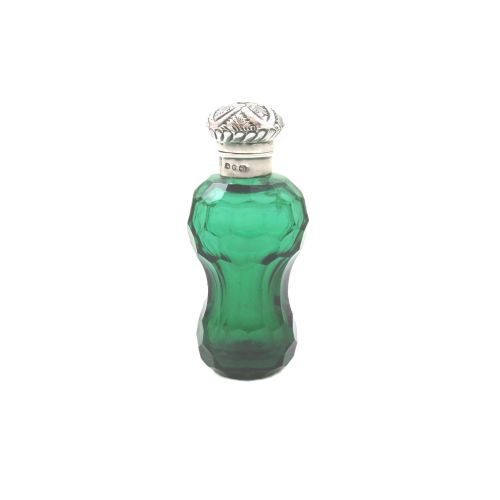
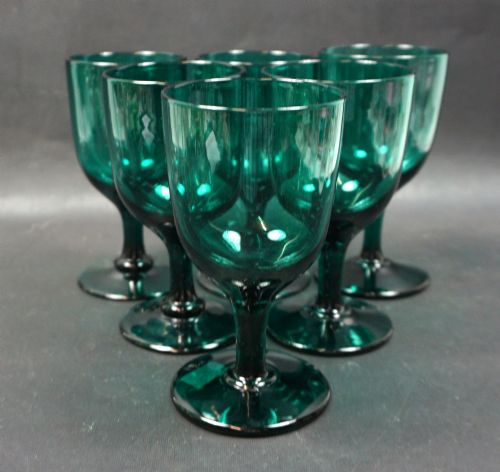
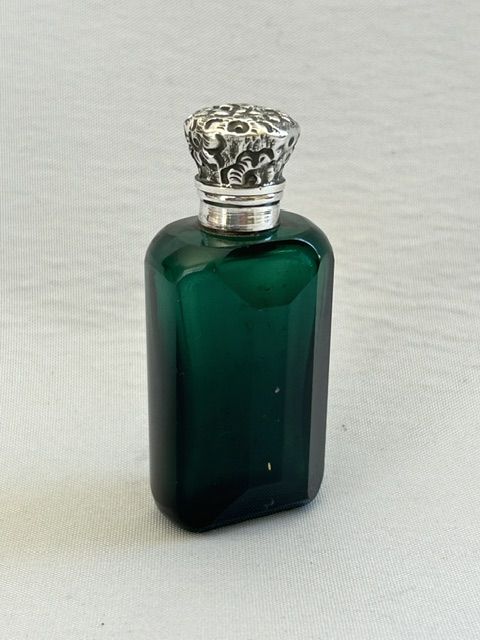
When searching for emerald green glass, buyers encounter a diverse range of objects stretching from Georgian drinking vessels to Art Deco decorative items. Wine glasses, scent bottles, and table lustres dominate the selection, often paired with contrasting materials like sterling silver or enamel.
The material appears across multiple distinct eras, including Victorian, Edwardian, and Biedermeier periods. Pieces manifest as deep-toned functional tableware, richly painted ewers, and heavy cut-crystal bowls designed for display.
Materials and methods
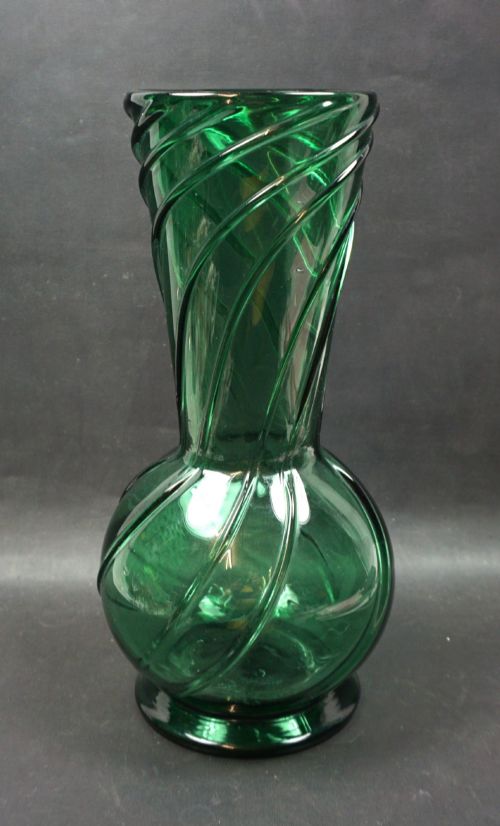
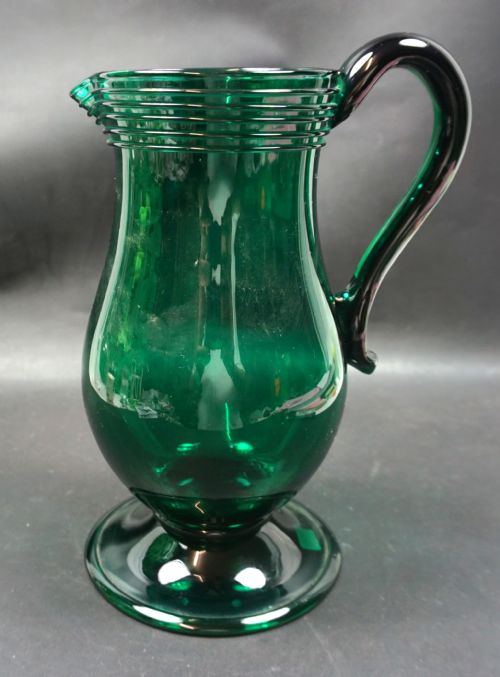
Glassmakers achieved rich coloration through metallic oxide additives in the molten batch, shaping vessels by hand-blowing into moulds or free-blowing with folded feet and applied trail rims. Overlay techniques involved casing clear crystal in a saturated green layer before cutting away sections to reveal patterns.
Makers frequently embellished glass surfaces using hand-painted enamel, gold leaf gilding, and intricate wheel-cutting. Many holloware pieces incorporated mounted sterling silver collars, stoppers, or hinged table boxes to elevate the utility of the glassware.
Emerald Green Glass Retail Price Guide 2026
Typical asking prices for emerald green glass among the pieces listed under this phrase on Sellingantiques today, from the lower quarter to the upper quarter. They describe what is for sale here now, not the wider market.
Current listings feature emerald green glass items spanning the Georgian, Victorian, and Art Deco periods, created in England, France, Belgium, and Bohemia.
Assessing quality and execution
Quality rests upon the depth and saturation of the glass colour combined with the crispness of any wheel-cut facets. Heavy lead crystal provides substantial weight and superior light refraction compared to lighter, standard utility glass.
Surface decoration separates standard production from finer output. Hand-painted enamel details, precise gold leaf application, and intact silver mounts demonstrate superior craftsmanship originating from notable European workshops.
Baccarat·Val St Lambert·Karl Palda·René Lalique·Stuart
The Emerald Green Glass Glossary
- Mary Gregory
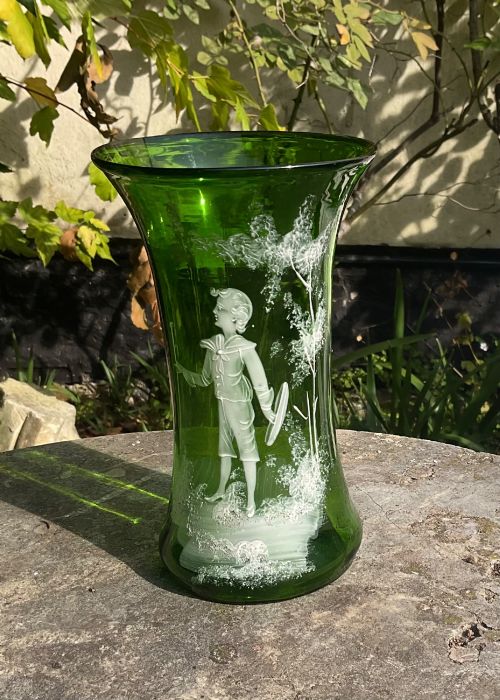
- A style of glass decoration featuring white enamel painted figures, typically children in pastoral settings, applied to coloured glass surfaces. This technique gained immense popularity during the Victorian era.
- Bristol Green
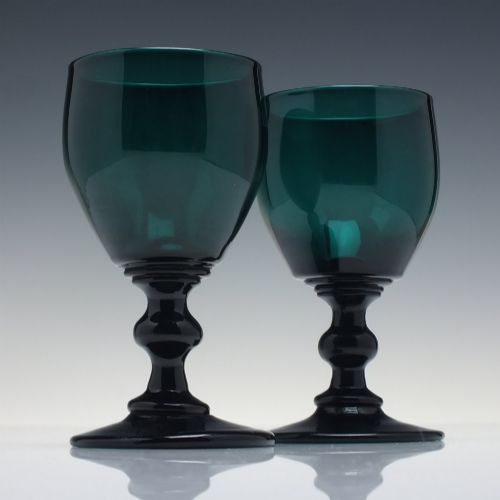
- A distinctive deep, vibrant shade of dark green glass traditionally produced in English West Country factories. The term often describes late Georgian and Victorian wine glasses and decanters.
- Table Lustre
- A decorative glass centrepiece featuring hanging crystal prisms designed to catch and reflect candlelight. These objects frequently utilise strong emerald green hues.
- Paste
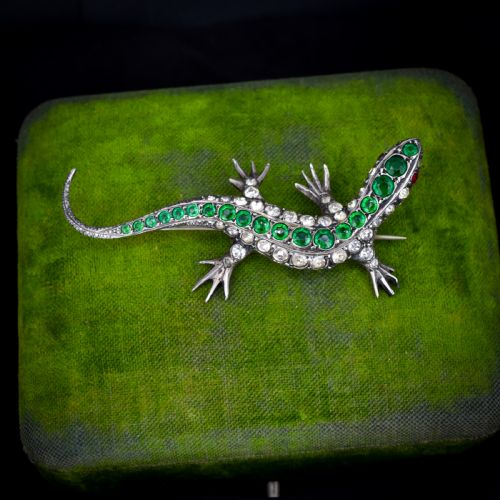
- Hand-cut lead glass used to imitate gemstones in antique jewellery settings. Jewellers mounted these coloured stones in silver and gold during the Georgian and Victorian periods.
- Over Crystal
- A manufacturing method where a layer of coloured glass is fused over a clear crystal base. Artisans then cut through the top layer to create contrasting patterns.
Emerald Green Glass: Frequently Asked Questions
How do I date antique green glass?
Dating relies heavily on manufacturing techniques, pontil mark characteristics, and silhouette styles. Georgian pieces often display rough pontil scars and simpler forms, while Victorian items introduce heavier ornamentation and machine-moulded elements.
Associated mounts in sterling silver frequently feature hallmarked date letters providing precise years of manufacture. Stylistic shifts between Georgian restraint, Victorian elaboration, and Art Deco geometry also guide identification.
Were these wine glasses meant for daily use?
Many historic wine glasses and hock glasses served functional roles at formal dining tables, though surviving examples require careful handling today. Thicker dram glasses and sturdy wine vessels were built for regular dining service.
Display items like table lustres and scent bottles served decorative and personal grooming purposes rather than dining use. Preserving these items involves hand washing without harsh detergents to protect the glass and enamel.
How should I clean antique glass?
Cleaning requires warm water and mild soap, avoiding abrasive cloths or harsh chemical solutions that might damage surface gilding. Items with enamel paint or silver mounts demand particular caution during washing.
Silver collars and hinged hardware should remain dry to prevent tarnish reactions with cleaning residues. Thorough drying with a soft microfibre cloth prevents water spots on clear-cut facets.