




Embroidered Linen Textile
An embroidered linen textile brings centuries of needlework history into a room, offering tangible connections to past domestic skill and artistic tradition.
Embroidered Linen Textile
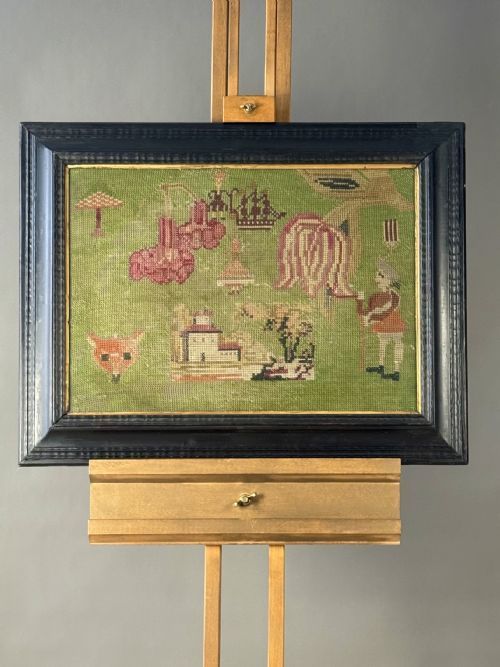
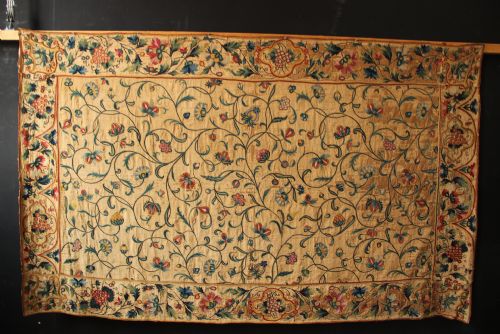
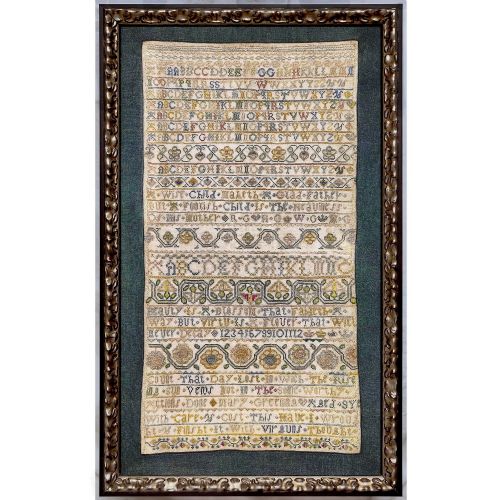
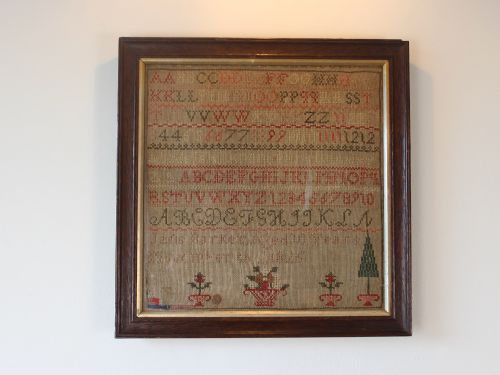
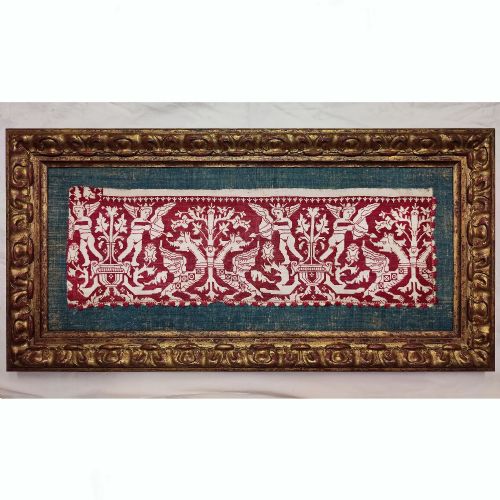
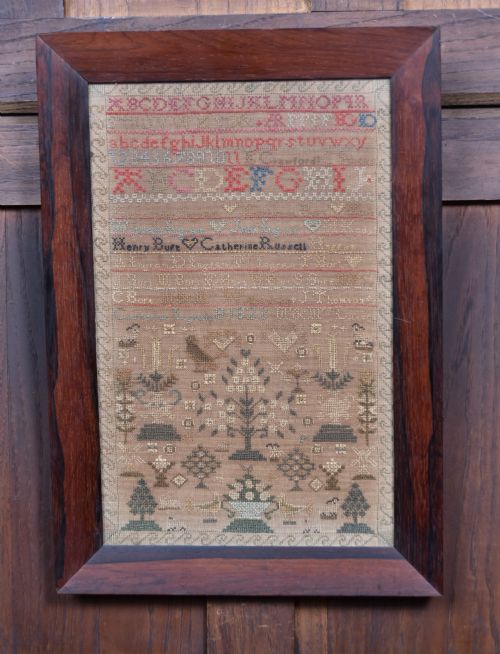
An embroidered linen textile is a fabric creation spanning needlework samplers, wall hangings, coverlets, and folding screens produced across multiple centuries. Buyers hunting for an embroidered linen textile most frequently encounter framed needlework samplers and panels originating from English, Scottish, and continental European workshops.
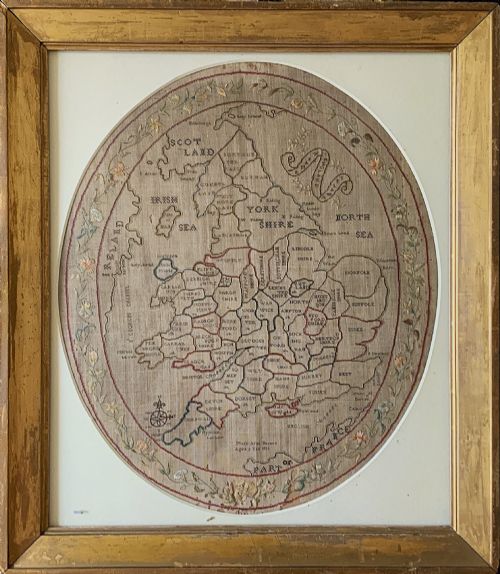
The selection ranges from schoolgirl alphabet exercises and detailed maps to large crewelwork panels and traditional coverlets. Pieces stretch chronologically from the seventeenth century through the Georgian and Victorian eras up to the early twentieth century.
Origins extend from British and Irish homes to Mediterranean islands, Persia, and Central Asia. Forms vary from simple stitched texts to complex pictorial compositions framed for display.
How They Were Made
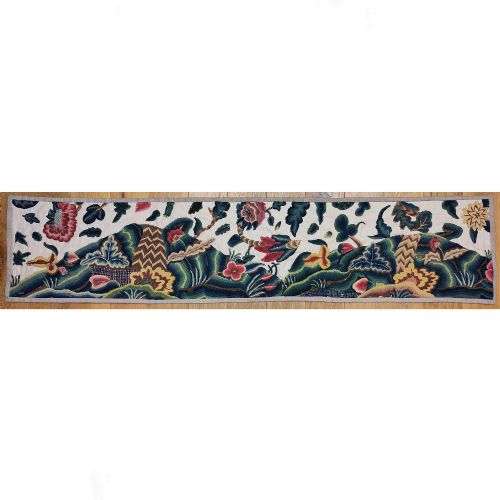
Maker execution relies primarily on a linen ground fabric stitched using threads of silk, wool, and silk floss. Artisans employed various needle techniques, including crewelwork, flat quilting, and dense needlepoint, to build texture and colour.
Many historical examples incorporate alphabets, numerals, maps, or pictorial scenes worked by young makers in schools or domestic settings. Completed panels often received wooden frames, sometimes backed with glass to protect the delicate fibres.
Embroidered Linen Textile Retail Price Guide 2026
Typical asking prices for embroidered linen textile among the pieces listed under this phrase on Sellingantiques today, from the lower quarter to the upper quarter. They describe what is for sale here now, not the wider market.
Several young makers carefully recorded their exact ages and stitch dates, immortalising childhood schoolroom patience in wool and linen.
What Varies in Quality
Quality rests in the precision of the stitching, the complexity of the design, and the survival of the original linen and thread colours. Finer examples display intricate pictorial details, sophisticated colour palettes, and well-executed lettering that reflect advanced needle skills.
Condition and completeness heavily influence the standing of a textile, distinguishing fragile, heavily degraded fragments from robust, well-preserved panels. The inclusion of identifiable maker names, dates, and geographic origins adds historical weight to the piece.
The Embroidered Linen Textile Glossary
- Crewelwork
- Embroidery executed with wool yarn on a linen or cotton base. This technique produces textured, heavy designs often seen in seventeenth and eighteenth-century panels.
- Sampler
- A piece of needlework produced to demonstrate or test skill in various stitches and patterns. Historical examples frequently include alphabets, numbers, and pious verses.
- Flat quilting
- A sewing method where two layers of fabric enclose a light padding and are stitched together in geometric or decorative patterns. This technique appears in historical bed covers and coverlets.
- Needlepoint
- Embroidery stitched onto a stiff, open-weave canvas or linen ground, covering the base fabric entirely. It creates a durable, tapestry-like surface suitable for wall art and furnishings.
- Band sampler
- A long, narrow format featuring horizontal rows of disparate embroidery patterns. These early formats allowed makers to record various stitch types for future reference.
Embroidered Linen Textile: Frequently Asked Questions
How do I date an antique sampler?
Many samplers include embroidered dates, maker names, and ages which provide a direct production year. Stylistic clues such as lettering fonts, border designs, and framing methods also help narrow down the period.
Changes in fabric preparation and thread types over the centuries offer further context for establishing whether a piece belongs to the Georgian, Victorian, or earlier periods.
How were historical embroidered textiles used?
Needlework samplers served primarily as educational exercises for young makers to practice lettering, numbers, and decorative stitches. Once finished, families framed these works to display domestic competence and piety on parlour walls.
Larger textiles such as coverlets, folding screens, and crewelwork panels functioned as decorative furnishings to warm rooms, adorn beds, or divide interior spaces.
How should I care for antique linen textiles?
Protect antique textiles from direct sunlight to prevent the fading of delicate silk and wool threads. Keep them away from high humidity and fluctuating temperatures to safeguard the fragile linen fibres.
Display pieces behind conservation glass if possible, and avoid hanging them in areas prone to cooking smoke or dampness.
What is the difference between crewelwork and needlepoint?
Crewelwork uses wool yarn on a linen ground to create flowing, organic floral or pictorial designs with visible background space. Needlepoint involves dense stitching that covers the entire foundation fabric, resulting in a firm, tapestry-like texture.
Both techniques require skilled hand manipulation of the needle, but they produce distinctly different surface appearances and weights.