



Embossed Silver Flask
An embossed silver flask is a decorative vessel for scent, offering intricate Victorian metalwork and tactile glass forms that collectors prize.
Embossed Silver Flask
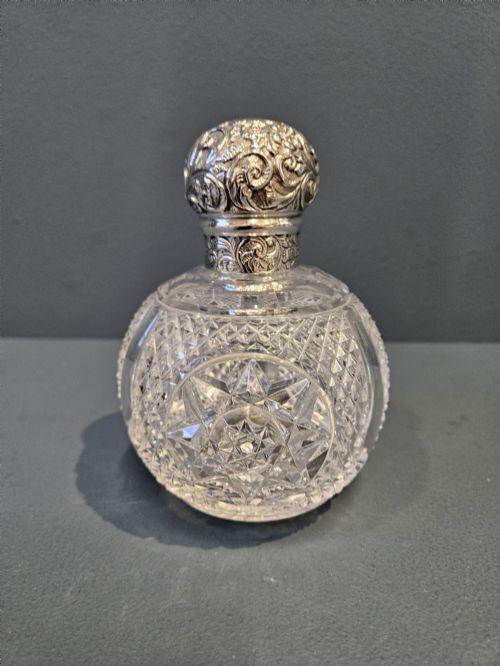
An embossed silver flask sits among scent bottles and perfume containers from the Victorian era. These pieces combine metal mountings with glass bodies to hold fragrance for personal use.
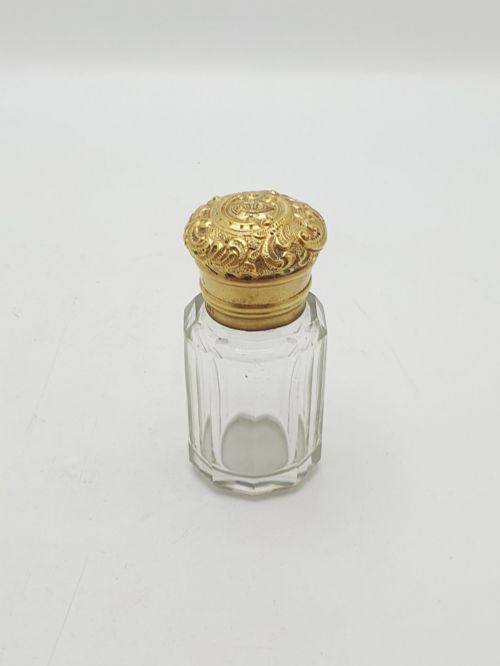
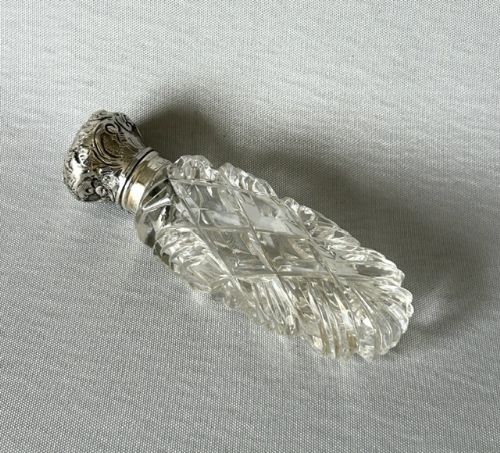
The versions most commonly met on this page are Victorian scent bottles created between 1870 and 1899. They appear in forms featuring cut crystal, amethyst glass, opaline glass, and overlaid glass paired with silver or sterling silver.
Makers utilised various glass colours and metalwork techniques to produce portable containers. Collectors encounter these items as small, decorative accessories typical of late nineteenth-century dressing table wares.
Materials and Technique
The construction relies on the combination of silver or sterling silver mountings with glass bodies. Artisans formed the vessels from cut crystal, cut glass, amethyst glass, opaline glass, and Bohemian overlay cranberry glass.
Metal components received embossed decoration, sometimes including cherub or angel motifs, before being fitted to the glass bodies. Some examples feature silver-gilt finishes to enhance the appearance of the mountings.
Embossed Silver Flask Retail Price Guide 2026
Typical asking prices for embossed silver flask among the pieces listed under this phrase on Sellingantiques today, from the lower quarter to the upper quarter. They describe what is for sale here now, not the wider market.
Some Victorian flasks feature cherubs looking down from the silver mounts, keeping a watchful eye on your perfume.
Assessing Quality
Quality differences emerge in the crispness of the embossed metalwork and the complexity of the glass body. Pieces with detailed motifs, such as cherubs or angels, show greater artisan input than plain mountings.
The choice of glass material also separates the range, with coloured, cased, or heavily cut crystal and overlay glass representing more elaborate production methods than standard clear glass.
The Embossed Silver Flask Glossary
- Sterling silver
- A silver alloy containing 92.5 percent pure silver by mass, frequently used for the mountings of these bottles.
- Silver-gilt
- Silver that has been plated with a thin layer of gold on its surface. This finish provides a warm tone to the metal mountings.
- Opaline glass
- An opaque or translucent pale glass popular in the nineteenth century. It provides a milky background for the silver mounts.
- Cut crystal
- Glass containing lead oxide that is cut with geometric or decorative facets. It reflects light effectively beside polished silver.
- Overlay glass
- Glass made by fusing multiple layers of different coloured glass together. Portions of the outer layer are then cut away to reveal the contrasting colour underneath.
Embossed Silver Flask: Frequently Asked Questions
How were they used?
Owners carried these small containers in pockets or purses, or displayed them on dressing tables. They held liquid fragrances for freshening the air or personal use during outings.
The secure stoppers prevented leaks while allowing small amounts of scent to be dispensed when needed. Their portable size made them practical accessories for the period.
How do I live with an embossed silver flask?
Display these items on flat surfaces away from direct sunlight and high moisture areas. Handle them gently by the body rather than relying solely on the silver mountings when moving them.
Cleaning requires mild agents suitable for glass and silver without abrasive materials that might damage the embossed details. Proper placement ensures the decorative glass and metal remain in stable condition.
How can I tell periods apart?
Dating relies on stylistic clues, glass types, and stamped hallmarks on the silver components. Victorian pieces often incorporate specific glass colours like amethyst, opaline, or cranberry overlay.
Assay office marks and date letters stamped into the silver provide precise years of production, such as those from London or Birmingham in the late nineteenth century. Examining both the metal stamps and glass manufacturing techniques helps confirm the era.