



Elm Wood Stool
Elm wood stool choices range from rustic milking seats to carved Georgian forms, offering tactile grain and enduring country utility.
Elm Wood Stool
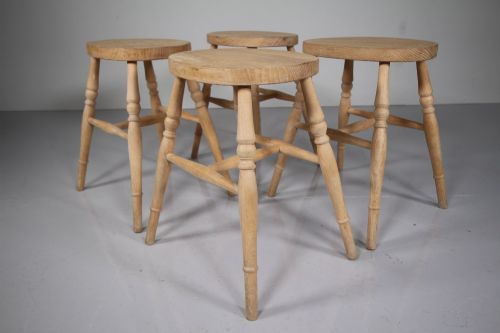
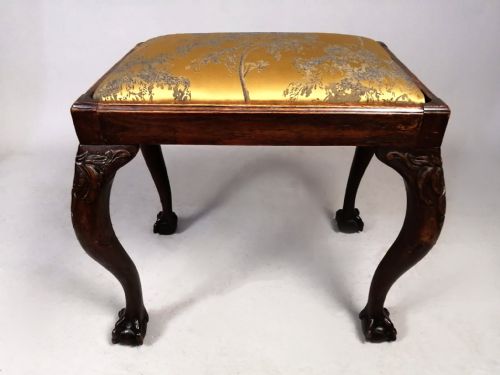
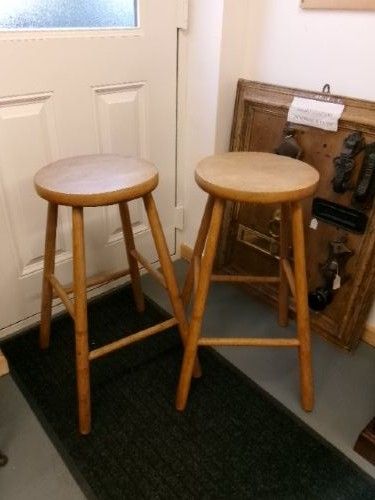
An elm wood stool brings a tactile, grainy presence to a room, appearing in forms from simple milking seats to formal George II designs. When you search for this phrase, you encounter everything from low footstools to tall bar stools and dining sets.
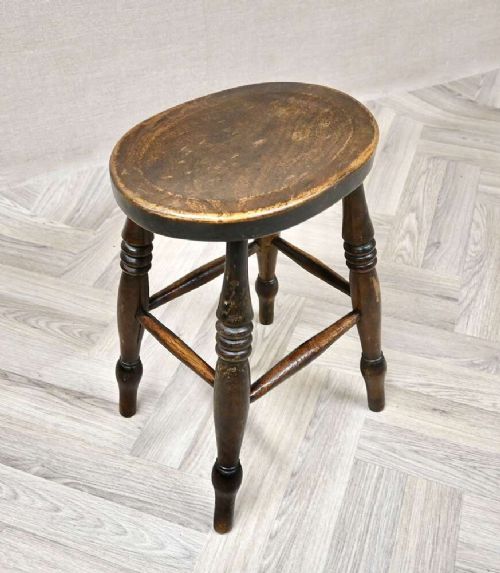
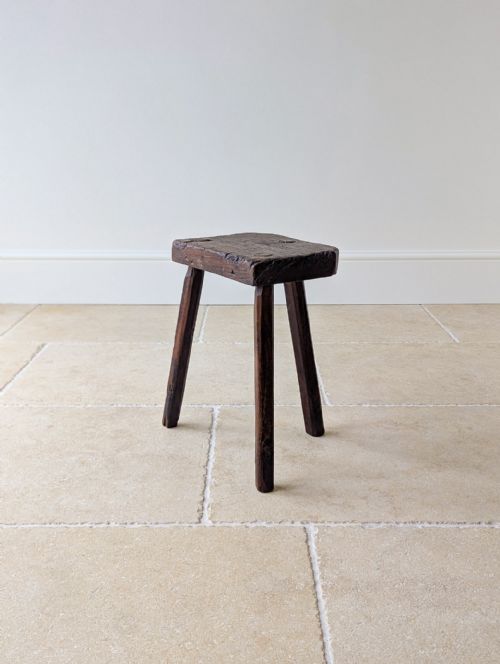
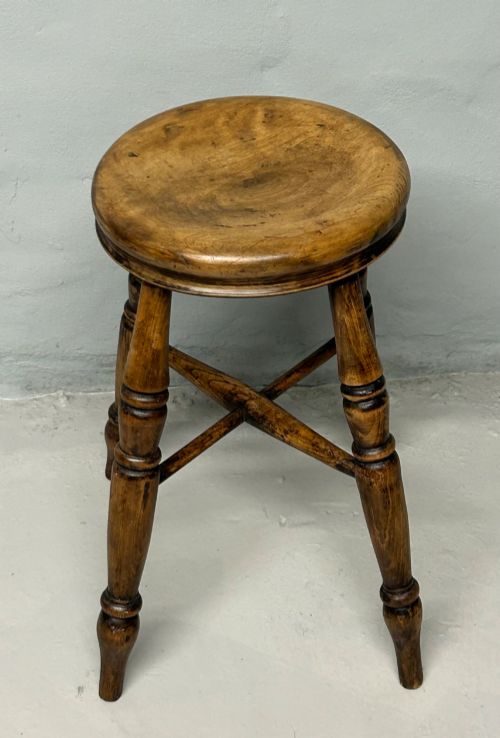
The selections span centuries, featuring 18th century pieces alongside Edwardian examples and mid-century industrial seating. Round seats, oval tops, and rustic vernacular styles dominate the pieces available to collectors.
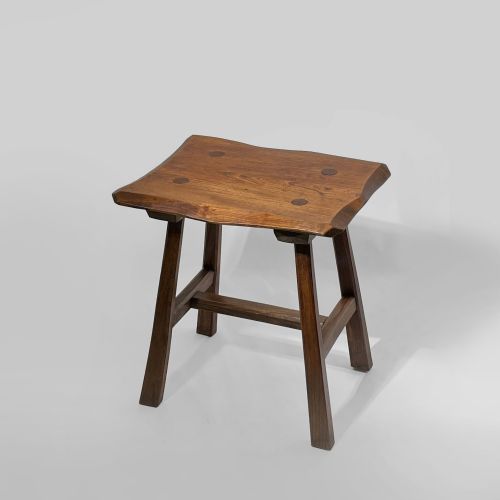
Makers utilised timber character, resulting in occasional tables and chopping blocks that double as seating. Swiss back stools and French provincial items sit alongside traditional English country variants.
Materials and construction
Elm provides the primary timber for seats, prized for its interlocking grain that resists splitting under heavy use. Joiners frequently combined this with ash, beech, or oak for legs and stretchers to ensure rigid stability.
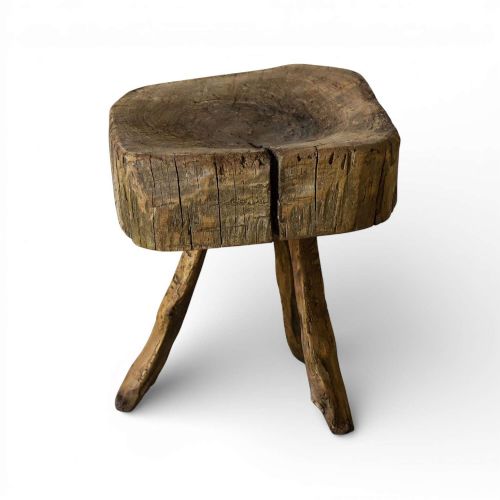
Industrial variations incorporated cast iron frames, as seen in workshop seating, while other examples integrated brass fixtures or silk upholstery. Vernacular pieces often rely on gnarled natural branches for legs, highlighting unpretentious rural craftsmanship.
Listings feature elm combined with oak, beech, ash, silk, and brass across periods spanning the eighteenth to the twentieth centuries.
Assessing quality
Quality rests in the figure of the timber and the integrity of the original joints rather than smooth perfection. A well-carved edge or a deeply burr-marked top distinguishes a finer Georgian piece from a basic utility seat.
Original surfaces and unaltered patination separate superior examples from heavily restored ones. The balance between the timber seat and its support structure dictates the overall visual success of the piece.
Singer
The Elm Wood Stool Glossary
- Close stool
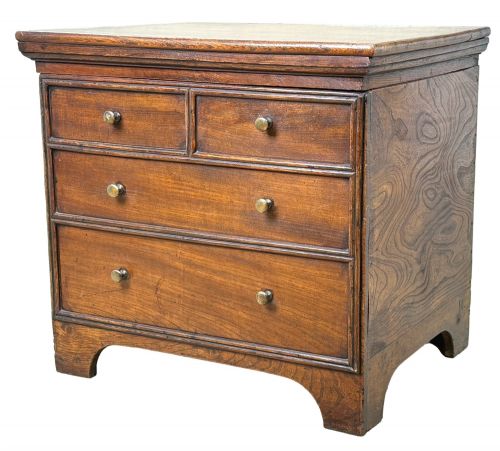
- A piece enclosing a chamber pot, often disguised as a small bedside chest or cabinet. These items reveal clever domestic engineering from earlier centuries.
- Milking stool
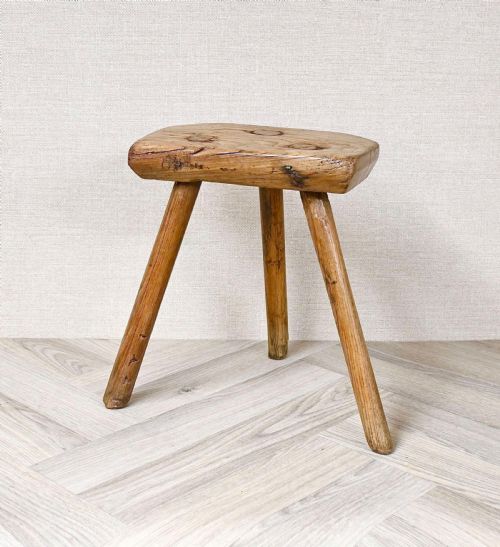
- A simple, three-legged seat designed for agricultural labour. Their rustic charm makes them popular decorative accents today.
- Windsor
- A style characterised by spindles inserted into a solid wooden seat. This construction method offers robust durability.
- Vernacular
- Architecture or objects built by local craftspeople using traditional methods and regional materials. These items reflect the practical needs of their original setting.
- Live edge
- A furniture style that incorporates the natural outer edge of the tree into the design. This highlights the organic form of the timber.
Elm Wood Stool: Frequently Asked Questions
How old is my elm wood stool?
Dating relies on examining tool marks, timber shrinkage, and structural wear beneath the seat. Georgian and Victorian examples show distinct hand-tool signatures compared to later industrial production.
Secondary woods used in the legs and stretchers also provide clues to the period and regional workshop origin.
Can I use these stools daily?
Most historic stools remain structurally sound for regular seating if the joints stay tight and stable. Solid elm provides a remarkably durable surface that withstands everyday household use.
Lighter footstools or delicate antique variants suit decorative placement rather than heavy weight.
How do I care for elm timber?
Maintain the wood by applying a natural beeswax polish occasionally to preserve the dry, patinated surface. Avoid placing wooden furniture near direct heat sources to prevent the grain from splitting.
Clean surfaces gently with a soft, dry cloth rather than harsh liquid detergents.
What is a close stool?
A close stool is an antique enclosed seat that conceals a chamber pot within a cabinet structure. Eighteenth-century versions often resemble small bedside chests or decorative tables.
Craftspeople built these ingenious pieces to provide discreet convenience before modern plumbing.