
Elm Wood Chairs
Elm wood chairs bring sturdy vernacular character to a room, uniting solid timber seats with slender turned spindles.
Elm Wood Chairs
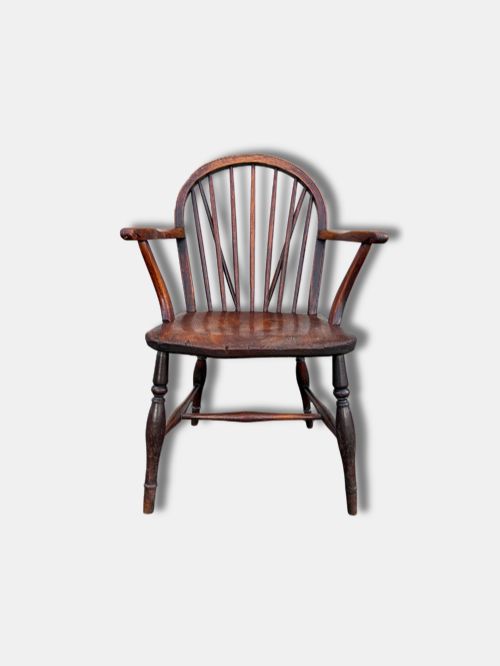
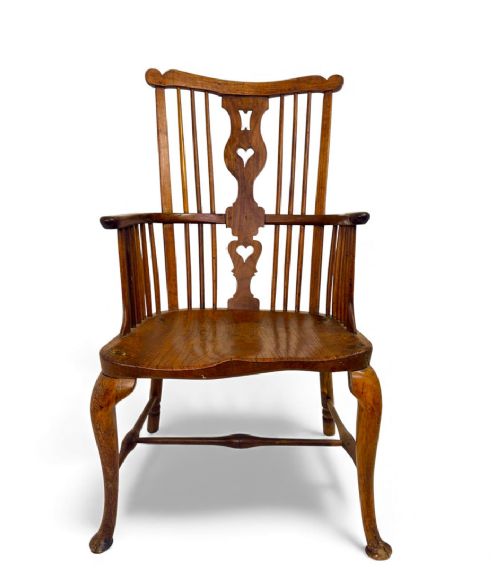
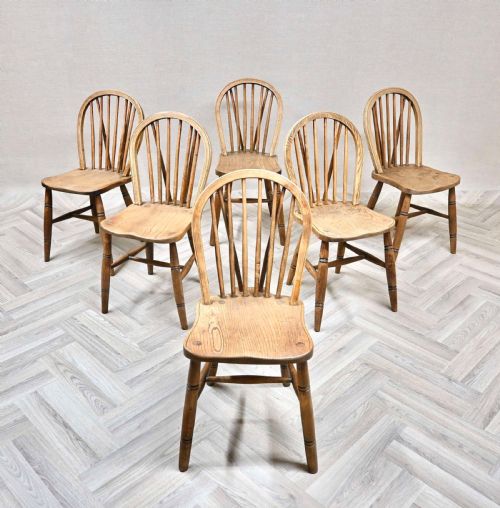
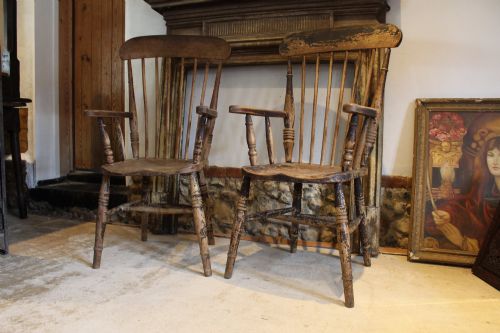
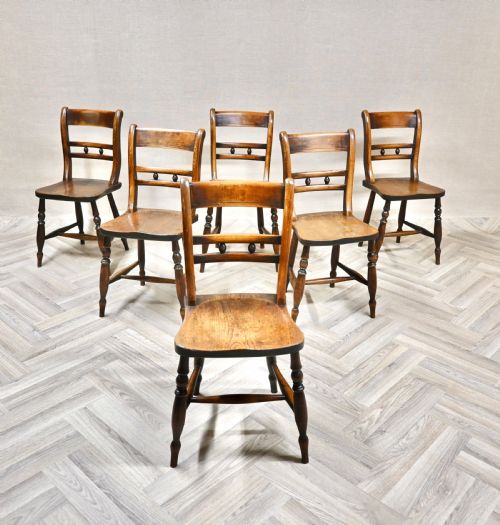
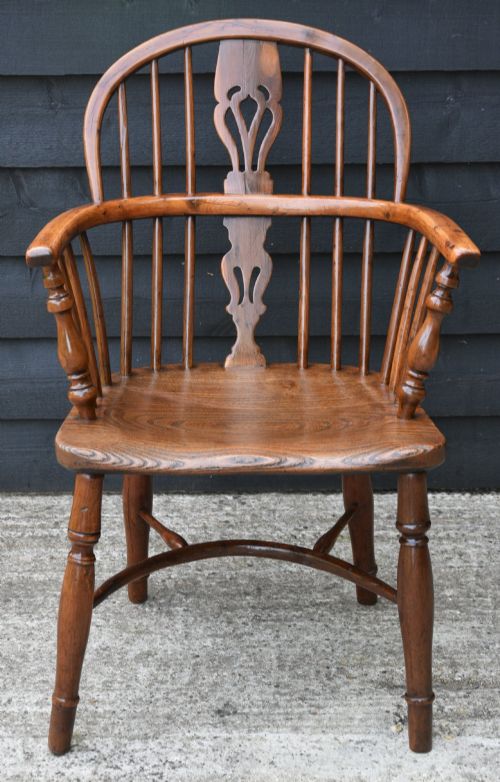
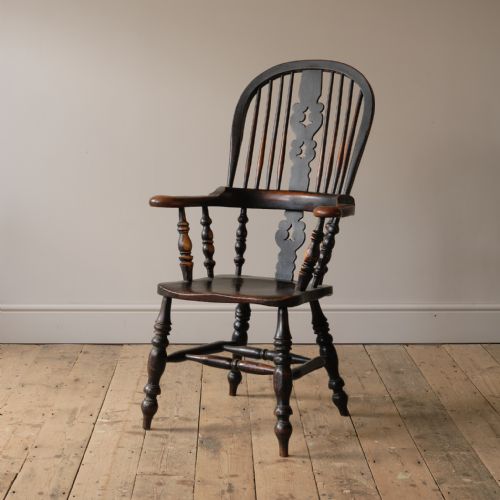
Elm wood chairs encompass a robust family of domestic seating, ranging from low kitchen armchairs to high-backed Windsor designs. When searching for elm wood chairs, buyers most frequently encounter nineteenth-century English country examples featuring comb backs, wheel backs, or bar backs.
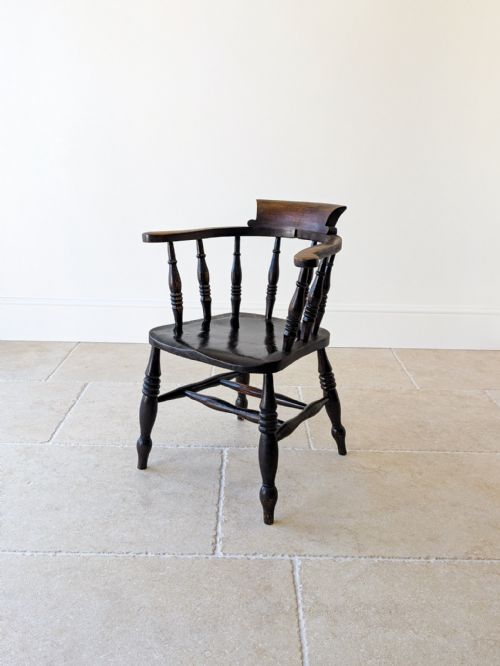
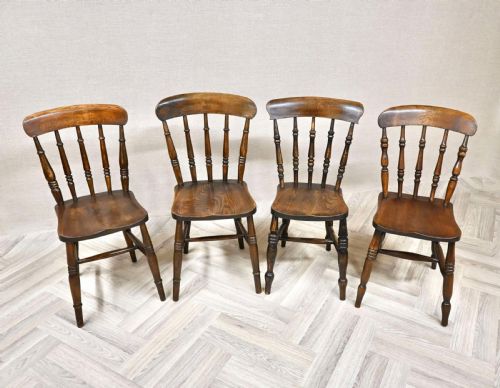
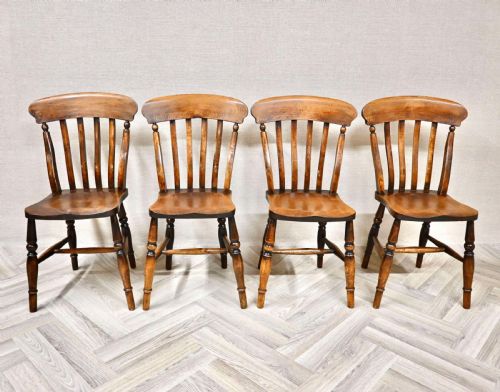
Makers shaped these pieces for daily utility in farmhouses, cottages, and provincial dining rooms. Regional workshops produced variations such as the Thames Valley armchair, the High Wycombe kitchen chair, and the Captain's desk chair.
The material's natural resistance to splitting made it the primary choice for solid saddle seats. Cabinetmakers paired this tough timber with bent ash bows and turned beech spindles to construct resilient domestic furniture.
Materials and Construction
Traditional makers selected elm for the solid seat plank because its interlocking grain resisted splitting under heavy use. They combined this with ash for flexible steam-bent bows and armrests, utilising the wood's natural elasticity.
Turned components like spindles, legs, and stretchers typically relied on beech or yew, shaped on a pole lathe. Master carpenters joined these diverse timbers using wedge-tenon joints, securing the uprights firmly into the carved seat base.
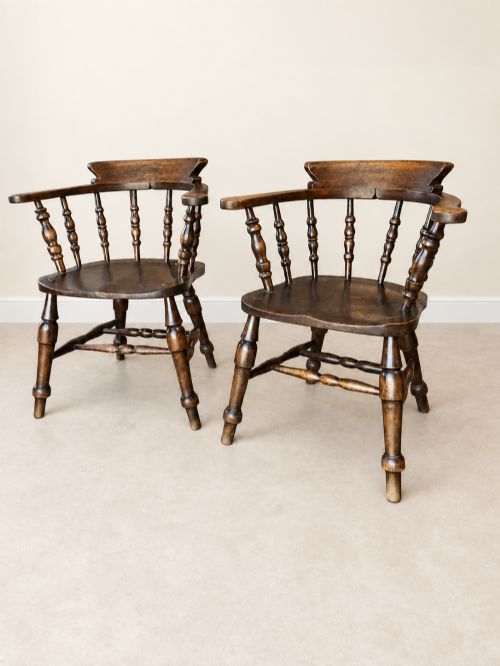
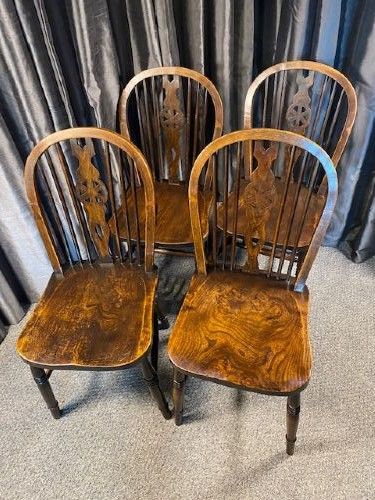
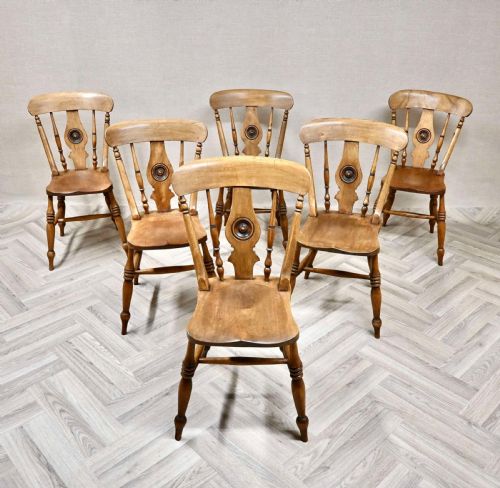
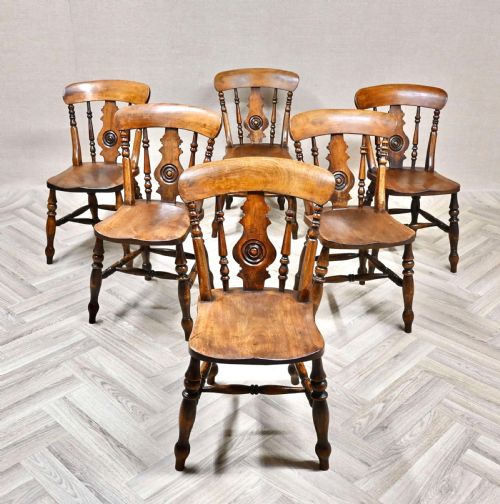
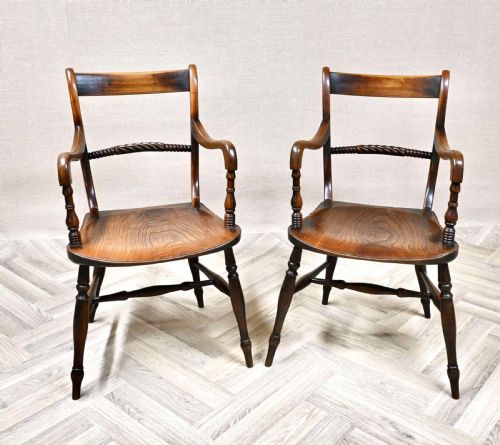
The inventory records vernacular forms including wheel backs, Captain's chairs, and low Windsor armchairs.
Evaluating Quality and Finish
Quality rests upon the depth of the sculpted saddle seat and the grace of the steam-bent back bow. Superior examples display balanced proportions, retaining their original timber surface without excessive sanding.
The integrity of the construction dictates longevity, particularly where legs and spindles meet the solid seat block. Pieces that preserve an authentic period patina show minimal timber replacement and honest wear.
J Spencer
The Elm Wood Chairs Glossary
- Windsor chair
- A wooden chair built with a solid sculpted seat into which the legs and back spindles are directly fitted. This construction method creates a sturdy, lightweight frame characteristic of country vernacular furniture.
- Smokers bow
- A low-backed Windsor armchair designed for domestic comfort, often featuring a continuous curved armrail. These chairs served as reliable seating in nineteenth-century parlours and reading rooms.
- Comb back
- A Windsor chair style where the central spindles rise through a flat headboard resembling a dressing comb. This tall superstructure provides robust upper back support.
- Splat back
- A chair featuring a central vertical wooden slat or plate set into the backrest, frequently pierced for decoration. Cabinetmakers shaped these splats to introduce formal stylistic elements into provincial dining chairs.
- Patina
- The deep surface sheen developed on old wood through decades of handling, polishing, and natural oxidation. A desirable patina confirms genuine age and careful maintenance.
Elm Wood Chairs: Frequently Asked Questions
What is a Windsor chair?
A Windsor chair is a form of seating characterised by a solid wooden seat that holds the legs and back spindles. The design relies on turned components and steam-bent wood rather than a rigid joined frame.
These pieces were produced across various English regions, adapting local timbers to create robust domestic furniture suitable for everyday use.
How do I identify an elm seat?
Elm timber displays a distinctive, highly figured interlocking grain pattern that often curves and swirls across the surface. This tough structure prevented the solid wooden seats from cracking under continuous weight.
Inspectors look for the characteristic warm brown tone and natural texture beneath the surface finish to confirm the timber species.
Where were these chairs used?
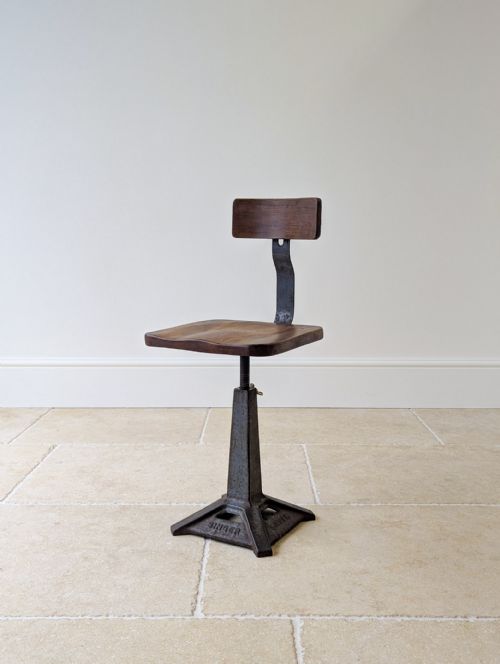
These chairs served primarily in provincial farmhouses, country cottages, and kitchens for daily dining and domestic work. Sturdy commercial variants also appeared in offices, inns, and drafting rooms.
Their practical construction made them versatile additions to both working spaces and informal living areas.
How do I care for antique elm?
Maintain elm furniture by keeping it away from direct heat sources and sudden humidity changes that can dry the timber. Dust the surface regularly with a soft dry cloth to protect the historic finish.
Applying occasional neutral beeswax helps nourish the wood without building up heavy chemical layers.