

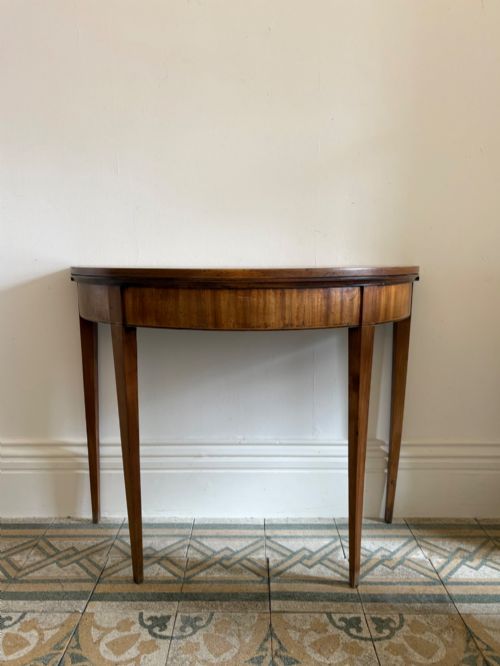
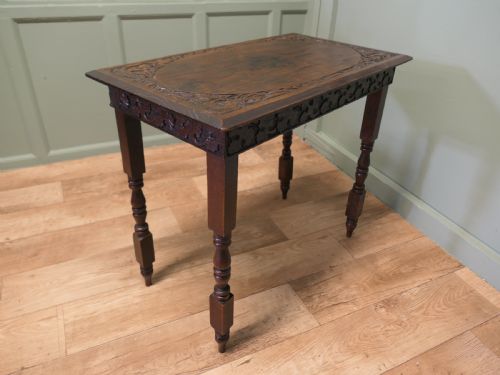
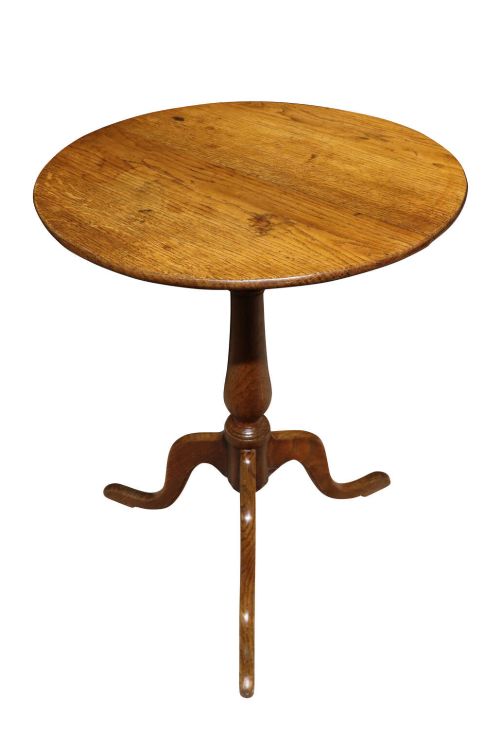
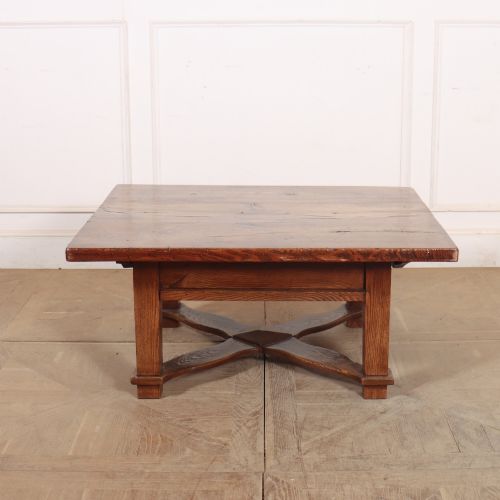
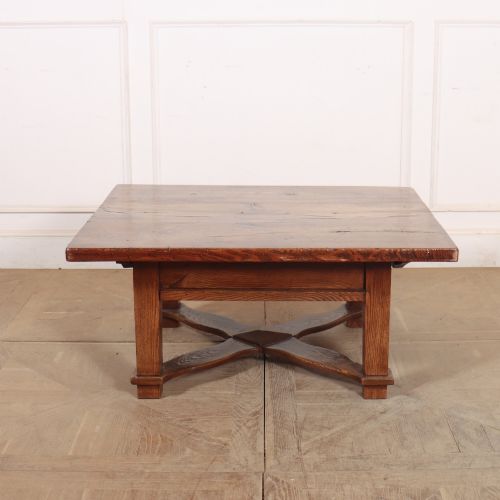


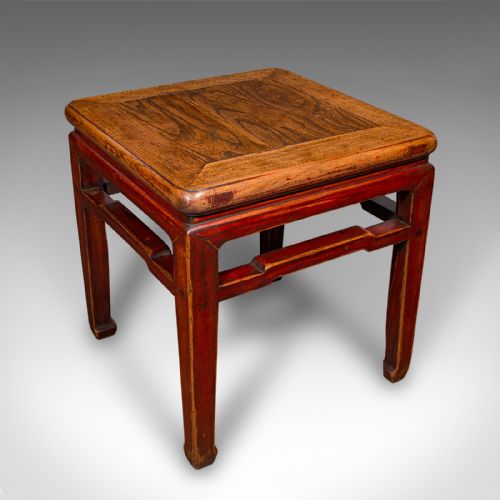
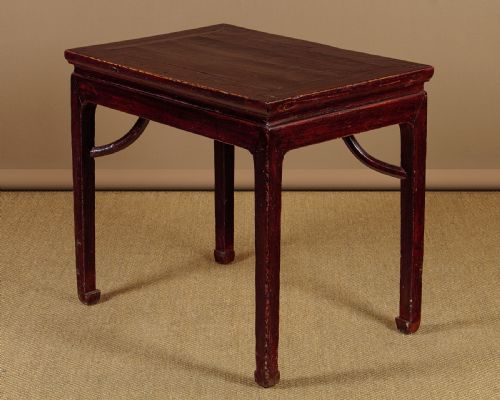


Elm Tea Table
An elm tea table brings organic warmth and sturdy utility to a room, offering rich grain patterns across diverse global forms.
Elm Tea Table
Domestic and international traditions meet in these listings, showing how cabinetmakers from Georgian Britain to Qing Dynasty China and Swedish studios utilised the distinct character of the timber. Whether searching for a rustic country work surface or a refined Swedish art deco piece, the core material remains a durable, figured hardwood.
Assessing quality and character
Quality in an elm tea table rests upon the visual impact of the wood grain and the integrity of the joinery. Tables featuring well-figured burr elm or deep patination achieved through decades of use command greater appreciation among collectors.
Construction methods distinguish everyday utilitarian pieces from finer cabinetwork. Robust mortise and tenon joints, stable tripod bases, and carefully balanced proportions indicate the skill of the original maker.
Elm Tea Table Retail Price Guide 2026
Typical asking prices for elm tea table among the pieces listed under this phrase on Sellingantiques today, from the lower quarter to the upper quarter. They describe what is for sale here now, not the wider market.
Tree-worship was common among ancient Britons, who viewed elm as a portal to the underworld, unaware it would one day furnish our tea tables.
The Elm Tea Table Glossary
- Burr elm
- A growth distortion on the tree that produces intricate, swirling grain patterns. This highly decorative wood is frequently utilised on table tops to create visual depth.
- Teapoy
- A small box-like table originally designed to hold tea canisters. Nineteenth-century examples often feature lidded compartments and sturdy pedestal bases.
- Demi-lune
- A half-moon shape commonly applied to console and tea tables designed to stand flat against a wall. Georgian makers frequently employed this format for serving tea.
- Chabudai
- A traditional low table used in Japan for partaking in meals or drinking tea while kneeling on tatami mats. These pieces sit close to the floor and reflect minimalist construction.
- Tripod table
- A piece of furniture supported by a central pillar resting on three legs. Eighteenth-century versions often include tilt-top mechanisms for convenient storage.
Elm Tea Table: Frequently Asked Questions
How do I use a low elm tea table?
Low tables function effectively as coffee tables in living spaces, providing a sturdy surface for books and decorative objects.
Asian and Japanese low forms work well in contemporary interiors for seating arrangements close to the floor.
Are these tables suitable for everyday use?
Elm is a notoriously tough and resilient hardwood that withstands regular daily handling.
Using coasters and placemats helps protect the historic polish and timber from moisture and heat marks.
How do I date an elm table?
Stylistic clues such as Georgian cabriole legs, Regency pedestals, or Victorian turning indicate the period of manufacture.
Construction marks, tool traces, and the depth of the timber's patina offer further evidence of age.
What is the difference between a teapoy and a tea table?
A tea table typically provides an open surface for pouring tea and displaying porcelain.
A teapoy functioned historically as a small cabinet or chest mounted on a pillar to store loose tea leaves securely.