



Elm Storage Cupboard
An elm storage cupboard brings domestic warmth through rich grain figures, offering sturdy everyday utility across centuries of regional craft.
Elm Storage Cupboard
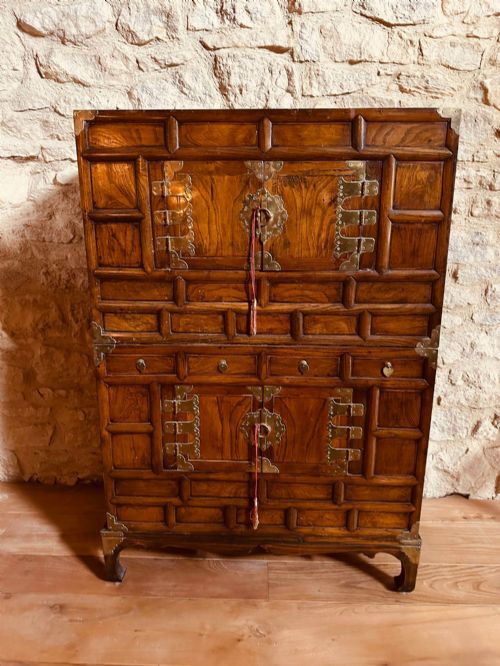
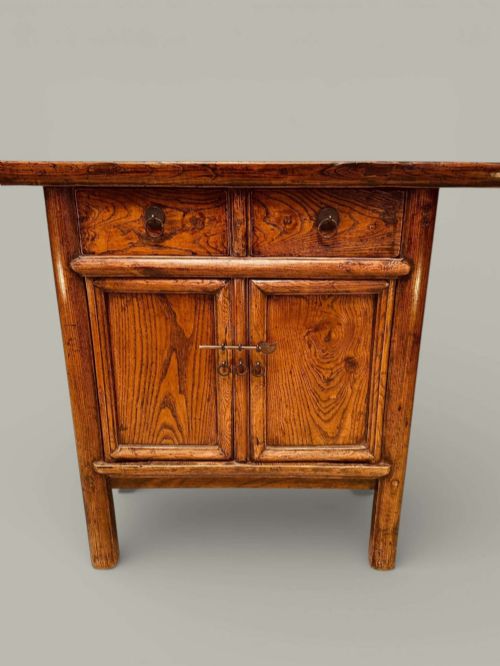
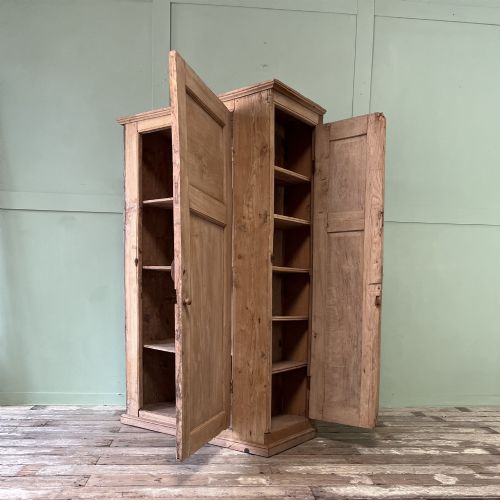
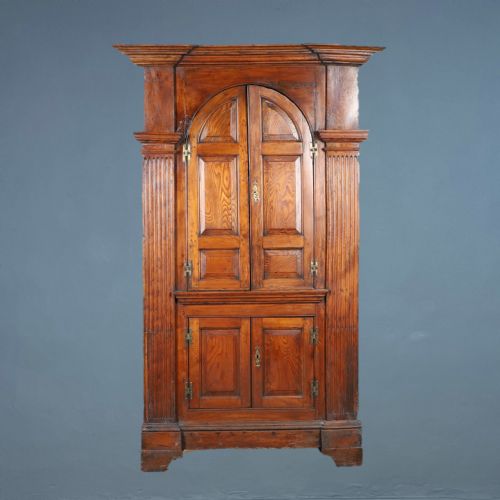
An elm storage cupboard represents a diverse family of utilitarian furniture spanning domestic English vernacular pieces, Welsh food cupboards, and continental European work alongside Asian cabinet-making traditions. Buyers exploring this phrase encounter everything from standing corner cabinets and court cupboards to low sideboards, noodle cabinets, and modular tansu chests.
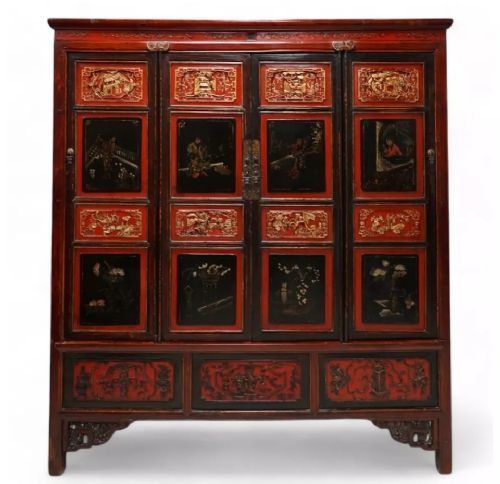
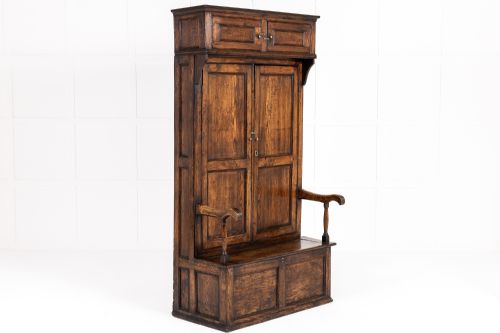
The versions most frequently met on this page combine straightforward timber construction with regional utility, ranging from Georgian vernacular furniture to nineteenth-century Chinese marriage cabinets. These forms serve as practical storage solutions while displaying the distinct character of elm timber.
Makers across different continents utilised elm for its toughness and distinctive grain pattern, resulting in pieces that vary from utilitarian kitchen storage to sophisticated lacquered furniture. Each example demonstrates how different cultures solved domestic storage requirements using timber harvested from their local environments.
What varies in quality
Quality rests in the selection of timber figures, where burr elm or highly figured grain elevates a standard utility piece into a work of decorative art. The handling of secondary timbers and the integrity of the joinery distinguish vernacular workshop output from finer cabinet-maker production.
The preservation of original surface treatments, whether clear wax finishes, applied lacquer, or patinated metal hardware, defines the integrity of surviving examples. Structural proportions and the balance between decorative detailing and utilitarian function guide the assessment of each piece.
Elm Storage Cupboard Retail Price Guide 2026
Typical asking prices for elm storage cupboard among the pieces listed under this phrase on Sellingantiques today, from the lower quarter to the upper quarter. They describe what is for sale here now, not the wider market.
Some nineteenth-century noodle cabinets feature sliding doors designed specifically to keep midnight snacks away from remarkably clever household mice.
The Elm Storage Cupboard Glossary
- Burr elm
- A growth distortion in the elm tree that produces highly figured, swirling grain patterns highly prized for cabinet fronts and decorative panels.
- Court cupboard
- A traditional English enclosed piece of furniture featuring multiple tiers, used historically for storing food and displaying plate.
- Tansu
- A traditional Japanese mobile storage chest built with integrated iron hardware, designed for versatility and domestic organisation.
- Marquetry
- The art of applying decorative veneer pieces to a structural surface to create pictorial patterns or geometric designs.
- Vernacular furniture
- Domestic pieces made by local craftspeople using regional materials, prioritizing utility and traditional local styles over high-fashion trends.
Elm Storage Cupboard: Frequently Asked Questions
How do I care for an antique elm cupboard?
Maintain a stable room environment away from direct heat sources and strong sunlight to prevent the timber from drying out or splitting. Apply a neutral beeswax periodically to nourish the surface and preserve the natural patina of the wood.
Avoid using modern chemical sprays or silicone polishes, which can degrade historic finishes over time. Gentle dusting with a soft dry cloth is sufficient for routine upkeep.
Can I use an antique cupboard in a modern kitchen?
These storage pieces integrate naturally into contemporary spaces, offering generous interior capacity for dinnerware, linens, or pantry items. Their varied regional designs allow them to serve as focal points in dining rooms, living areas, or hallways.
Ensure floor levels are even when positioning heavier timber furniture, and utilise internal shelf adjustments carefully where fitted to accommodate modern storage needs.
How do I distinguish regional styles of elm cupboards?
European vernacular pieces often display architectural cornices, panelled doors, and traditional regional mouldings rooted in Georgian or provincial traditions. Asian cabinets frequently feature distinct framing, prominent brass hardware, and specialised internal compartments tailored for specific domestic uses like food preparation.
Examining the construction methods, secondary woods, and surface finishes helps determine the geographic origin and period of each individual piece.