





Elm Footstool
An elm footstool brings honest timber and vernacular utility into a room, offering low seating shaped by centuries of English and regional craftsmanship.
Elm Footstool
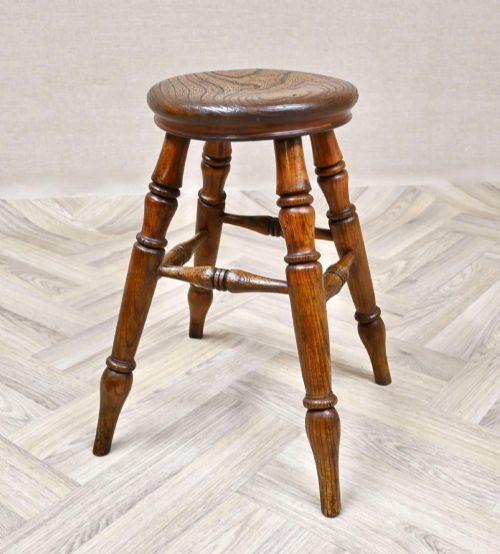
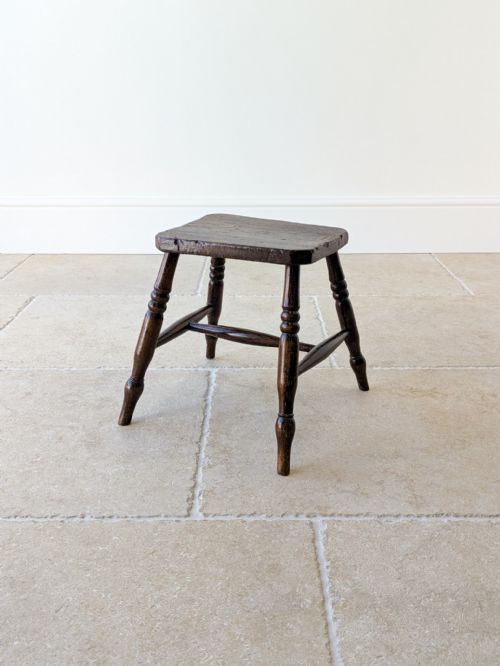
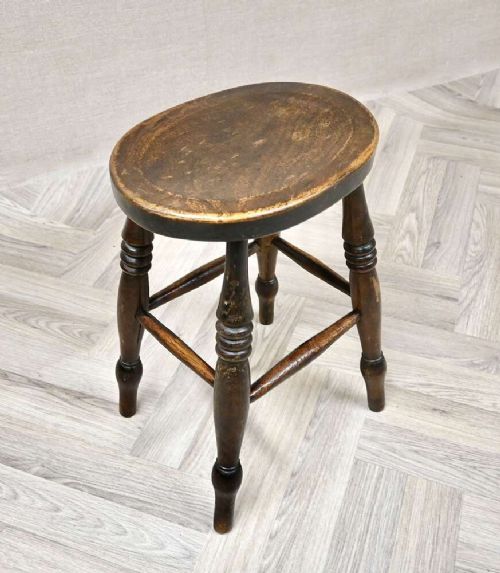
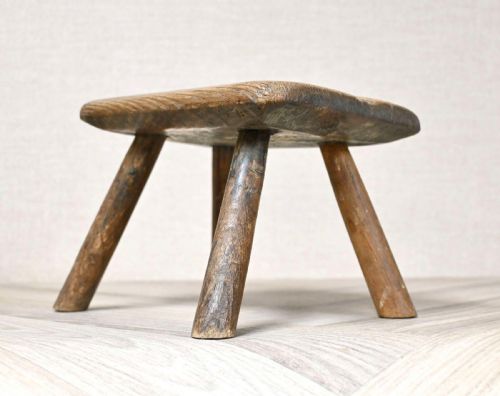
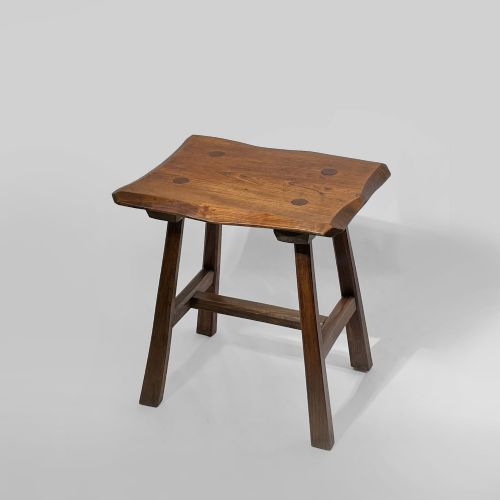
An elm footstool embodies the practical utility of traditional country furniture, serving as a low seat or rest for weary feet after a long day. When you search for an elm footstool, you encounter pieces shaped by hands that worked primarily with domestic hardwoods and softwoods.
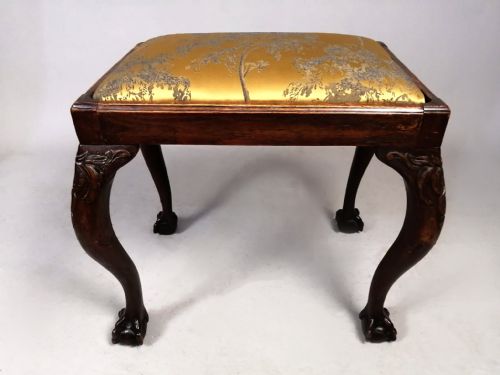
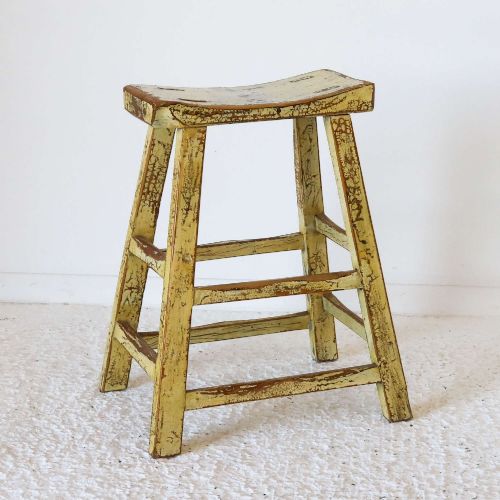
The pieces on this page span several centuries, reaching from the eighteenth century through the Victorian and Edwardian eras. You will meet forms ranging from simple milking stools and hearth benches to Chinese provincial lacquer work and carved George II Irish examples.
Most entries lean towards provincial and rustic vernacular traditions, where the grain of the wood dictates the character of the object. These items reflect everyday domestic life across Britain and beyond, rather than the formal formality of urban drawing rooms.
How they were made
Makers relied on solid elm for the tops, prized for its interlocking grain that resisted splitting under heavy use. Beech and oak frequently appeared in the legs and stretchers, providing sturdy framing for the softer timber above.
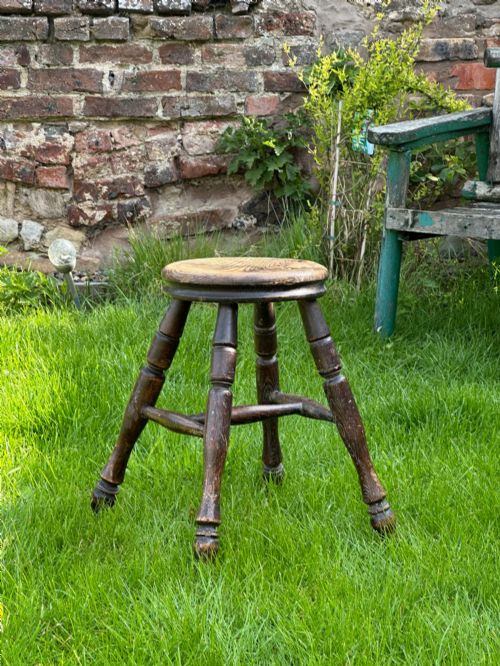
Construction techniques typically involved simple pegged mortise and tenon joints, or legs wedged directly into bored seats in the manner of Windsor chairs. Surfaces were left plain or finished with early lacquer, allowing the natural figuring of the timber to dominate.
Elm Footstool Retail Price Guide 2026
Typical asking prices for elm footstool among the pieces listed under this phrase on Sellingantiques today, from the lower quarter to the upper quarter. They describe what is for sale here now, not the wider market.
What varies in quality
The quality of an elm footstool rests largely in the depth of figure within the timber and the harmony of its proportions. A piece with well-turned legs and a thick, characterful slab top commands attention through sheer presence rather than applied decoration.
Wear shows the honesty of use, but the integrity of the joints determines whether a stool remains solid. Finer examples, such as carved Irish period pieces or crisply turned Windsor formats, display greater attention to the refinement of edges and foot details.
The Elm Footstool Glossary
- Vernacular
- Everyday furniture made by regional craftsmen for local use rather than high-style metropolitan workshops. These pieces prioritise function and local materials above prevailing court fashions.
- Windsor
- A style of seating construction where legs and spindles are fitted directly into a solid wooden seat rather than a frame. This method creates a resilient and enduring structure.
- Milking stool
- A small, portable seat traditionally used by agricultural workers during dairy tasks. They usually feature three legs for stability on uneven farm floors.
- Hearth stool
- A low, wide bench designed to sit near an open fire for warmth or informal seating. They often accommodate heavier timber tops to withstand proximity to heat.
- Figuring
- The natural pattern and grain arrangement visible in cut timber. Elm is particularly noted for its swirling, interlocking patterns that catch the light.
Elm Footstool: Frequently Asked Questions
What is an elm footstool used for?
These pieces served practical roles in domestic and agricultural settings, from resting feet near the hearth to providing a low seat for household chores. Today, they function well as decorative low tables or functional seats in smaller spaces.
Their robust construction means they easily tolerate daily use, bringing a touch of historical texture to modern interiors without demanding delicate handling.
How do I date an antique stool?
Dating relies on observing tool marks, timber shrinkage, construction methods, and the style of the turnings on the legs. Eighteenth-century examples often display deep patination and hand-adzed surfaces, while Victorian and Edwardian pieces show more uniform machining.
Comparing the wear patterns around the foot joints and the species of secondary woods provides further clues to the era of manufacture.
Are these stools comfortable for daily seating?
Most antique footstools were built for specific utilitarian tasks rather than long periods of lounging, so their wooden tops are firm. They make excellent perches for brief tasks or supportive rests for legs when paired with an armchair.
Adding a small cushion can soften the surface if you plan to use them as extra seats during gatherings.
How should I care for antique elm?
Elm responds best to a stable indoor environment away from direct heat sources and sudden humidity changes. An occasional application of traditional beeswax helps nourish the dry timber and maintain its natural lustre.
Avoid modern liquid polishes containing silicone, which can penetrate open grain and build up a cloudy residue over time.