






Elm Cottage Chair
An elm cottage chair brings honest vernacular utility into a room, offering sturdy wooden construction rooted in centuries of rural British craftsmanship.
Elm Cottage Chair
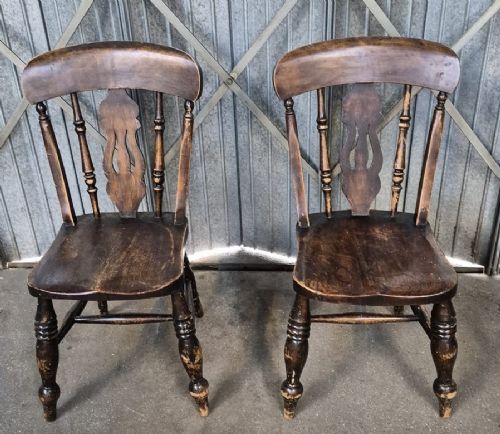
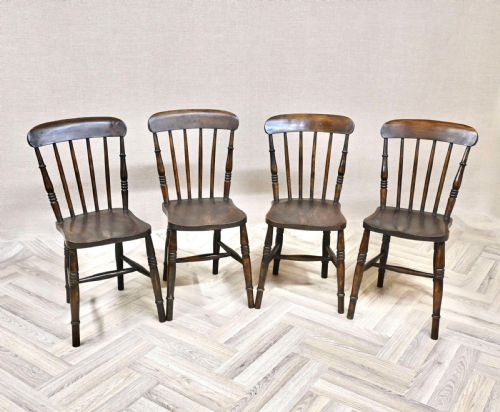
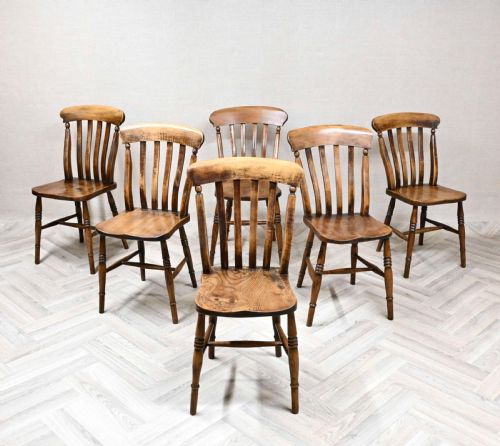
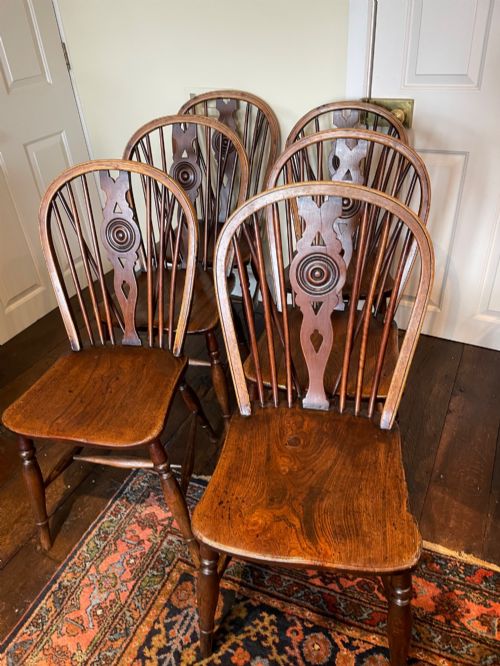
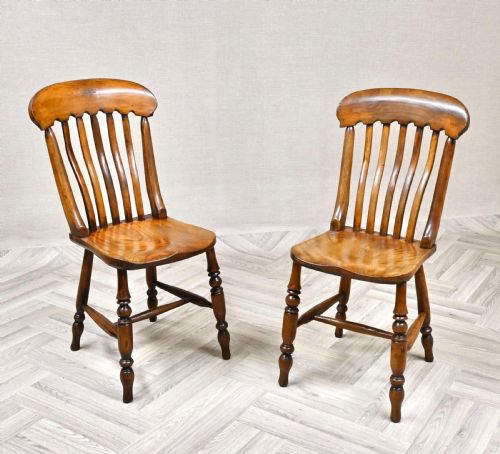
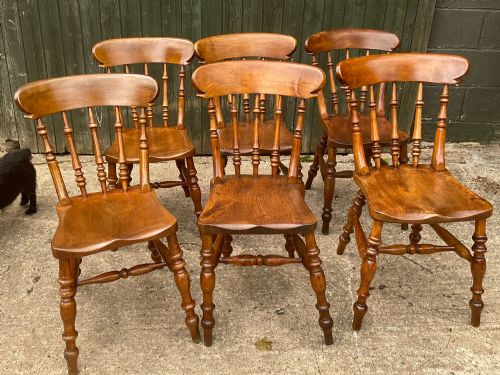
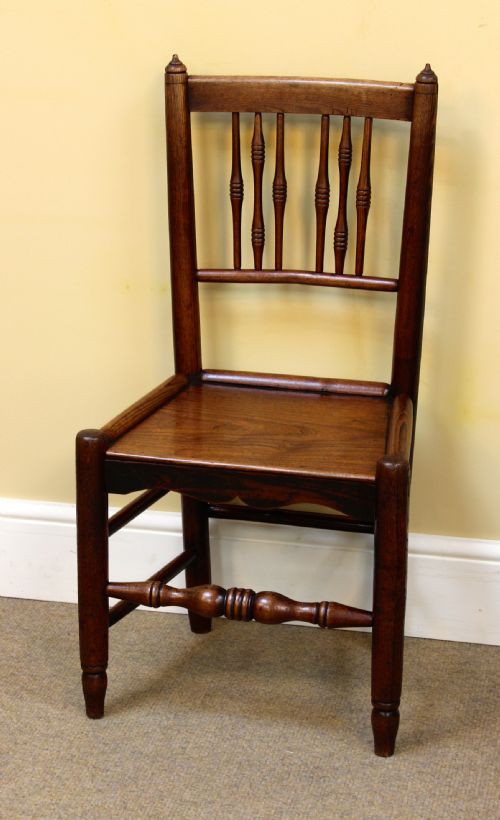
The elm cottage chair sits firmly within the tradition of English country furniture, taking forms such as Windsor lathbacks, stick backs, and spindlebacks designed for daily domestic use. These pieces emerge predominantly from the nineteenth century, including Victorian examples alongside earlier eighteenth-century survivors.
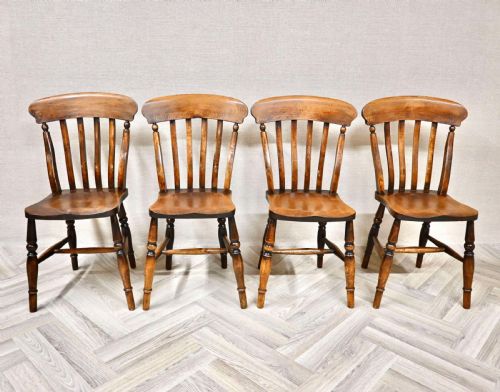
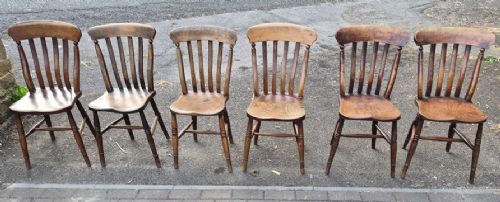
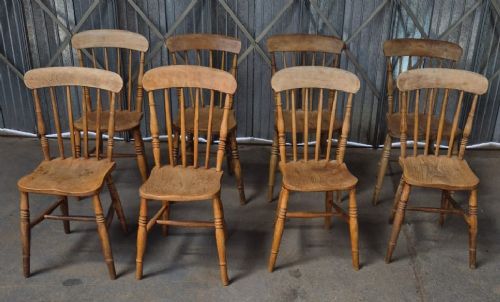
Buyers meet these chairs in various formats, ranging from single farmhouse seats and pairs to matched sets of six or eight suitable for dining rooms. Variations include rocking chairs, nursing chairs, armchairs, captain chairs, and stools with solid wood or rush seats.
Origins span regional vernacular workshops, notably encompassing Thames Valley traditions and specific locations like Worksop and Caistor. The aesthetic aligns with rustic farmhouse and country styles rather than formal urban cabinet making.
What varies in quality
Quality rests on the integrity of the timber selection and the precision of the joinery uniting the disparate woods. Superior examples maintain tight joints between the elm seat and the turned spindles without excessive movement.
The sculptural depth of the seat carving and the grace of the back bows distinguish workshop output. Harlequin and matched sets vary in how closely individual chairs align in turning profile and timber patina.
Elm Cottage Chair Retail Price Guide 2026
Typical asking prices for elm cottage chair among the pieces listed under this phrase on Sellingantiques today, from the lower quarter to the upper quarter. They describe what is for sale here now, not the wider market.
Listings feature eighteenth and nineteenth-century forms including Thames Valley stick backs, Worksop models, and rush seat stools in elm, ash, and beech.
Worksop Allsop·Caistor
The Elm Cottage Chair Glossary
- Lathback
- A Windsor chair variant featuring a flattened wooden slat down the centre of the backrest instead of thin spindles.
- Thames Valley
- A regional style of nineteenth-century chair making known for crisp turnings and generous elm seats.
- Rush seat
- A seating surface woven from dried marsh plants, commonly found on eighteenth and nineteenth-century country chairs.
- Harlequin set
- A collection of chairs closely matched in style and period rather than born from a single original workshop batch.
Elm Cottage Chair: Frequently Asked Questions
Are elm cottage chairs comfortable for daily dining?
Most feature deeply saddled wooden seats shaped to fit the body over long periods. Adding loose squabs or cushions provides extra softness for extended sitting.
Their sturdy timber frames handle regular household use without losing structural integrity.
How do I care for a rush seat?
Keep rush seating dry and clean by brushing it gently to remove dust from the woven fibres. Avoid placing chairs in damp areas or direct sunlight that dries out the natural material.
Occasional light treatment helps maintain the strength of historic rush work.
Can I mix different chair styles around a table?
Harlequin sets and matched groups demonstrate that mixing country chairs of similar periods was standard practice in period homes. Variations in turning and back design add visual character to a dining space.
Matching the approximate seat height and wood tone helps unify the arrangement.
What is the difference between stick back and lathback chairs?
Stick back chairs use multiple slender turned spindles to support the upper curved bow of the backrest. Lathback versions substitute a broader wooden slat for several central spindles.
Both styles derive from nineteenth-century rural vernacular woodworking traditions.