


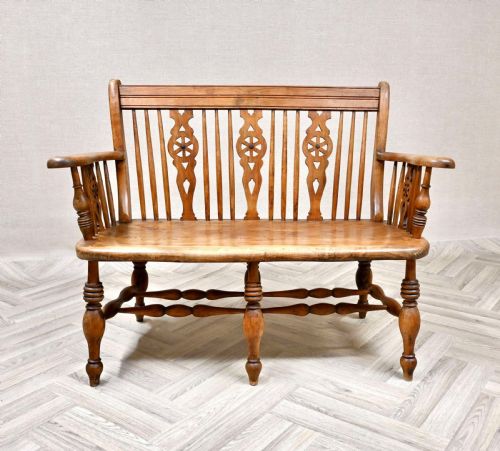
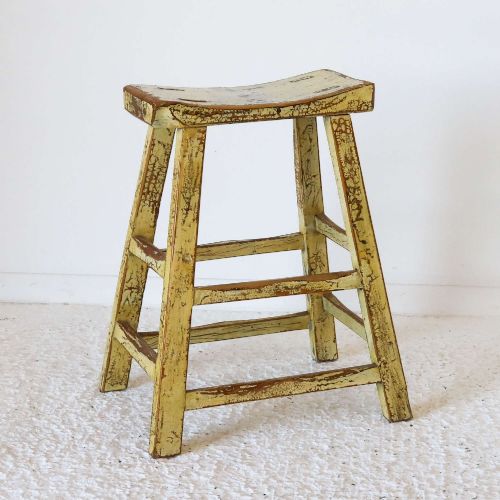


Elm Bench Seat
An elm bench seat brings honest domestic history to a hallway or kitchen, offering tactile warmth through robust native timber.
Elm Bench Seat
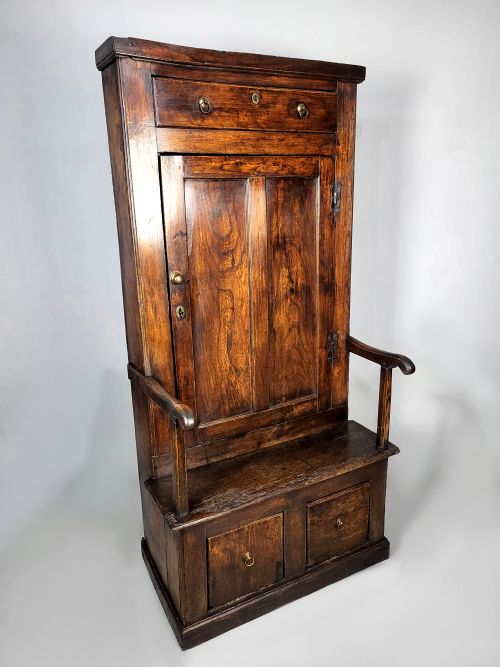
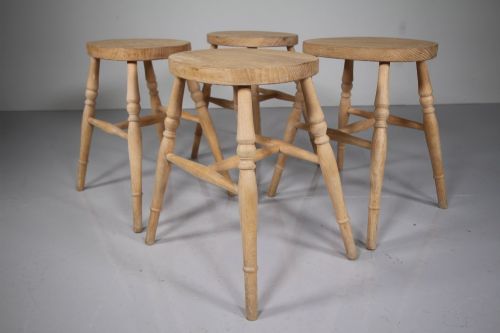
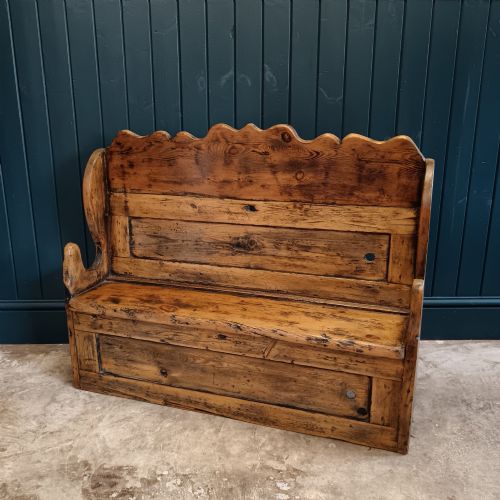
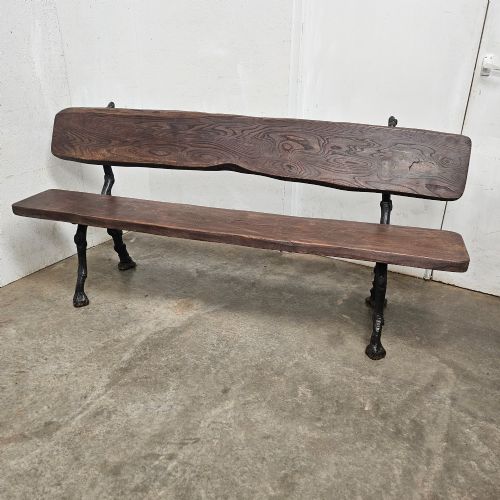
An elm bench seat is a utilitarian seating form shaped by rural tradition, spanning long hallway benches, settle variations with storage boxes, and compact provincial stools. You will regularly encounter nineteenth-century pieces alongside eighteenth-century examples and vernacular Chinese designs.
The heavier forms include high-backed bacon settles and tavern box panelled settles, while lighter versions appear as long narrow planks or window seats.
Makers ranged from English country joiners to provincial Chinese workshops, employing styles from rustic farmhouse and Georgian to Reformed Gothic.
Materials and construction
Elm provides the primary seating surface due to its interlocking grain and resistance to splitting, frequently paired with oak frames, pine stretchers, ash supports, and occasional iron work.
Joinery relies on pegged mortise and tenon joints, Windsor-style spindle insertions, and solid board construction designed to endure heavy daily use in farmhouses and provincial homes.
Surfaces show various finishes, from scrubbed bare timber and dark wax patination to original lacquer on Chinese provincial pieces.
Elm Bench Seat Retail Price Guide 2026
Typical asking prices for elm bench seat among the pieces listed under this phrase on Sellingantiques today, from the lower quarter to the upper quarter. They describe what is for sale here now, not the wider market.
Several settles preserve deep box compartments once dedicated to curing winter bacon above the reach of household mice.
Qualities of distinction
Quality rests in the depth of timber figure and the integrity of the original structure, where surface wear comes from centuries of touch rather than modern intervention.
Superior examples display balanced proportions, undisturbed patination, and robust joinery that retains its original pegs and bracing without excessive timber replacement.
The Elm Bench Seat Glossary
- Settle
- A wooden bench with a high back and solid arms designed to block draughts in older homes. Many incorporate a storage box beneath the seat.
- Bacon settle
- A specialised tall wooden seat featuring internal compartments traditionally used for curing and storing meat above the floor.
- Form
- A traditional long wooden bench without a backrest, commonly used in kitchens and rustic dining arrangements.
- Windsor
- A construction method where turned legs and spindles are wedged directly into a thick solid wooden seat rather than a framed base.
- Patina
- The deep sheen and surface character developed on timber through decades of handling, cleaning, and exposure to wax and light.
Elm Bench Seat: Frequently Asked Questions
Where should I place an elm bench seat?
These pieces suit narrow hallways, boot rooms, and farmhouse kitchens where their shallow depth and robust construction handle daily passage.
They also function effectively at dining tables or beneath windows, adding practical seating without visual heaviness.
How do I care for antique elm timber?
Maintain the wood by applying traditional beeswax sparingly and buffing gently with a soft cloth to preserve the natural surface.
Keep the timber away from direct heat sources and rapid humidity changes to prevent movement in the boards.
What is the difference between a settle and a bench?
A settle incorporates a solid high back and enclosed sides designed to shield occupants from draughts in unheated rooms.
A bench is a simpler open form with or without a low back, intended for flexible seating rather than shelter.
How can I tell an eighteenth-century piece from a nineteenth-century one?
Earlier pieces from the seventeen-hundreds often exhibit hand-rived timber, broader single-board seats, and pegged construction methods unique to manual tools.
Later nineteenth-century examples frequently show standardised mechanical sawing marks and tighter, more uniform turnings on the legs.