




Elizabethan Carved Coffer
An elizabethan carved coffer is a robust domestic container of sturdy timber built to secure valuables, holding centuries of English history within its panels.
Elizabethan Carved Coffer
When you search for an elizabethan carved coffer, you are looking at substantial storage furniture built during the sixteenth century and its subsequent revival periods. These pieces serve primarily as heavy chests and coffers designed for domestic security and storage.
The versions you are most likely to meet on this page range from authentic sixteenth-century plank and boarded chests to later nineteenth-century Elizabethan Revival interpretations. Regional variations include examples originating from Wales and the West Country.
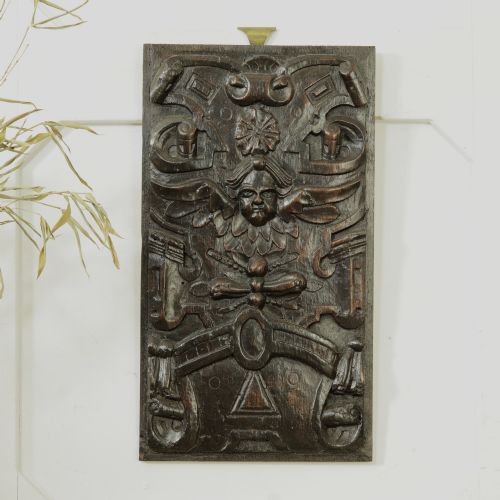
Forms extend beyond standard chests to encompass smaller box stools and occasional tables, alongside high-relief carved oak panels. These objects display styles spanning Tudor, Elizabethan, and Jacobean aesthetics.
Materials and construction
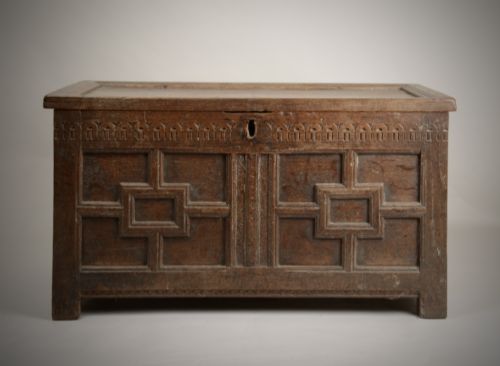
Construction relies heavily on sturdy native timber, with oak forming the primary structure of these chests and panels. Joinery often employs traditional plank and boarded techniques alongside panelled frames.
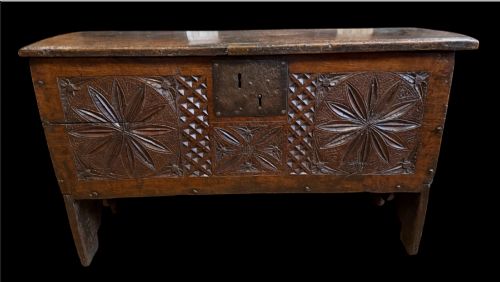
Decorative detailing is achieved through manual carving directly into the wood, frequently utilising high-relief techniques. Additional detailing incorporates fruitwood inlay and wrought iron hardware.
Makers utilised durable local woods suited to domestic utility, ensuring the structural integrity of the storage chests remained robust over centuries of use.
Elizabethan Carved Coffer Retail Price Guide 2026
Typical asking prices for elizabethan carved coffer among the pieces listed under this phrase on Sellingantiques today, from the lower quarter to the upper quarter. They describe what is for sale here now, not the wider market.
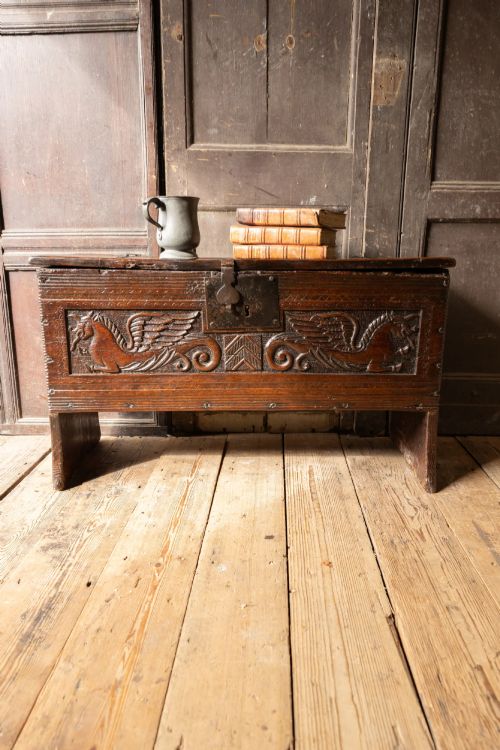
Some sixteenth-century panels feature carved winged fantastic beasts, keeping watch over your spare blankets for the last four hundred years.
Judging quality in early storage furniture
Quality reveals itself in the depth, crispness, and complexity of the carved ornamentation upon the oak panels. Finer examples display spirited figurative work, such as winged fantastic beasts, rather than purely geometric repetition.
The integrity of the timber and the honesty of the construction method distinguish exceptional survivals from later alterations. Original boarded construction and period hardware carry distinct advantages over later nineteenth-century revival interpretations.
The Elizabethan Carved Coffer Glossary
- Coffer
- A heavy wooden chest traditionally used for storing valuables, linens, or documents. These storage pieces form the core of early domestic furniture.
- Boarded chest
- A simple form of storage made from solid planks joined directly at the edges rather than set within a frame. This construction method represents early British woodworking traditions.
- Box stool
- A small seated piece of furniture featuring a hollow compartment beneath the top surface. Such items combine domestic seating with compact internal storage.
- High-relief
- A sculptural technique where figures and motifs project significantly from the background plane. This method creates dramatic shadow and depth on carved oak panels.
- Fruitwood inlay
- The insertion of contrasting fruitwood pieces into recesses within a primary timber surface. This technique produces decorative patterns across the face of the chest.
Elizabethan Carved Coffer: Frequently Asked Questions
What were coffers used for?
These sturdy chests served primarily to store valuable household possessions, heavy textiles, and important documents securely. In domestic settings, they frequently doubled as seating benches or tables.
Their robust construction and heavy lids provided dependable security against theft and damp conditions in early homes.
How do I date an old chest?
Dating relies on examining the construction methods, tool marks, timber species, and stylistic carving motifs present on the piece. Sixteenth-century examples display characteristic Tudor and Elizabethan ornamentation, while later revivals often incorporate nineteenth-century manufacturing traits.
Regional characteristics, such as Welsh or West Country construction styles, also provide valuable clues regarding origin and period.
Are revival pieces well made?
Nineteenth-century revival pieces often exhibit competent craftsmanship and utilise period styling, though they lack the age of sixteenth-century originals. They reflect nineteenth-century antiquarian interest in early English domestic aesthetics.
Comparing the timber patination and construction details helps distinguish a genuine sixteenth-century survivor from a later revival object.
How do I care for antique oak?
Maintain stable indoor humidity and temperature levels to prevent the solid oak timbers from splitting or warping over time. Avoid direct sunlight and apply occasional appropriate wax polish to nourish the wood surface.
Gentle dusting with a soft cloth preserves the natural patination built up over centuries of handling.