




Eighteenth Century Plate
An eighteenth century plate brings centuries of domestic craft to the table, offering tangible history in porcelain, tin-glazed earthenware and Old Sheffield plate.
Eighteenth Century Plate
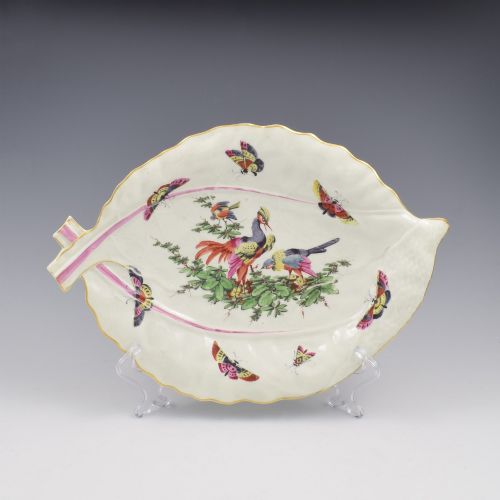
An eighteenth century plate encompasses an eclectic mix of English ceramics, European tin-glazed earthenwares, Asian export porcelains and early fused metalwares. When searching for this phrase, buyers encounter everything from delicate Worcester porcelain leaf dishes to robust Dutch delft chargers and gleaming Old Sheffield plated tableware.
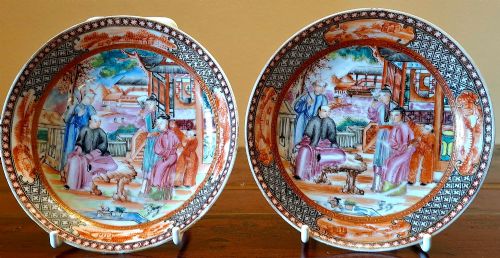
The domestic dining and display traditions of the period shape these objects, which include saucers, chargers, sweetmeat baskets and decorative dishes. English porcelain factories like Worcester alongside continental faience makers and Chinese export kilns dominate the forms seen in daily trade.
Regional variations add character, stretching from Japanese Edo period Imari palettes to Welsh oak dressers designed to display such wares. Each item carries the distinct aesthetic priorities of its origin, bridging utilitarian dining use with decorative display.
Materials and Techniques
Potters shaped hard-paste and soft-paste porcelains, tin-glazed earthenwares and faience using traditional wheel-throwing and moulding methods before hand-painting intricate enamels and underglaze blue. Pigments applied directly to the raw glaze or fired over top created the vibrant birds, floral motifs and narrative scenes characteristic of the era.
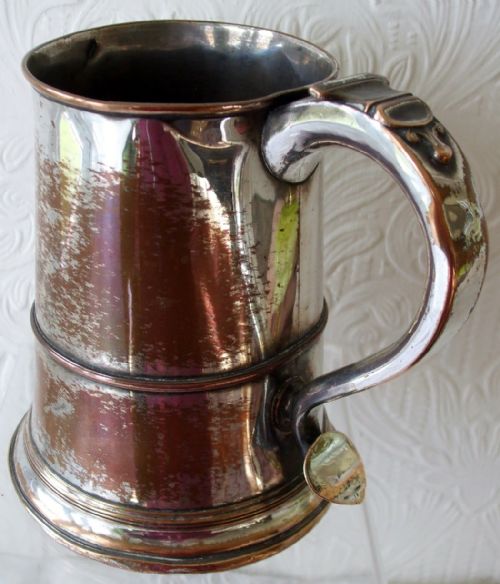
Metalworkers utilised Old Sheffield plate, fusing a thin sheet of silver to a thicker copper core under high heat to produce durable domestic tableware like mugs, tankards and sweetmeat baskets. Woodworkers constructed complementary storage and display furniture in native oak, walnut and mahogany, often incorporating brass bindings.
Factors of Quality
The refinement of the body and the crispness of the hand-painted decoration separate superior ceramics from standard production. Early porcelain bodies show careful potting with minimal distortion from the kiln, while finer metalwares display seamless silver fusing without excessive copper bleed at the edges.
Preservation of the original glaze sheen and enamel vibrancy dictates the desirability of decorative dishes and chargers. Pieces that retain their factory-fresh gilding or delicate brushwork without extensive restoration hold greater appeal for serious collections.
The Eighteenth Century Plate Glossary
- Old Sheffield plate
- A composite material made by fusing a thin layer of silver onto a copper ingot, developed in the eighteenth century. This technique allowed makers to craft luxurious tableware at a fraction of the cost of solid silver.
- Tin-glazed earthenware
- Pottery covered with a white tin-opacified glaze that provides a smooth background for painted decoration. Examples include Dutch delftware and French faience.
- Imari palette
- A distinctive decorative style originating in Japan and widely copied in Europe, utilising underglaze blue, iron red and gilt. It appears frequently on export porcelain and chargers from the period.
- Pot board dresser
- A traditional vernacular furniture form featuring open shelving above a low base shelf. These pieces served as functional storage and display furniture for domestic tableware.
- Sweetmeat basket
- A small, pierced or openwork vessel used for serving confectionery, nuts or sweet preserves. They are frequently found in silver plate or porcelain from the Georgian era.
Eighteenth Century Plate: Frequently Asked Questions
How do I clean antique plates?
Dust ceramics gently with a soft dry cloth and avoid harsh chemical immersion or modern dishwashers, which can damage historic glazes and enamels.
Old Sheffield plate benefits from minimal polishing with a non-abrasive silver cloth to preserve the thin silver layer over the underlying copper.
Can I use these plates for dining?
Most eighteenth-century plates and dishes are intended primarily for display and collection rather than daily modern dining use.
Thermal shock and acidic foods can harm fragile historic glazes, crazed earthenware bodies, and delicate hand-painted enamel surfaces.
What is Old Sheffield plate?
Old Sheffield plate is an early form of silver plating created by thermally fusing a sheet of sterling silver to a copper base.
This method predates electroplating and produces pieces where subtle traces of the warm copper core may show through wear at the high points.