


Eighteenth Century Oak
Eighteenth century oak brings honest timber, sturdy joints and centuries of domestic use straight into modern rooms.
Eighteenth Century Oak
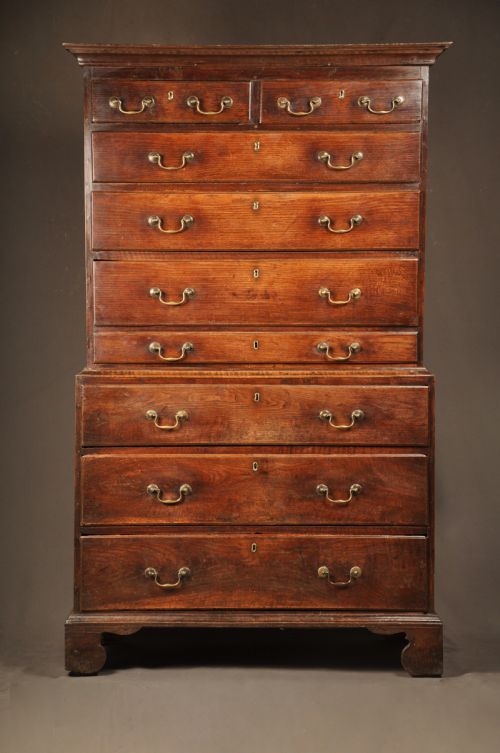
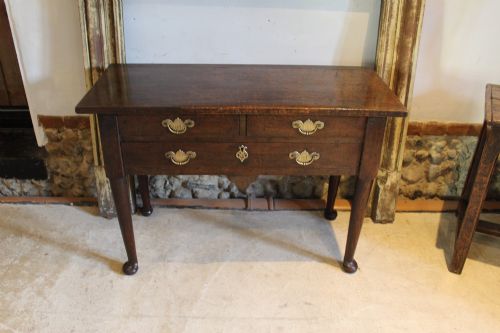
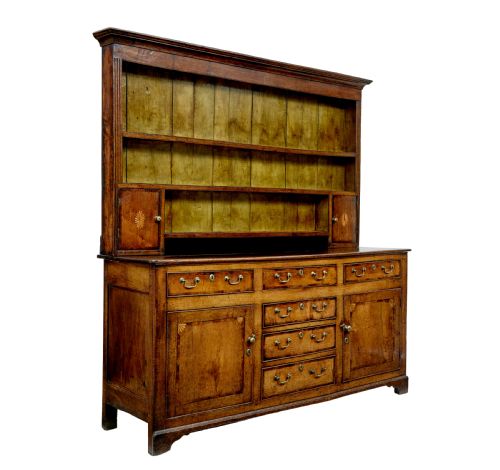
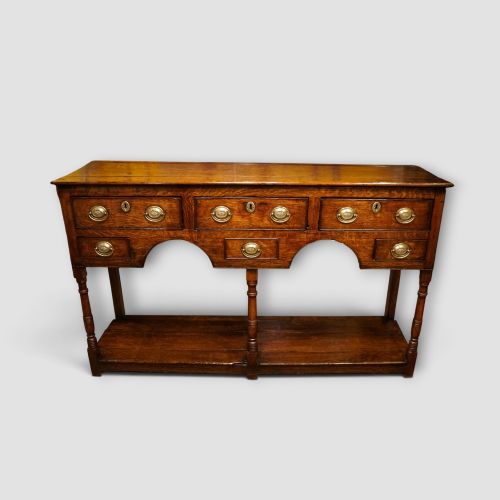
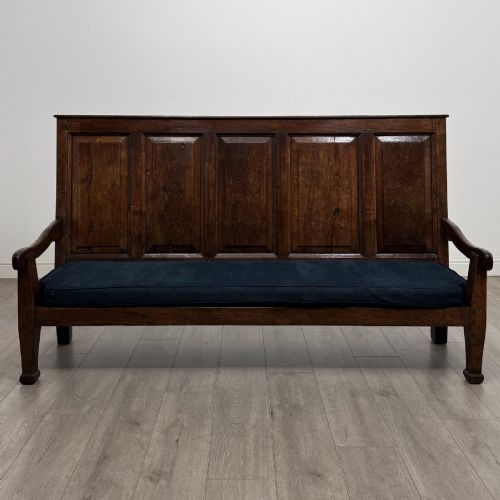
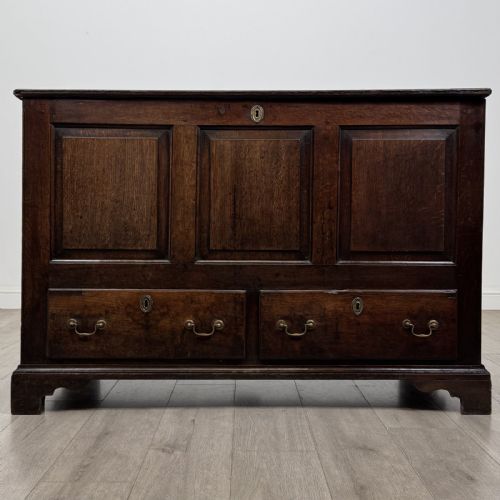
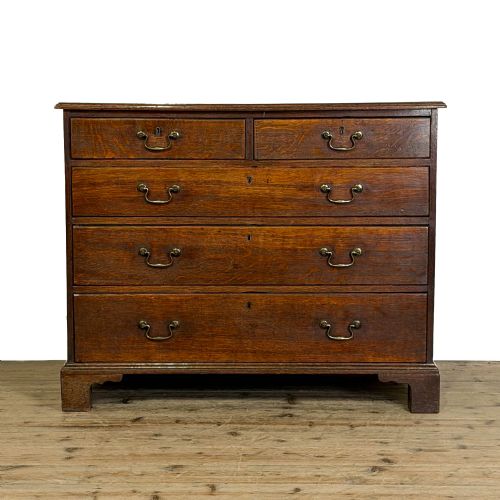
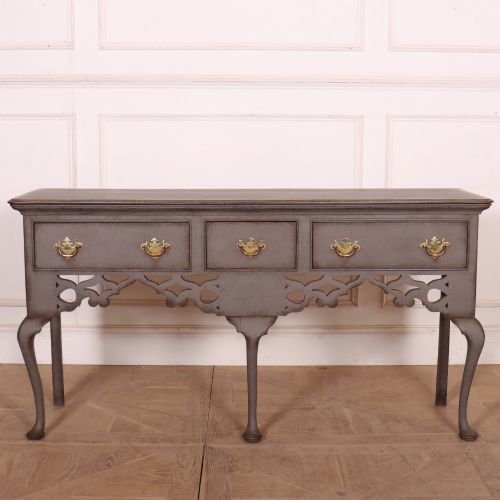
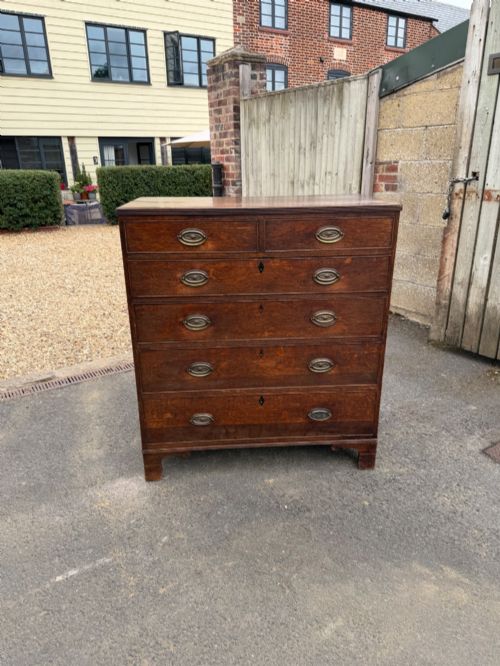
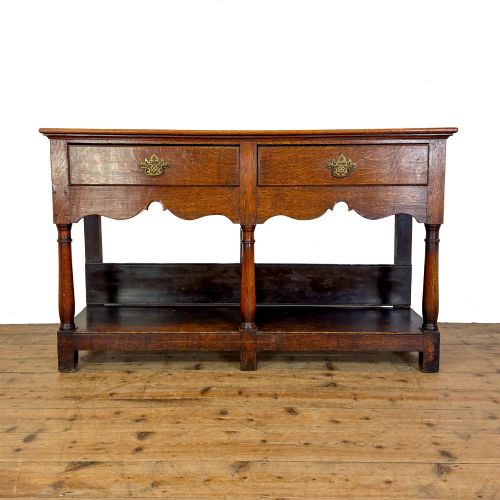
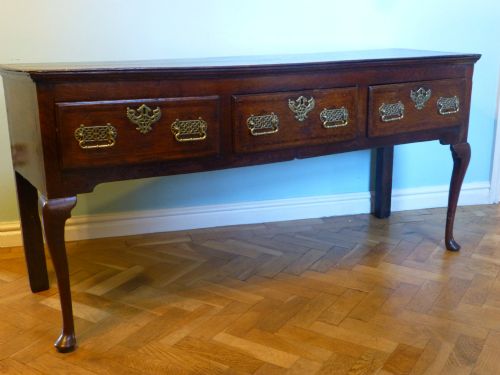
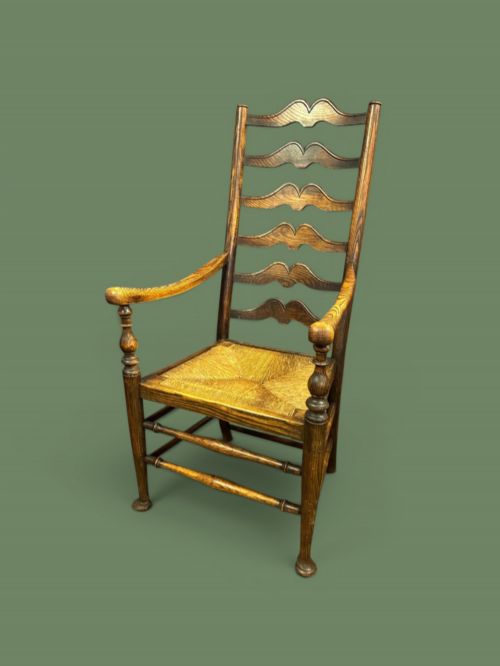
Buyers seeking eighteenth century oak encounter robust utilitarian items built for practical households rather than royal palaces. Chests of drawers, dresser bases, longcase clocks and gateleg tables dominate the offerings.
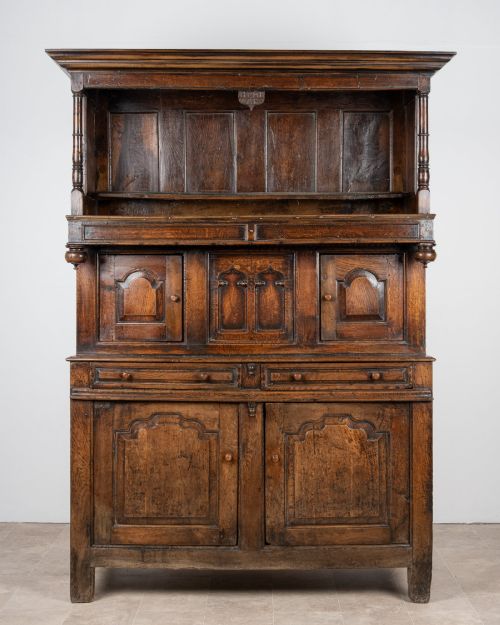
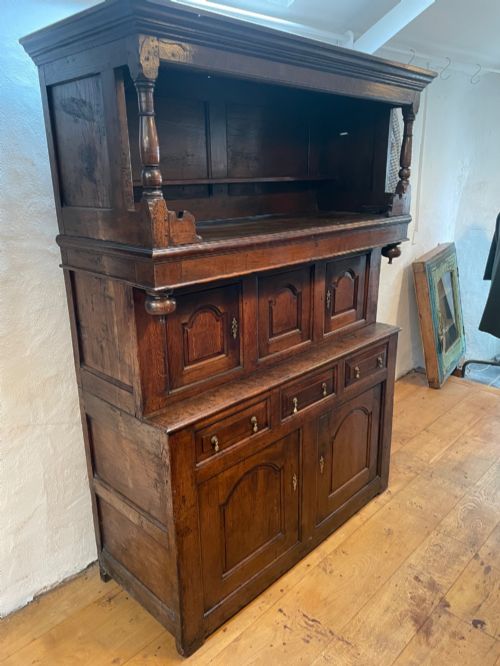
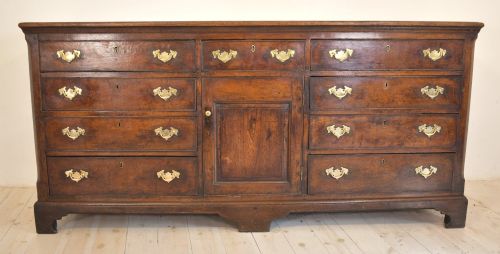
Regional variations appear frequently, including Welsh and Lancashire dresser bases alongside French provincial cupboards and Scandinavian painted pieces. Native timbers such as elm, ash and chestnut often accompany the primary oak structure in these vernacular items.
Most examples date from the Georgian era or the broader eighteenth century, though occasional pieces stretch back to the late seventeenth century or forward into the nineteenth. Forms range from miniature boxes and stools to imposing longcase grandfather clocks.
How they were made
Cabinet makers built these pieces using solid native hardwoods, pairing oak carcasses with secondary timbers like elm, ash and chestnut for internal components and secondary surfaces. Timber was commonly cleft or sawn by hand, producing irregular grain patterns and sturdy plank construction.
Joinery relied on traditional pegged mortise and tenon joints, dovetails on drawer construction, and hand-turned baluster legs. Iron and brass fittings, from hinges to escutcheons, were secured manually to withstand heavy daily use.
Eighteenth Century Oak Retail Price Guide 2026
Typical asking prices for eighteenth century oak among the pieces listed under this phrase on Sellingantiques today, from the lower quarter to the upper quarter. They describe what is for sale here now, not the wider market.
Listings feature oak alongside elm, ash, chestnut, walnut and mahogany across various domestic forms.
What varies in quality
The degree of original surface survival largely dictates the standing of an item, separating pieces retaining their natural patination and honest wear from those stripped or heavily over-restored. Depth of colour and the tactile warmth of the grain matter immensely in vernacular furniture.
Proportion and structural integrity distinguish finer workshops from basic rural carpentry, with well-balanced dimensions and crisply cut mouldings elevating standard domestic items. The preservation of original ironwork, brass handles and pegged joints further distinguishes superior survivals.
STANYER NANTWICH·Samuel Buxton
The Eighteenth Century Oak Glossary
- Dresser base
- The lower section of a kitchen or dining room storage unit, featuring drawers and cupboards with occasional potboards below.
- Gateleg table
- A drop-leaf table supported by hinged legs that swing outward to hold the leaves when raised.
- Deuddarn
- A traditional Welsh two-tier press cupboard or cabinet featuring panelled doors and internal shelving.
- Potboard
- An open lower shelf fitted between the legs of a dresser, originally designed for storing heavy pots and pans.
- Escutcheon
- A protective plate surrounding a keyhole, commonly cast in brass on finer cabinet work.
Eighteenth Century Oak: Frequently Asked Questions
How do I date an oak chest of drawers?
Examine the drawer construction and timber boards closely. Hand-cut dovetails, irregular plank widths and pegged frames typically point toward earlier periods.
Secondary woods and backboards also provide clues, as walnut, chestnut and pine appeared in different quantities as centuries progressed.
Where were dresser bases used?
These sturdy units served as central work surfaces and storage hubs in farmhouse kitchens and provincial dining rooms. Drawers held cutlery and linens while the top surface accommodated food preparation.
Open potboards underneath kept heavy cookware close at hand for daily domestic chores.
How do I care for antique oak furniture?
Keep wooden pieces away from direct heat sources and sudden humidity shifts to prevent the timber from splitting. Regular dusting with a dry cloth maintains the surface.
Occasional application of natural wax preserves the finish without building up heavy chemical layers over the historic grain.
What is a longcase clock?
Often called grandfather clocks, these tall timepieces house weight-driven movements inside a protective wooden trunk. They stood in hallways and living spaces to mark the hours for rural households.
Faces frequently feature brass dials and painted moon phases created by regional horologists.