



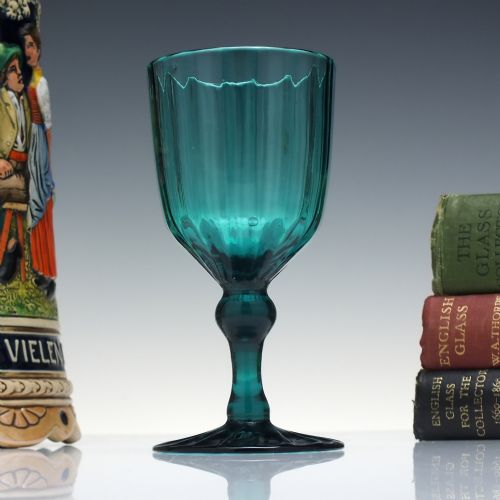


Eighteenth Century Bowl
An eighteenth century bowl brings genuine tactile history to a room, offering functional ceramic or glass vessels shaped by Georgian, Qing, or Edo traditions.
Eighteenth Century Bowl
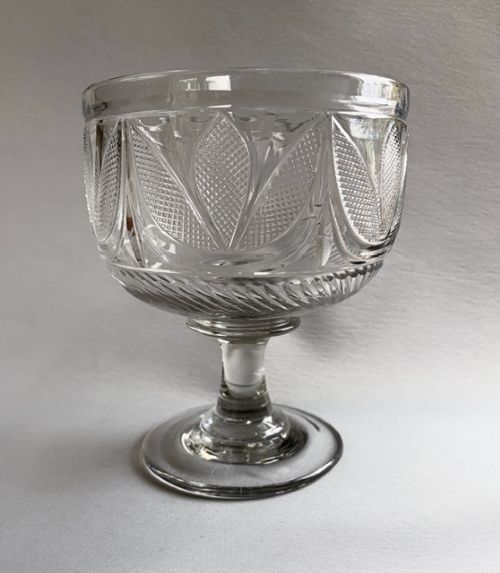
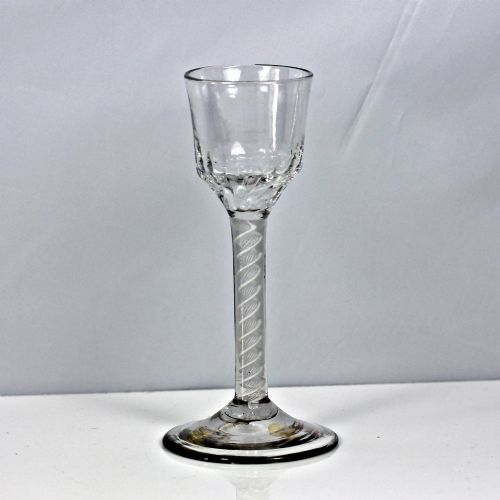
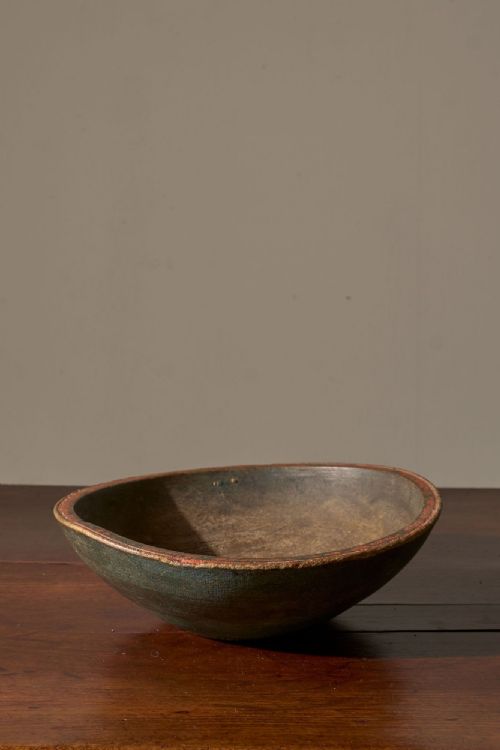
An eighteenth century bowl encompasses a diverse selection of ceramic vessels, glass stemware variants like wine glasses and sweetmeats, and painted earthenware forms. These objects bridge everyday domestic utility and high decorative arts across multiple global traditions.
The assortment on this page spans domestic English porcelain tea bowls, large Chinese export vessels, painted Swedish earthenware, and Japanese Arita porcelain dishes. Buyers encounter both delicate drinking vessels and robust utilitarian forms like chamber pots or junket dishes.
Most entries originate directly in the Georgian era or the broader eighteenth century, alongside related styles such as Qing Dynasty, Baroque, and Rococo. Regional variations demonstrate how different cultures approached glaze, form, and pigment during the same hundred-year span.
Materials and methods of production
Potters and glassmakers utilised porcelain, soft-paste porcelain, lead glass, pewter, and enamel to shape these pieces. Techniques range from rib moulding and wrythen twisting to hand-painting underglaze blue and applying turquoise guilloche borders or puce grounds.
Firing methods and glaze applications define the surface character, from iron rust glazes and intricate blue-and-white designs to plain lead glass formations containing characteristic air tears. Artisans shaped silver components through casting and hammering to produce supporting items like tongs and caddy spoons.
Eighteenth Century Bowl Retail Price Guide 2026
Typical asking prices for eighteenth century bowl among the pieces listed under this phrase on Sellingantiques today, from the lower quarter to the upper quarter. They describe what is for sale here now, not the wider market.
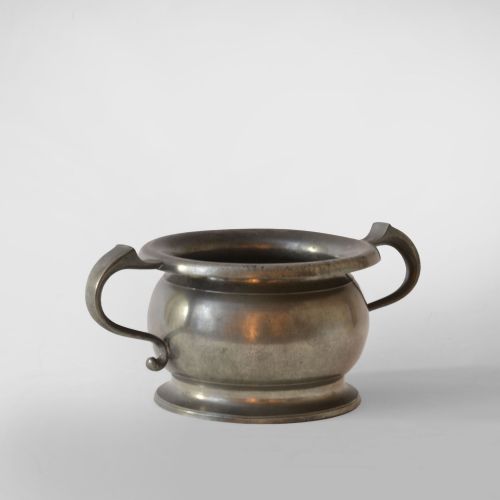
Cranes wade across eighteenth-century Japanese porcelain while Scottish pewter quietly holds chamber duties.
Distinctions in craftsmanship and preservation
Quality rests in the crispness of moulded details, the stability of the glaze, and the proportion of the form. Finer porcelain vessels display precise brushwork and controlled kiln temperatures, avoiding distortion or heavy pooling in the enamel.
Glassware quality appears in the clarity of the lead metal, the absence of heavy inclusions, and the balanced pull of stems and twists. Preservation of original hand-painted pigments and minimal surface wear elevate certain examples above standard domestic utensils.
W.Scott of Edinburgh
The Eighteenth Century Bowl Glossary
- Tea bowl
- A handleless small vessel designed for holding infused tea in historical dining settings. These pieces often arrive paired with matching saucers.
- Ogee bowl
- A bell-shaped vessel profile curving concave above and convex below, frequently seen on Georgian drinking glasses. This contour offers a comfortable mouthfeel and balanced weight.
- Soft-paste porcelain
- A ceramic composition fired at lower temperatures than hard paste, utilising glass frit and white clay. It yields a warmer tone and distinctive glaze pooling.
- Wrythen
- A decorative spiral moulding twisted into the body or stem of glass and ceramic objects during formation. This technique catches light dynamically across the surface.
- Comport
- A raised dish or bowl used for serving fruit or sweetmeats on a dining table. They stand on a pedestal foot or short base.
Eighteenth Century Bowl: Frequently Asked Questions
What distinguishes a tea bowl from a standard bowl?
Tea bowls lack handles and generally measure smaller in diameter, designed specifically for holding hot infused beverages during the eighteenth century.
Their compact proportions allowed drinkers to cradle the vessel comfortably in both hands.
How do I identify a lead glass piece from later glass?
Early lead glass exhibits a distinct heft and refractive clarity due to the high lead oxide content utilised by Georgian glasshouses.
Look for subtle optical anomalies, such as tiny air tears trapped within the metal during manual blowing.
Were these bowls used daily or displayed?
Many ceramic vessels served practical functions in dining and tea service, while larger decorative pieces adorned sideboards and formal rooms.
Usage patterns depended heavily on the material, with durable iron rust-glazed or tin-glazed earthenwares handling robust tasks.
How should I care for an eighteenth century bowl?
Wash delicate porcelain and glass items gently by hand in lukewarm water using mild soap, avoiding abrasive sponges or modern dishwashers.
Keep them away from rapid temperature shifts to protect fragile historic glazes and aged material structures.