

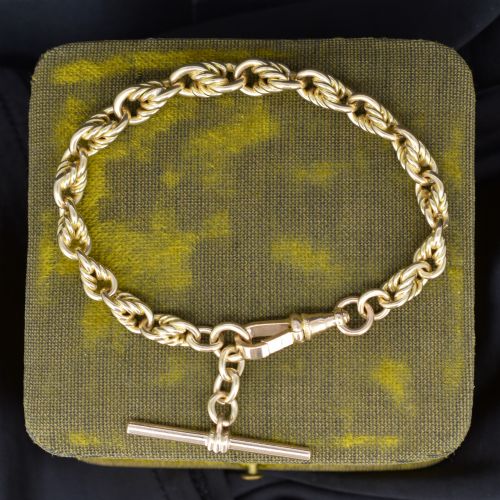
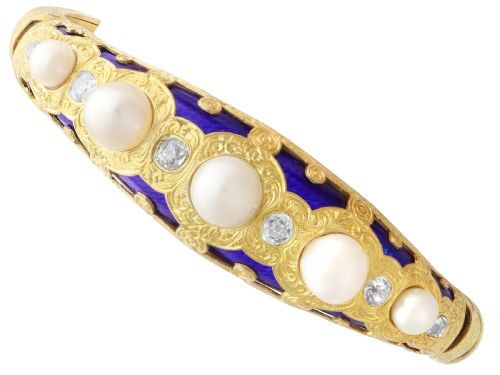
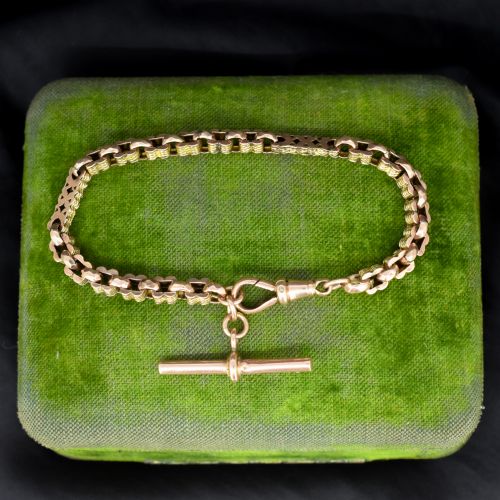
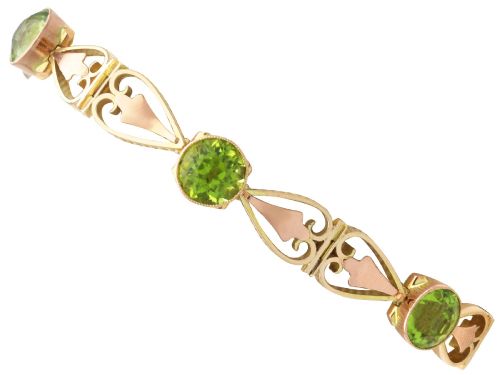
Edwardian Yellow Gold Bracelet
An edwardian yellow gold bracelet combines period charm with warm alloy tones, offering collectors wearable history and enduring craftsmanship.
Edwardian Yellow Gold Bracelet
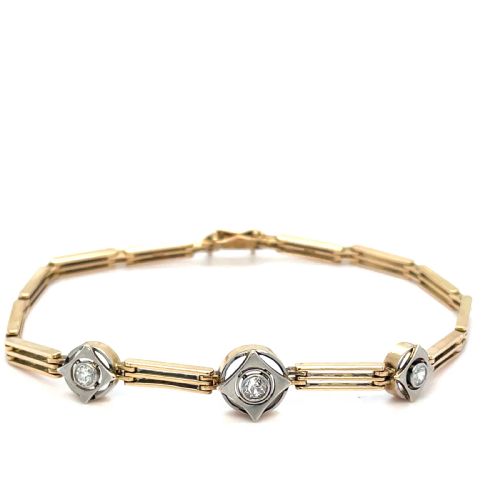
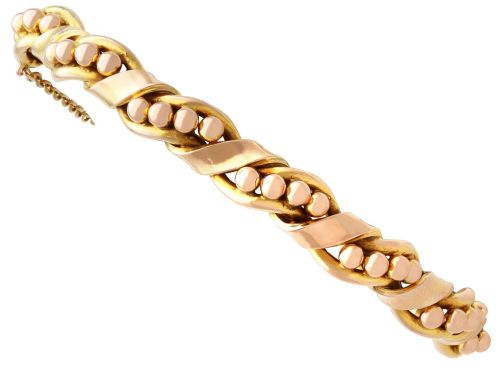
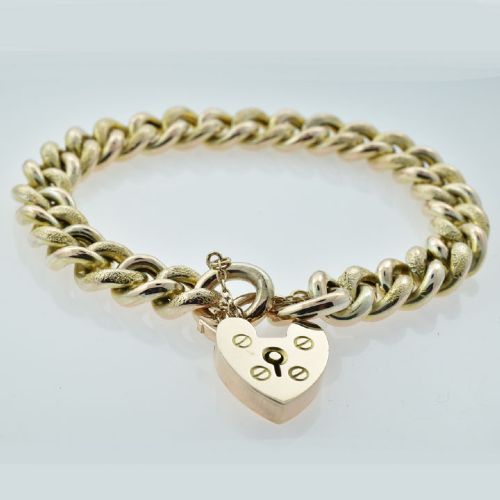
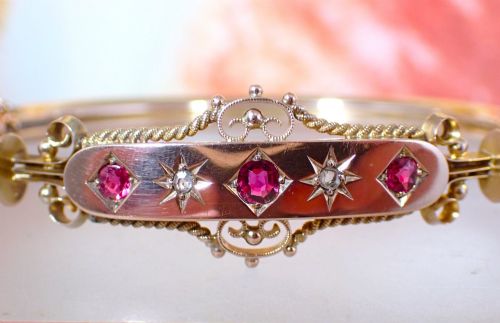
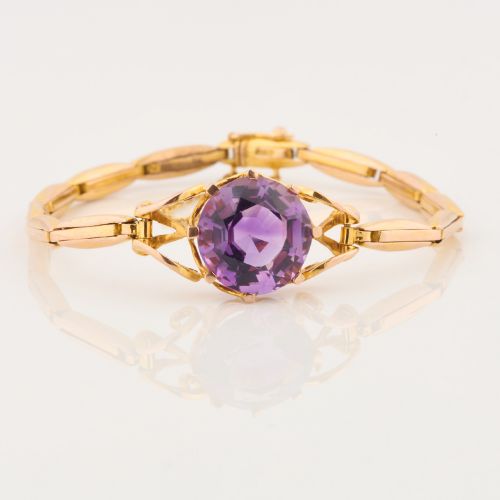
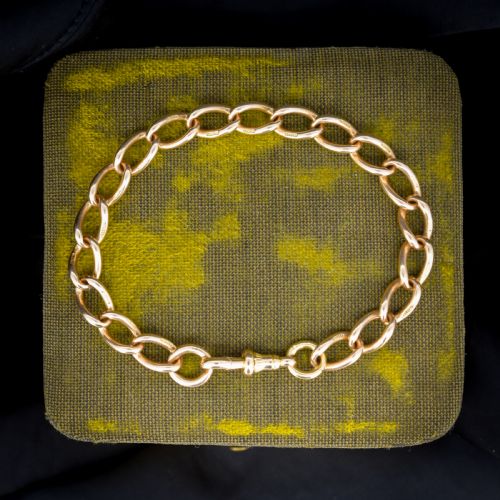
An edwardian yellow gold bracelet embodies the decorative artistry of the early twentieth century, spanning chain links, rigid bangles, and charm-laden designs. Pieces in this category emerge predominantly from the Edwardian era alongside overlapping Victorian and Art Nouveau periods, showcasing varied golds from nine carat to eighteen carat.
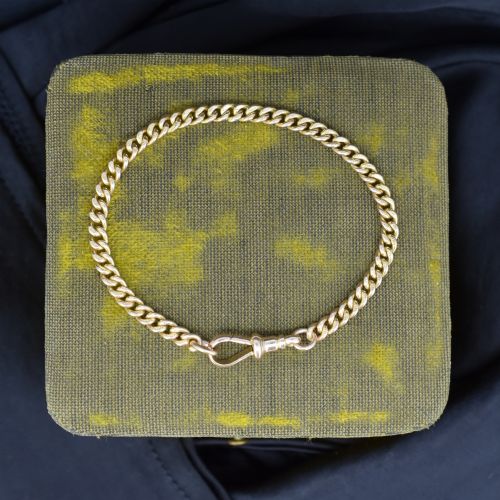
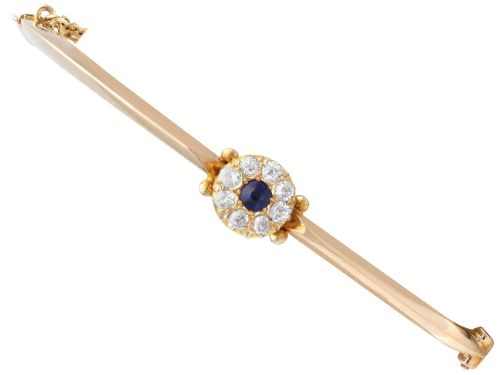
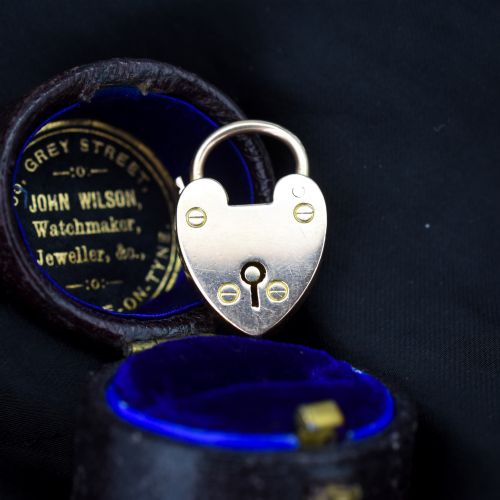
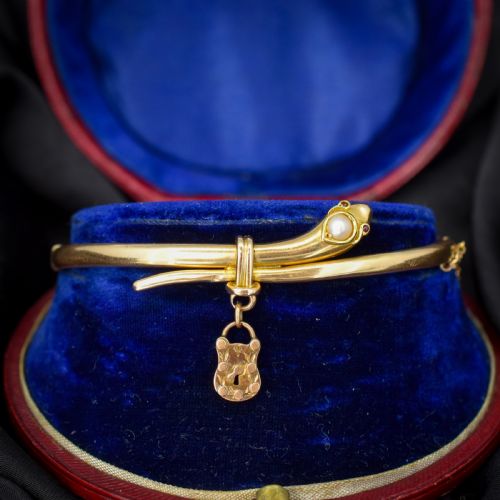
Buyers encounter distinct forms ranging from curb link chains secured with dog clips or heart padlocks to hinged bangles set with gemstones like diamonds, sapphires, peridots, and pearls. The selection frequently includes delicate work featuring motifs such as love knots, clover leaves, and intricate animal scenes.
Origins stretch across British workshops and continental ateliers, bringing forth items that functioned both as daily adornment and sentimental tokens. These jewels reflect the transition from late nineteenth-century heaviness to lighter, airier compositions characteristic of the early nineteen hundreds.
Materials and construction methods
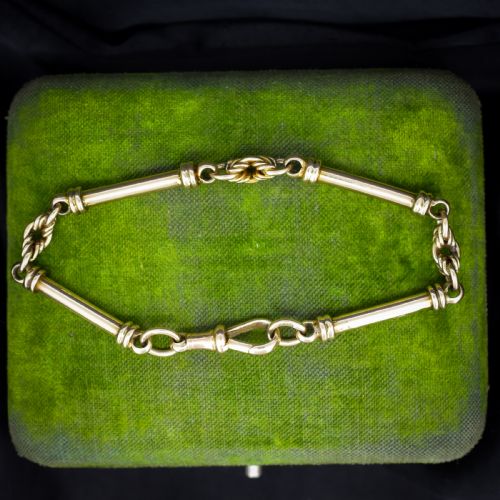
Golds in nine, fifteen, and eighteen carat form the structural foundation, paired with gemstones including diamonds, sapphires, rubies, turquoises, and natural pearls. Metals are shaped into hollow or solid tubular bars, curb links, gate links, and ornate castings.
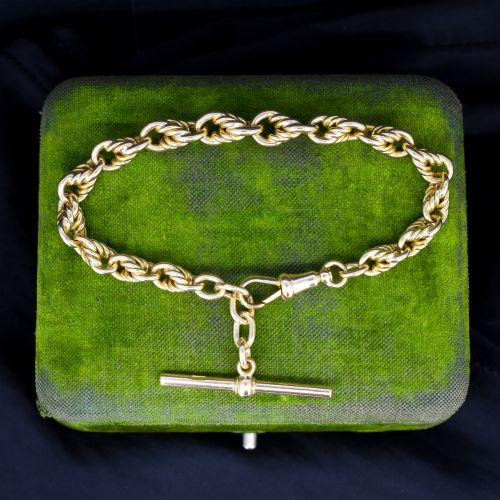
Craftsmen utilised hand engraving, repoussé, and stone setting techniques such as star settings and bezel mounts. Components like safety chains, T-bars, and spring-loaded dog clips are integrated directly into the metalwork to secure the pieces.
Edwardian Yellow Gold Bracelet Retail Price Guide 2026
Typical asking prices for edwardian yellow gold bracelet among the pieces listed under this phrase on Sellingantiques today, from the lower quarter to the upper quarter. They describe what is for sale here now, not the wider market.
Several charm bracelets include miniature opening purses and tiny teddy bears, proving that Edwardian jewellers possessed a charming sense of humour.
Factors influencing quality
Quality rests upon the integrity of the metalwork, the crispness of hand engraving, and the structural soundness of hinges and clasps. Solid links and substantial weight indicate superior manufacture compared to hollow or worn stamped components.
The choice and matching of gemstones elevate a piece, with well-cut diamonds and cleanly saturated sapphires or peridots marking higher workshops. Preserved original components, including functioning padlocks and matching safety chains, maintain the integrity of the object.
The Edwardian Yellow Gold Bracelet Glossary
- Dog clip
- A spring-loaded clasp shaped like a small hound's snap, commonly used on watch chains and bracelets to secure a pendant or T-bar.
- Padlock clasp
- A small, heart-shaped or rectangular lock mechanism functioning as both fastener and decorative charm on curb link bracelets.
- Curb link
- A chain design composed of uniform, interlocking links that lie flat against the wrist.
- Gate link
- A flexible bracelet construction formed of parallel metal bars connected by vertical links, reminiscent of a traditional countryside gate.
- Old mine cut
- A vintage diamond cut featuring an approximate cushion shape, high crown, and large open culet, typical of nineteenth-century jewellery.
Edwardian Yellow Gold Bracelet: Frequently Asked Questions
How do I care for my bracelet?
Clean these gold pieces gently using warm water and a soft brush, avoiding harsh chemical dips that damage delicate stones like pearls and turquoise. Store them flat in a lined box to prevent links from kinking or scratching.
Inspect clasps and safety chains periodically to ensure secure wear during daily use.
Are these bracelets suitable for everyday wear?
Solid gold pieces handle regular wear well, particularly sturdier curb link and gate link designs from the period. Hollow variants and gem-set bangles require more caution to avoid dents or stone loss.
Removing the jewellery before swimming, sleeping, or manual work preserves the integrity of antique settings.
How can I tell an Edwardian piece from a Victorian one?
Edwardian jewellery often exhibits lighter, airier filigree and garland styles, whereas Victorian items tend to be heavier and more robust. Hallmarks and stylistic motifs like platinum toppings help distinguish the reigns.
Many pieces span the turn of the century, carrying stylistic elements from both eras.
What does a T-bar signify?
The T-bar originated as a functional toggle inserted through a waistcoat buttonhole to anchor a pocket watch chain. On bracelets, it serves as a decorative terminal that passes through oversized links or charm rings.
This element remains a characteristic feature of period chain bracelets.