


Edwardian Wrought Iron Stand
These edwardian wrought iron stand pieces are robust metal supports designed for plants, fuel, and domestic utility, offering practical strength and decorative metalwork.
Edwardian Wrought Iron Stand
An edwardian wrought iron stand encompasses functional metal frameworks created for the home and conservatory, particularly plant holders and umbrella stands. These utilitarian items served practical domestic purposes while displaying the linear metalwork characteristic of the period.
The pieces appearing here connect closely with the broader Arts and Crafts movement and Victorian metalwork traditions. Buyers encounter varied forms ranging from conservatory plant stands to fire screens and floor standing lamps.
Originating from periods spanning the late nineteenth century through to the Edwardian era, these iron stands utilise durable metal fabrication. The selection demonstrates how domestic hardware evolved to combine utility with aesthetic appeal.
Assessing Quality and Craftsmanship
Quality in these stands rests upon the fluidity of the blacksmith's forge work and the precision of the joinery. Hand-forged examples displaying careful attention to proportions and clean rivet work separate superior items from mass-produced foundry output.
The integration of secondary materials, such as heavy hand-beaten copper bowls or leaded glass panels, influences the overall merit of a piece. Well-balanced frames that maintain stability while exhibiting delicate scrollwork demonstrate the height of period metalcraft.
Listings feature items spanning the 19th Century, Victorian, Edwardian, and 1930 periods, incorporating wrought iron, copper, brass, and glass.
The Edwardian Wrought Iron Stand Glossary
- Wrought iron
- A tough, malleable form of iron containing slag inclusions, traditionally shaped by hand while heated in a forge. This material allows for intricate twisting and bending without snapping.
- Arts and Crafts
- A design movement promoting handcraftsmanship, traditional materials, and simple forms as a reaction against industrial mass production. It heavily influences the aesthetic of many iron stands.
- Jardiniere
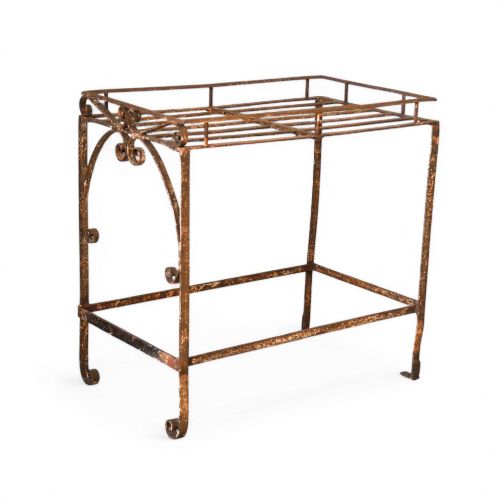
- An ornamental pot or stand designed to hold plants or flowers, frequently made from copper or brass supported by an iron frame. These items were central to Victorian and Edwardian conservatory decoration.
- Firescreen
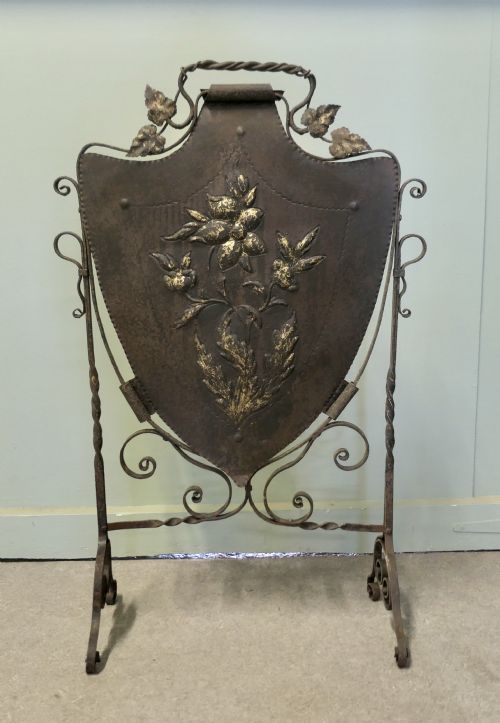
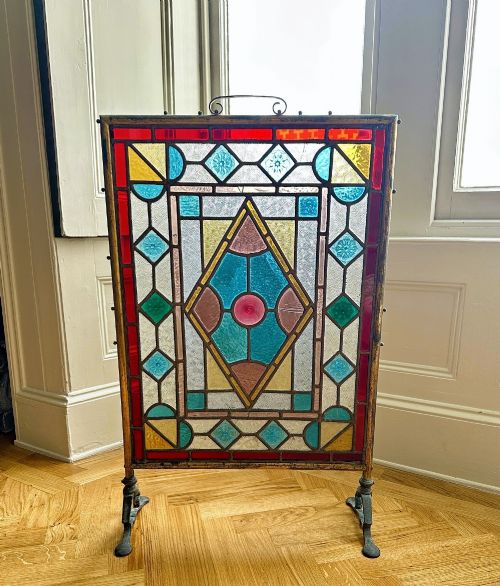
- A decorative panel placed in front of a fireplace when not in use, often comprising a wrought iron stand holding stained glass or embroidered fabric. They combined protective utility with artistic display.
- Conservatory
- A glass-walled room attached to a house, used for growing plants and leisure, which provided the primary setting for plant stands and wirework display pieces.
Edwardian Wrought Iron Stand: Frequently Asked Questions
What is an edwardian wrought iron stand used for?
These metal stands served various functional roles around the home and conservatory, primarily holding plants, fuel buckets, or umbrellas. Their sturdy iron construction made them suitable for supporting heavy items like large pots and coal bins.
In domestic spaces, taller versions functioned as floor lamps or fire screens, combining practical utility with decorative metalwork. Today, collectors utilise them in similar ways to display foliage or add industrial character to interiors.
How do I identify the period of an iron stand?
Dating relies upon observing the construction methods, stylistic motifs, and accompanying materials such as copper or stained glass. Pieces showing hand-forged joinery and organic Art Nouveau lines often point towards the turn of the twentieth century.
Simpler, heavier forms often link back to Victorian Gothic Revival or earlier nineteenth-century utilitarian design. Comparing the rivet types and surface textures helps distinguish handmade estate pieces from later reproductions.
Are these iron stands suitable for outdoor use?
Many of these pieces, particularly garden racks and plant holders, were originally constructed for conservatories or outdoor garden environments. Their robust iron frames endure changes in temperature and humidity when placed outside.
However, historical pieces incorporating delicate copper or glass components require shelter from harsh weather to preserve their original patination and materials. Regular monitoring for moisture protects the integrity of the antique metalwork.
What maintenance do wrought iron stands require?
Maintaining antique iron involves keeping the metal dry and occasionally applying a light protective wax to prevent oxidation. Gentle dusting preserves the original surface finish without stripping historical patination.
Avoid using harsh chemical cleaners or abrasive scouring pads, which can damage the treated metal surface. Careful handling ensures that any integrated copper or glass elements remain secure within the iron frame.