
Edwardian Wooden Pedestal
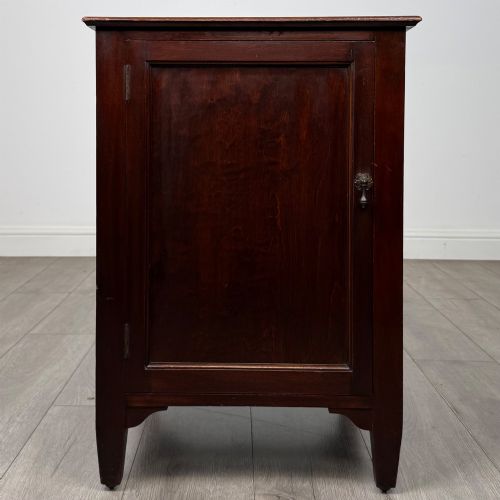
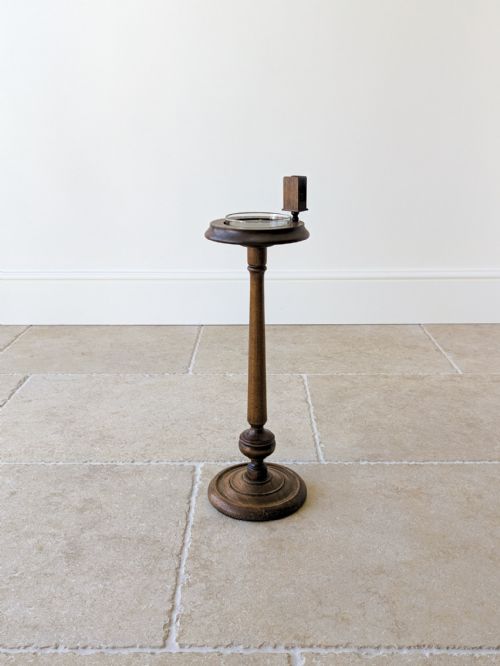
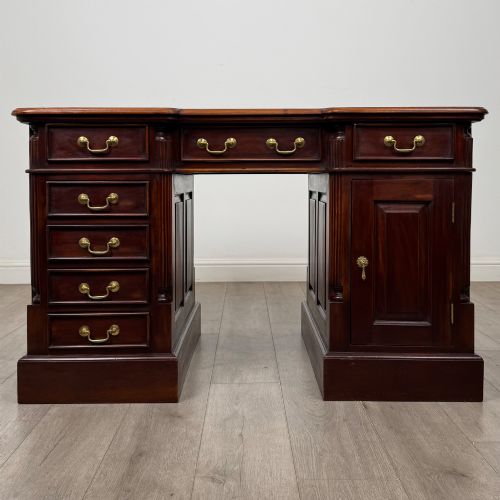
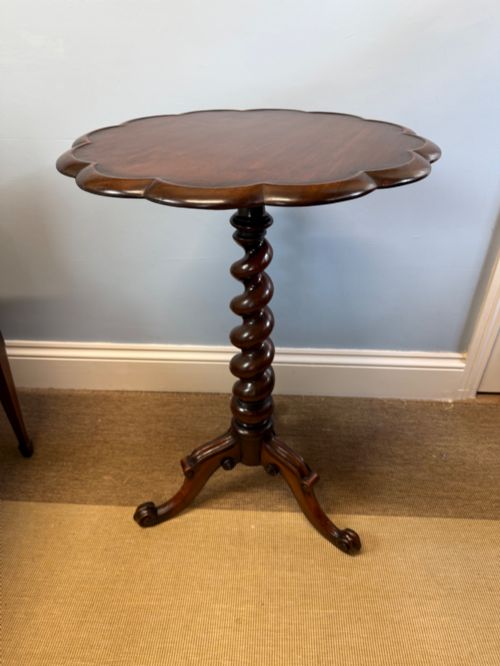
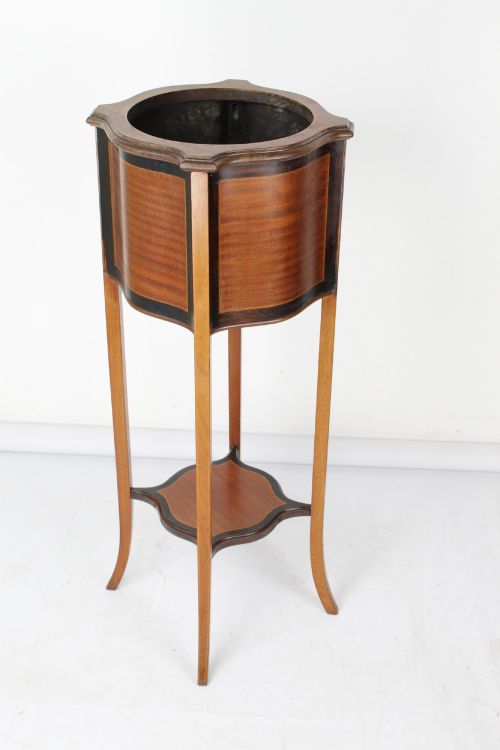
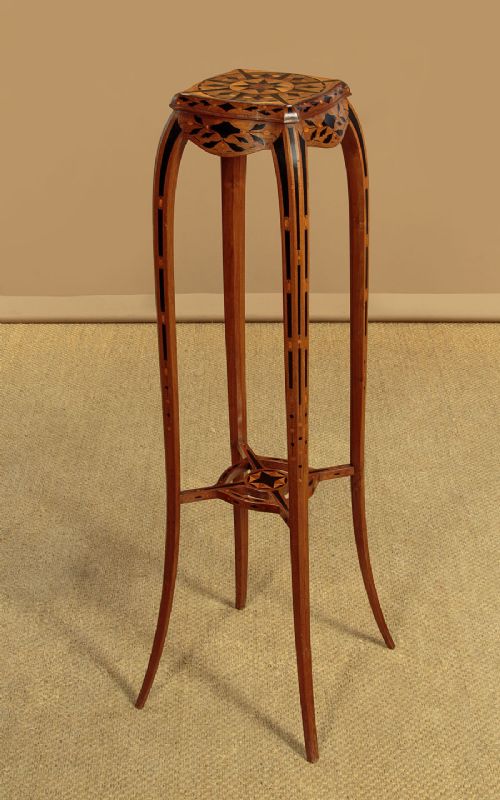
These edwardian wooden pedestal pieces bring structured timber form to a room, offering elevated display surfaces and sturdy supports.
Edwardian Wooden Pedestal
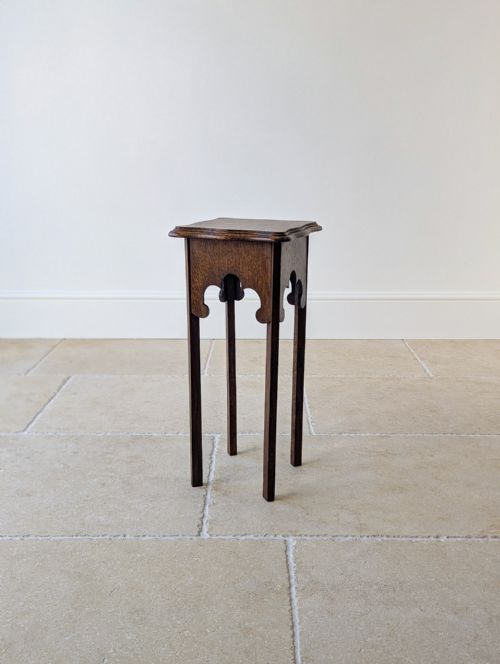
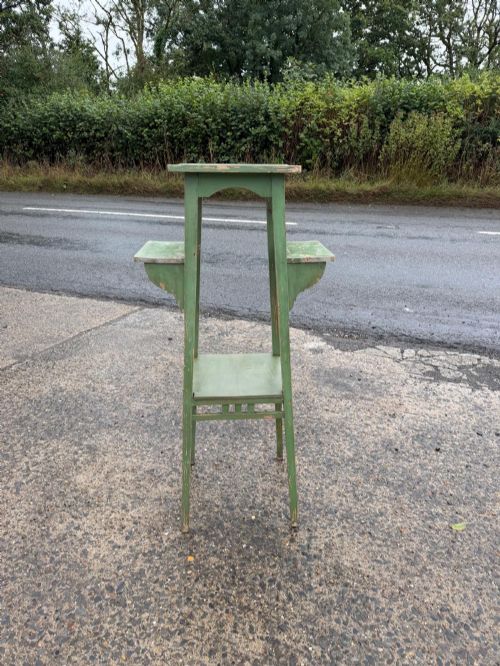
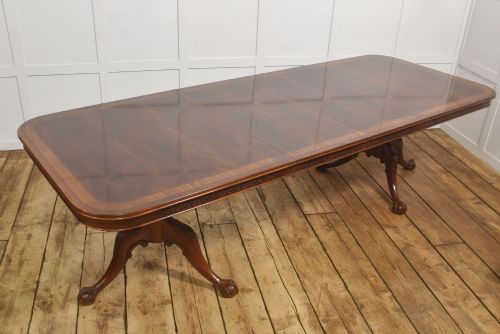
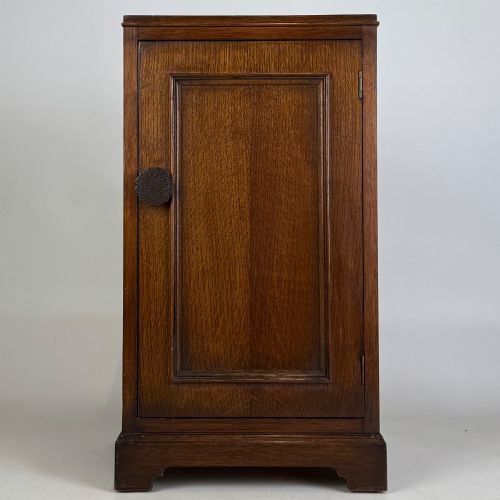
When searching for an edwardian wooden pedestal, buyers encounter items built primarily for display and support during the early twentieth century. Plant stands, torchères and columnar supports dominate this specific category, alongside related occasional furniture items from the same era.
The materials reflect the period preference for rich hardwoods, with mahogany, oak and satinwood appearing frequently across the inventory. Makers also utilised walnut, pine and brass details to finish these functional display pieces.
Materials and construction methods
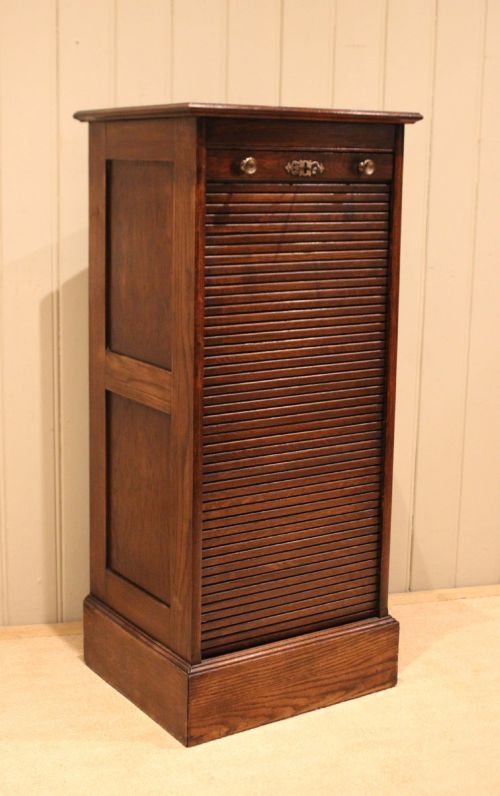
Cabinet makers constructed these pedestals using solid timber and selected veneers, employing traditional joinery to ensure stability for tall plant stands and torchères. Turning lathes shaped upright columns, while cabinet pieces incorporated inset panels and applied mouldings.
Finishes relied on natural polishes and wax to highlight the grain of mahogany and oak. Brass hardware and occasional painted surfaces provided functional contrast and decorative accenting.
Several stands double as smoking accessories or music holders, proving that Edwardian relaxation required dedicated wooden furniture.
Distinctions in quality and execution
Quality rests on the selection of timber figures, such as figured mahogany or detailed satinwood inlay, and the precision of turned elements on columns and bases. Heavier timbers and stable, weighted base constructions separate superior examples from lighter utility items.
Design ambition also marks the better pieces, with carved details, reeded columns and Arts and Crafts movement influence distinguishing standard production models from finer workshop pieces.
Denby & Spinks
The Edwardian Wooden Pedestal Glossary
- Torchère
- A tall, slender stand designed specifically to hold a lamp, urn or plant. These pieces rise on a single central pillar supported by a tripod or weighted base.
- Plinth
- The flat base or block upon which a column, pedestal or statue rests. It provides both structural stability and visual grounding for the piece.
- Satinwood
- A durable timber known for its yellowish sheen and smooth grain, frequently used for veneering and inlay work on Edwardian cabinet furniture.
- Arts and Crafts
- A design movement valuing honest construction, visible joinery and handcrafted simplicity over mass-produced ornamentation.
Edwardian Wooden Pedestal: Frequently Asked Questions
What is an edwardian wooden pedestal used for?
These items serve primarily as elevated platforms for plants, vases, lamps or decorative objects within a room. Their slender profiles allow them to occupy corners and tight spaces where larger tables cannot fit.
Beyond simple display, specific variations function as torcheres or specialised stands. They lift decorative items to eye level, adding vertical interest to interior spaces.
How do I identify Edwardian pieces?
Edwardian furniture dates from the reign of King Edward VII, spanning the early years of the twentieth century. Construction often combines traditional cabinet techniques with lighter proportions than heavy Victorian designs.
Look for satinwood inlay, Sheraton revival influences, and clean lines in oak or mahogany. The woods and decorative motifs reflect a shift toward brighter, less cluttered domestic interiors.
Are these pedestals structurally stable?
Most pieces utilise solid timber construction with weighted or tripod bases designed to prevent tipping under normal loads. Proper balance depends on the original design, whether a broad plinth or splayed legs.
Heavier hardwood versions in oak or mahogany offer greater stability for heavier plants or bronze figures. Placing them on level flooring ensures secure daily use.
What woods were commonly used?
Makers relied heavily on mahogany, oak and satinwood for visible surfaces. Walnut and pine also appear frequently in the underlying construction and secondary elements.
Inlays often featured contrasting timber veneers to create geometric or floral patterns. Brass fittings and metal accents completed the material palette.