



Edwardian Wood Stool
An edwardian wood stool brings practical seating and period character to a room, offering sturdy utility in mahogany, oak, and walnut.
Edwardian Wood Stool
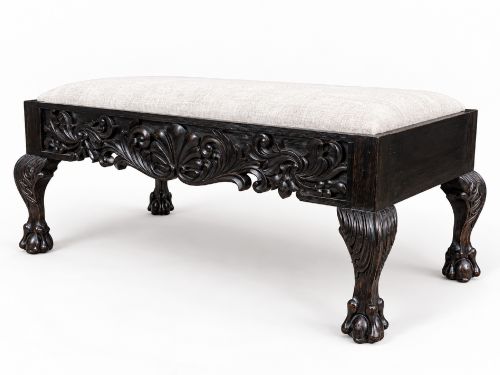
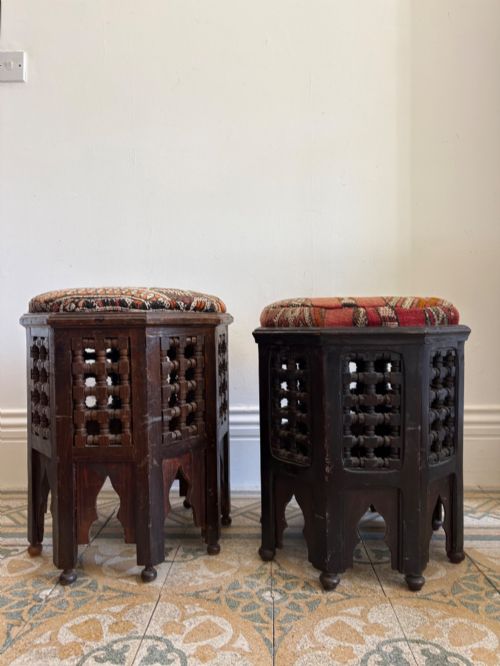
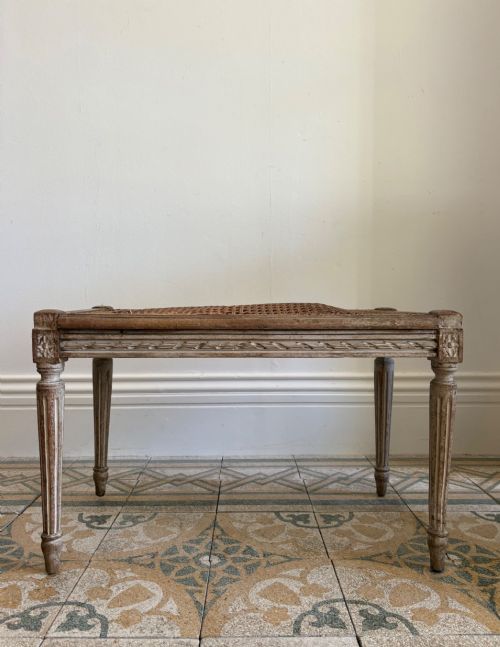
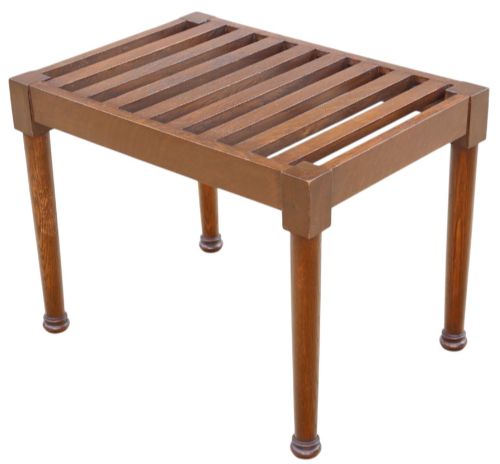
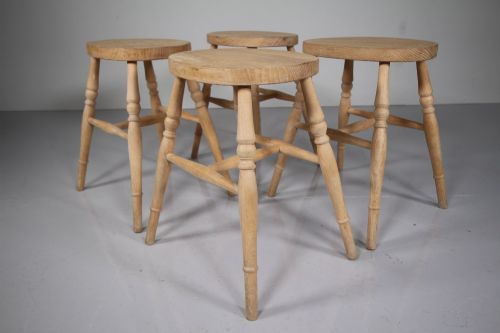
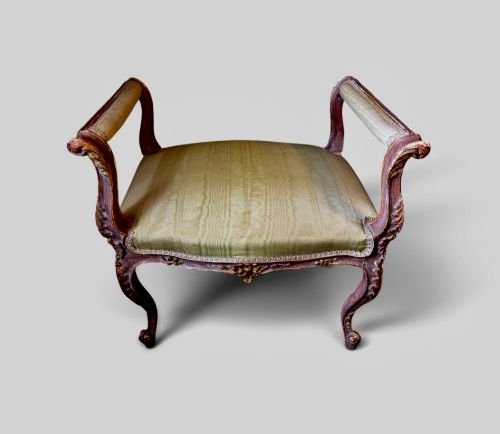
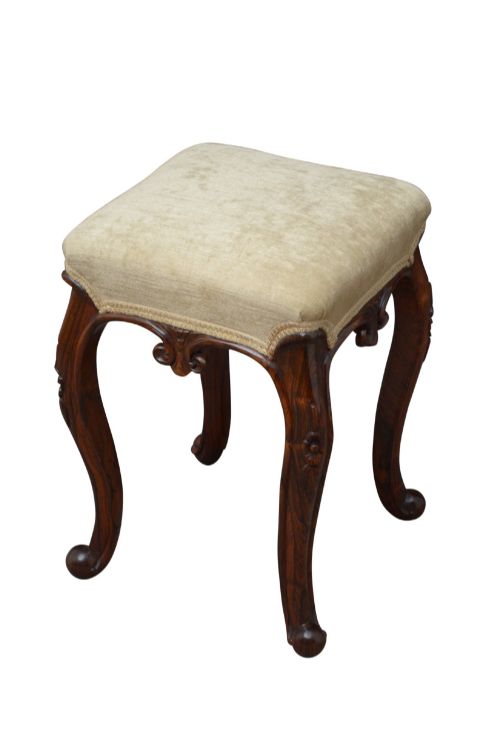
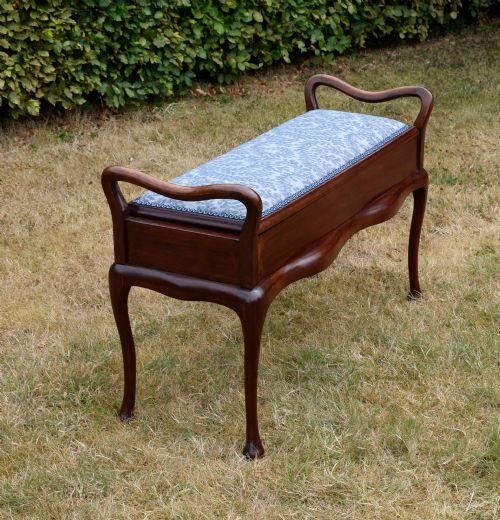
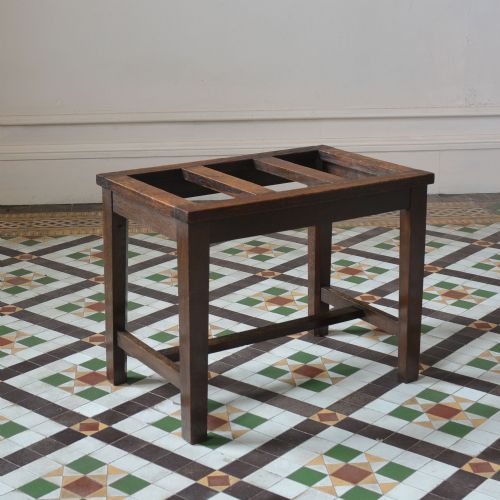
When searching for an edwardian wood stool, buyers encounter a diverse selection of low seating and stands originating primarily from the early twentieth century alongside Victorian and nineteenth century examples. The forms on this page span piano stools, dressing table stools, footstools, joint stools, and luggage racks designed for specific domestic tasks.
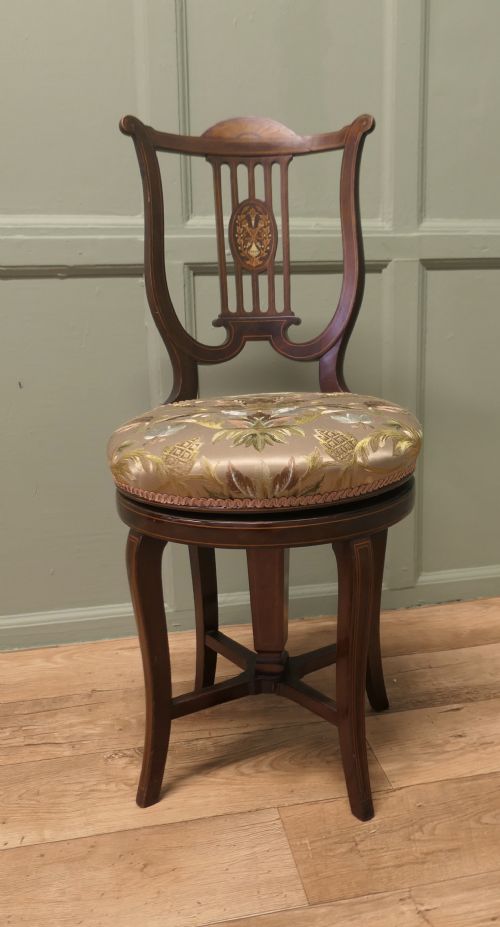
Piano stools represent a dominant category, appearing with revolving mechanisms, rise and fall actions, or duet proportions tailored for musicians. Dressing table stools and footstools provide low seating options, while oak joint stools and luggage stands offer utilitarian support in hallways and bedrooms.
How they were made
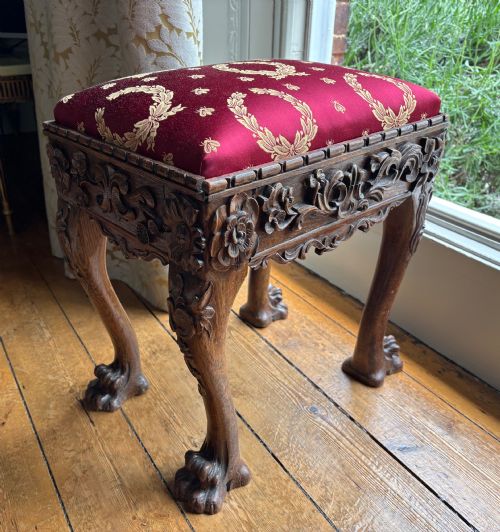
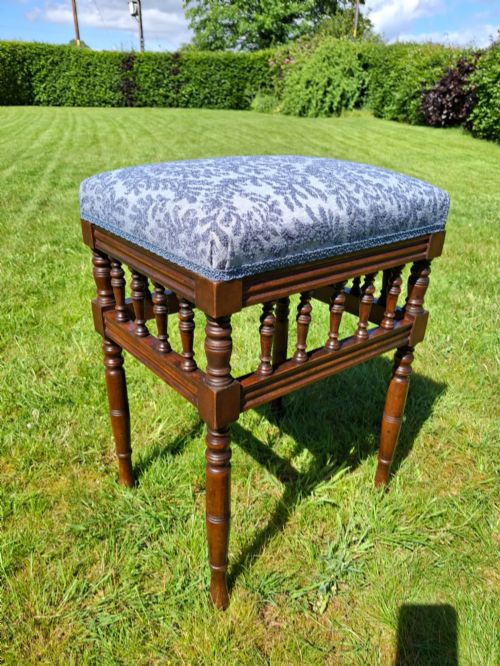
Makers utilised solid timbers such as mahogany, oak, walnut, rosewood, and beech, often employing turned legs, carved details, and pegged construction methods. Ebonised finishes and giltwood appear alongside natural wood grains.
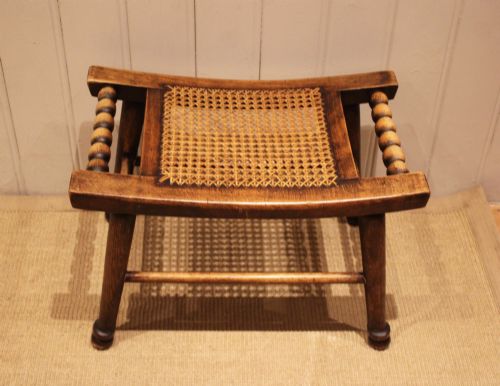
Seating portions incorporate traditional upholstery methods using fabric, tapestry, needlework, leather, and cane inserts. Brass hardware frequently supports adjustable swivel mechanisms and revolving piano stool actions.
Musicians once relied on revolving harpist chairs to spin effortlessly toward the sheet music.
What varies in quality
The standard of timber selection and carving depth dictates the visual distinction between standard production items and finer commissions. Robust joinery, such as pegged construction in oak joint stools, ensures long-term structural integrity.
Complexity of function separates basic seats from sophisticated examples, notably in adjustable piano stools with smooth revolving or rise and fall mechanisms. The retention of original upholstery materials or sympathetic reupholstery also influences the finished integrity of a piece.
Jas Shoolbred·James Shoolbred
The Edwardian Wood Stool Glossary
- Joint stool
- A sturdy wooden stool constructed with mortise and tenon joints, common in early domestic interiors. These pieces rely on pegged timber construction rather than metal fasteners.
- Rise and fall piano stool
- A seat mechanism allowing the player to adjust height via a central screw thread or scissor action. This mechanical complexity suited musicians requiring precise seating elevation.
- Luggage rack
- A low stand featuring wooden slats and folding or rigid frames designed to hold suitcases in guest bedrooms. They frequently incorporate lower shelves for shoes.
- Ebonised
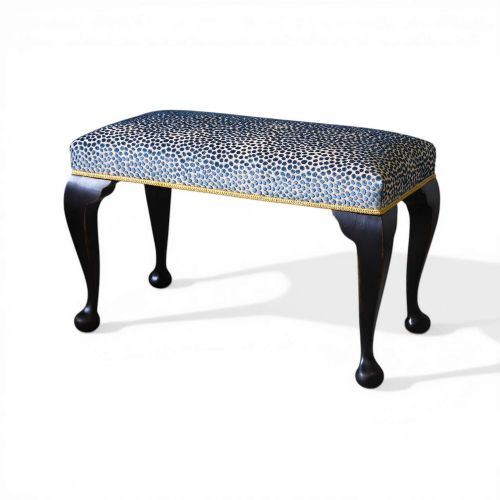
- Wood treated with a dark stain or finish to imitate ebony. This technique gained popularity during the nineteenth and early twentieth centuries for formal furniture.
- Cabriole leg
- A furniture leg featuring a double curve, typically arching outward and then inward toward a pad or claw foot. This design appears frequently on revival seating styles.
Edwardian Wood Stool: Frequently Asked Questions
What is an edwardian wood stool used for?
These items served various domestic functions, primarily as seating for pianos, dressing tables, or general room use. Many functioned as footstools or luggage stands in bedrooms.
Sturdier designs like joint stools provided auxiliary seating around the home. Adjustable variants catered specifically to musicians needing variable heights.
How do I identify an Edwardian piano stool?
Edwardian examples often feature mahogany or oak frames with upholstered seats in fabric, leather, or tapestry. Revolving tops and adjustable mechanisms are common.
They frequently align with stylistic revivals like Chippendale or Sheraton. Turning on the legs and box frames further indicate the period.
Are these stools suitable for daily use?
Solid timber construction and traditional pegged joints provide the durability needed for regular seating. Most pieces are built from hardwoods like oak and mahogany.
Upholstered sections may require new covers or padding depending on their condition. Mechanical parts on piano stools benefit from gentle handling.
What woods were used for these stools?
Cabinetmakers utilised a range of timbers including mahogany, oak, walnut, rosewood, beech, and goncalo alves. Ebonised beech also appears frequently.
Secondary woods supported internal frames while primary timbers formed visible legs and stretchers. Brass elements reinforced moving parts.