
Edwardian Wood Pedestal
An edwardian wood pedestal holds an urn, lamp or plant, bringing height and proportion to a dark corner.
Edwardian Wood Pedestal
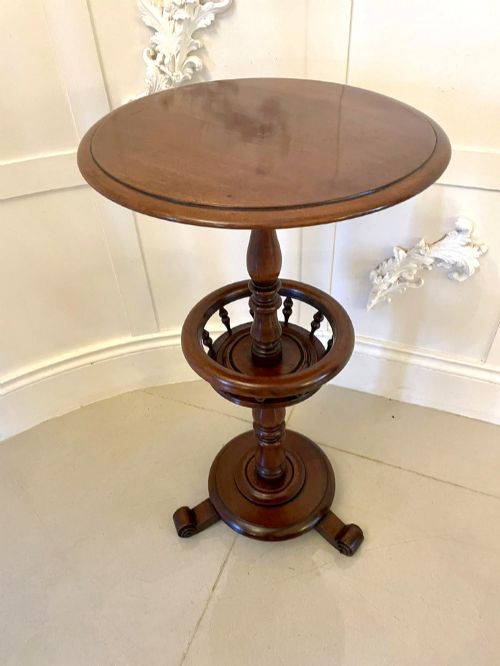
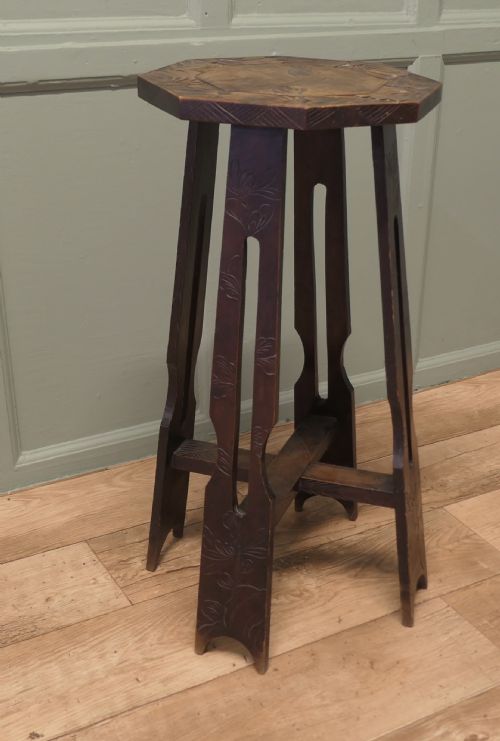
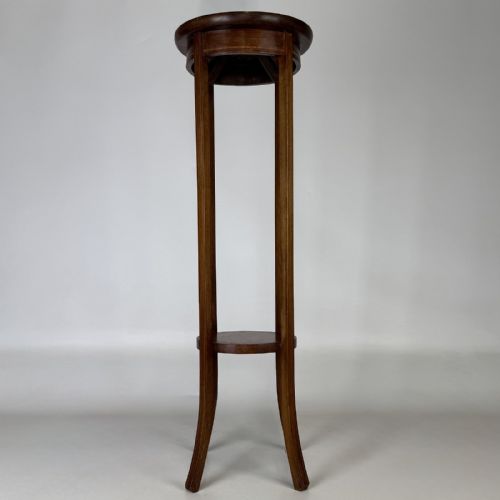
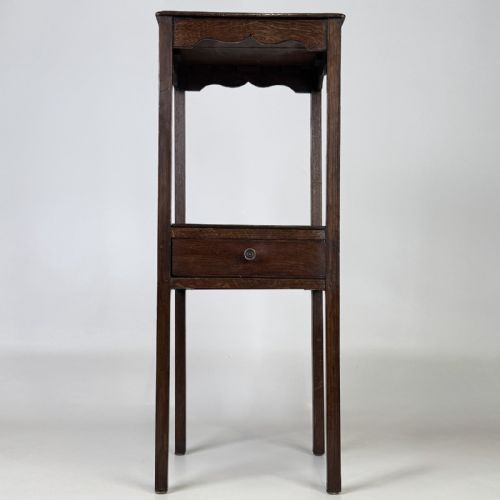
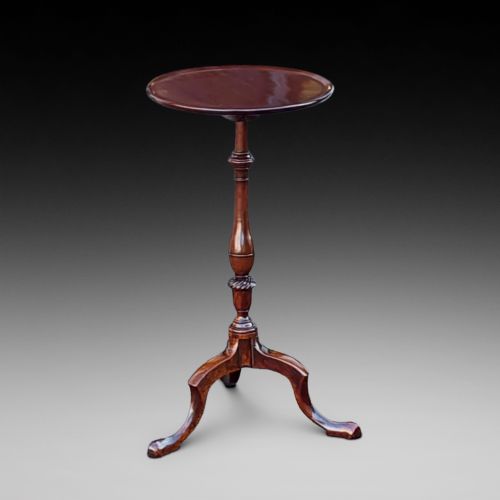
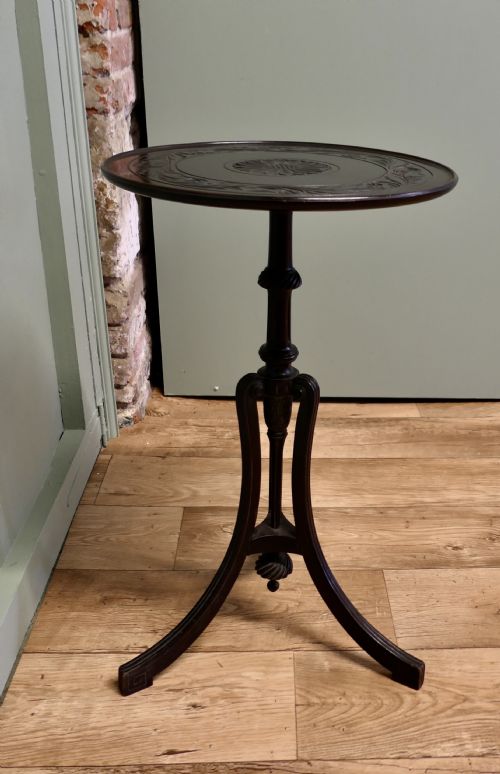
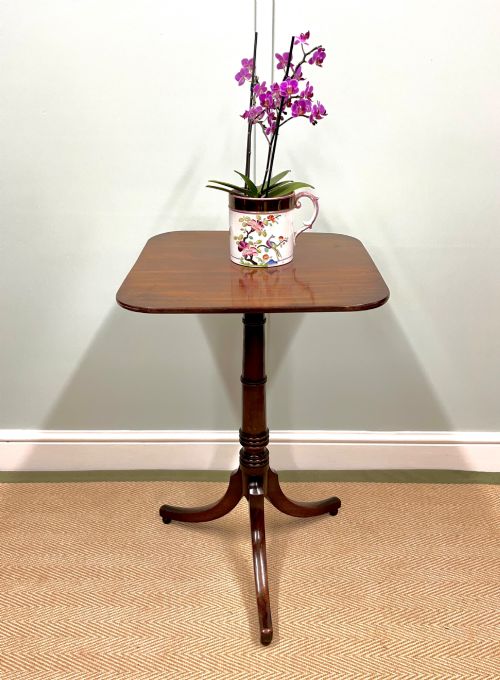
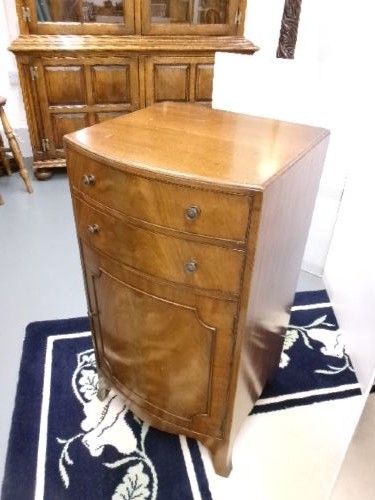
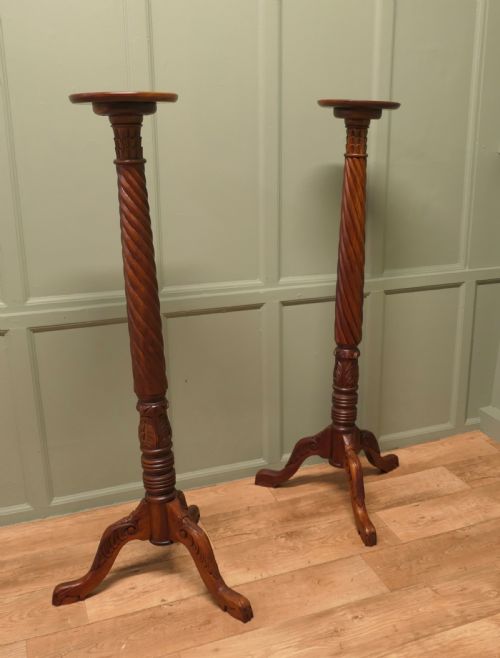
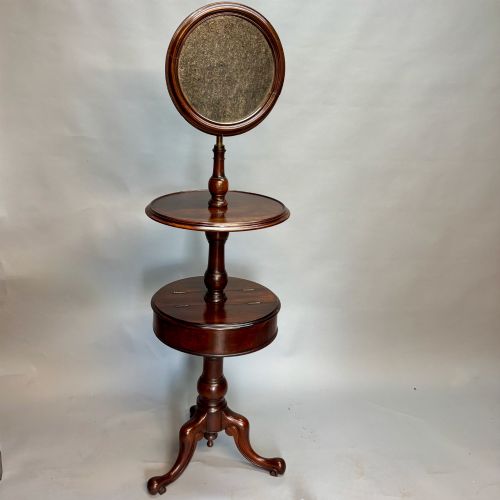
An edwardian wood pedestal takes the form of a tall, narrow stand designed to elevate decorative objects, lamps or plants within a room. When searching for an edwardian wood pedestal, buyers encounter various freestanding supports that range from simple turned shafts to slender plant stands and torchere columns.
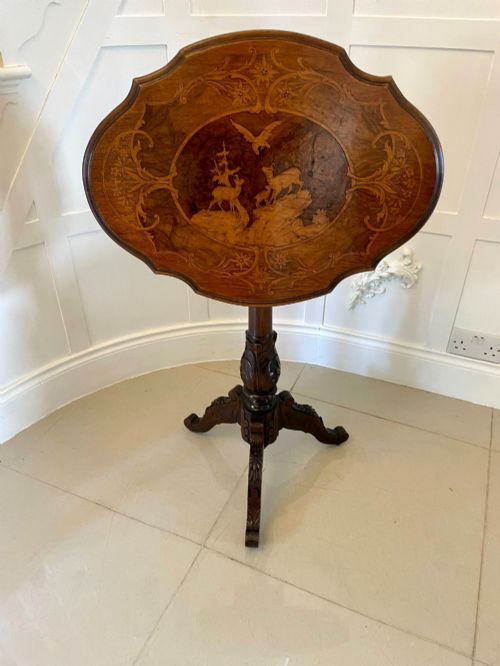
The pieces appearing under this heading stem primarily from the Edwardian period and the early twentieth century, alongside nineteenth century antecedents in Victorian and Regency styles. Materials span solid and veneered timbers such as mahogany and oak, often detailed with marquetry inlay or turned uprights.
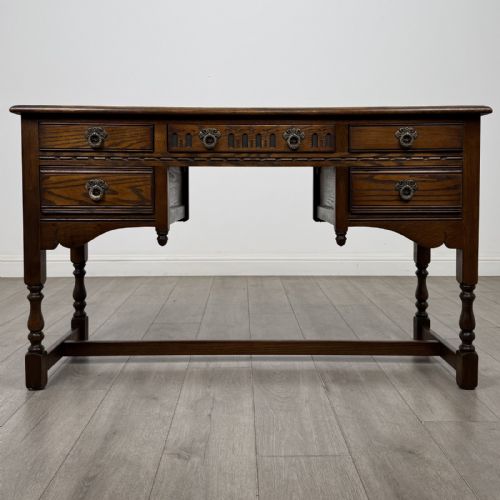
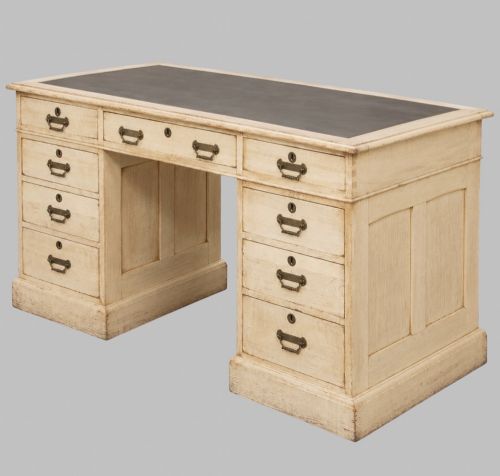
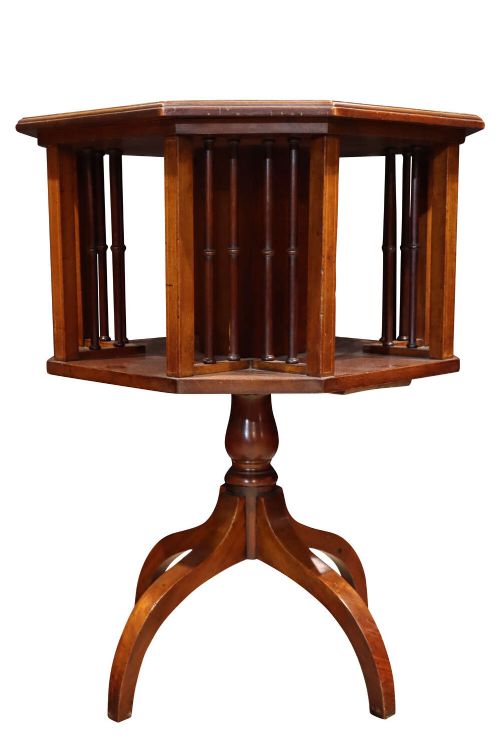
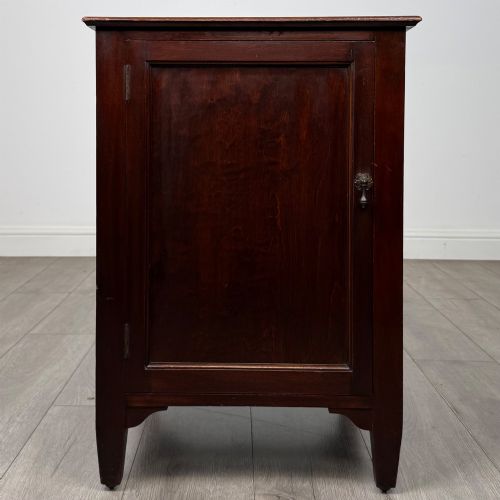
While the inventory includes related occasional tables, desks and plant stands, the core form remains a vertical column or plinth designed for display. These stands serve practical functions in domestic interiors while introducing architectural lines to domestic spaces.
Materials and Construction
Makers utilised dense timbers such as mahogany, oak and rosewood, selecting them for structural stability and grain pattern. Surfaces frequently display contrasting satinwood inlay, brass fittings or turned wooden shafts.
Joinery techniques rely on traditional turning for columns and pedestals, paired with solid timber tops and stable tripod or multi-footed bases. Timber surfaces are polished to a warm finish that accentuates the natural figure of the wood.
The selection includes inlaid marquetry work, barley twist turnings, and brass fittings reflecting both Sheraton revival and Arts and Crafts movements.
Assessing Quality and Execution
Quality rests in the precision of the turning, the weight of the base and the crispness of any carved or inlaid detail. Superior examples maintain structural rigidity without wobble, distributing weight evenly across three or four feet.
Finer pieces show careful timber selection, avoiding mismatched grain patches or heavy secondary stains used to mask inferior wood. The integration of brass mounts, marquetry panels and subtle stringing elevates the standard of individual stands.
Liberty & Co·Bulstrode Cambridge·Hewetsons London·Trollope & sons
The Edwardian Wood Pedestal Glossary
- Torchere
- A tall ornamental stand designed specifically to carry a lamp or light fitting. These slender supports raise illumination to standing height.
- Marquetry
- Decorative veneer work arranged in geometric or floral patterns using contrasting timbers. Craftsmen inlay thin slices of wood into a prepared surface.
- Tripod Base
- A three-legged support system common on small tables and stands. This configuration prevents rocking on uneven floors.
- Plinth
- The flat solid base or block upon which a column, statue or pedestal stands. It provides a grounded foundation for vertical furniture.
Edwardian Wood Pedestal: Frequently Asked Questions
What is an edwardian wood pedestal used for?
These tall stands support table lamps, heavy vases, bronze figures or potted plants to bring height variation to a room.
They function well in corners, empty wall spaces or beside seating where a standard table occupies too much floor area.
How do I distinguish Edwardian pieces from Victorian ones?
Edwardian stands generally favour lighter timbers, simpler lines and restrained satinwood inlay inspired by Sheraton and neoclassical revivals.
Victorian pieces often display heavier proportions, darker finishes, denser carving and more robust structural elements.
Are these stands stable enough for heavy items?
Most pedestals feature weighted or spread bases, such as tripod feet, designed to counteract the height of the column.
Heavier marble or bronze ornaments sit securely if the base design includes substantial splayed legs or a weighted plinth.
How should I care for timber pedestals?
Maintain the polished surface by dusting regularly with a dry cloth and applying natural beeswax polish sparingly.
Keep wooden furniture away from direct heat sources and strong sunlight to prevent timber shrinkage and finish cracking.