
Edwardian Wood Bench
An edwardian wood bench brings practical seating and period character into a hallway or bedroom, forged from solid timbers with subtle period detailing.
Edwardian Wood Bench
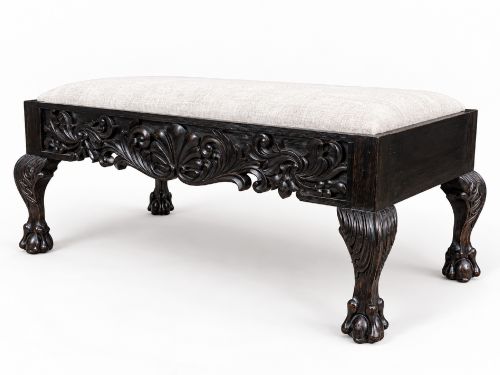
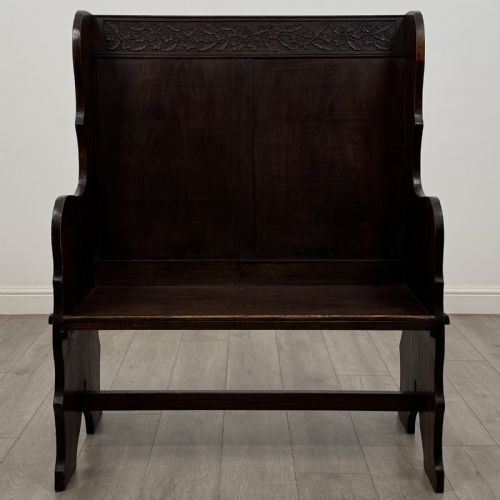
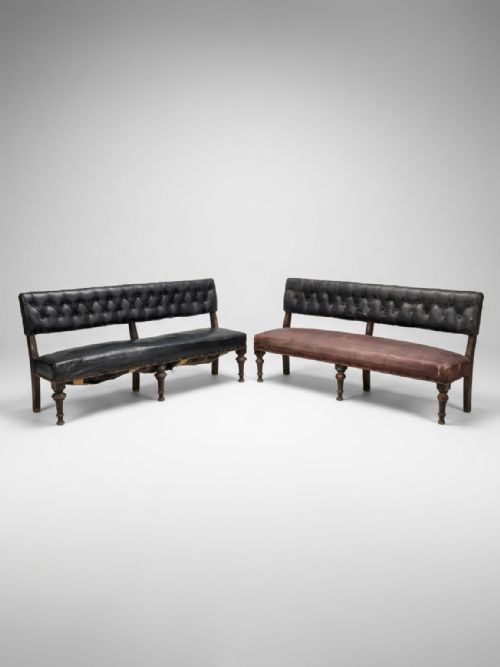
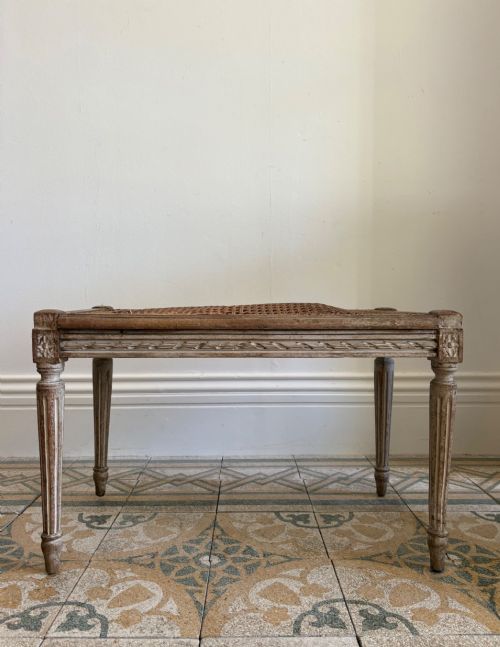
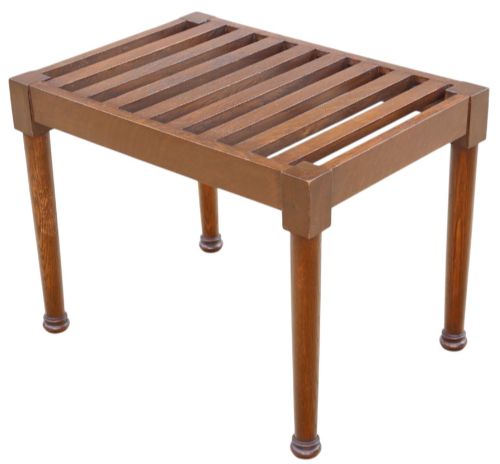
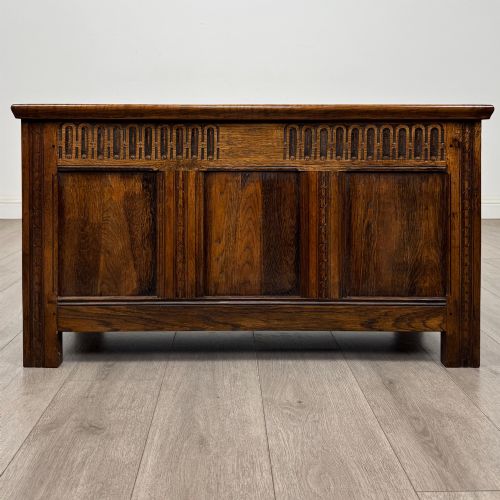
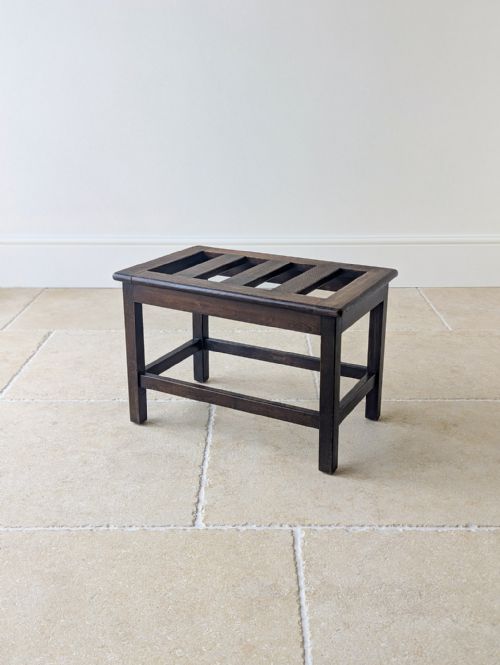
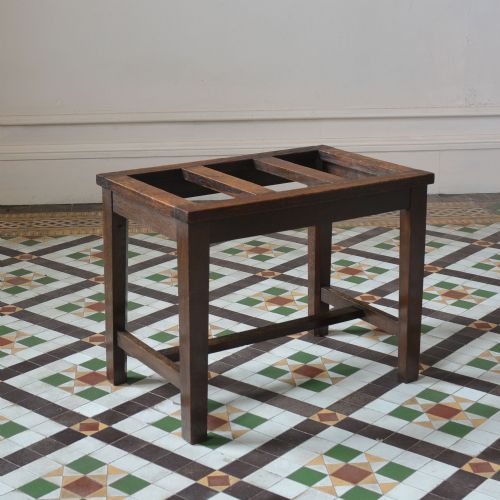
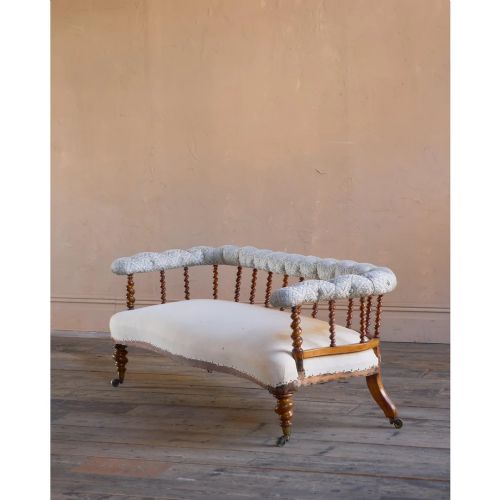
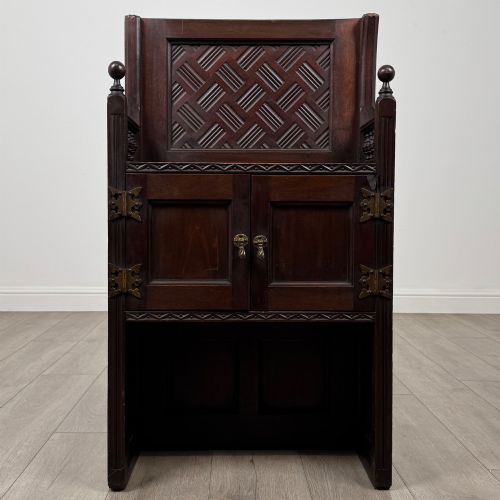
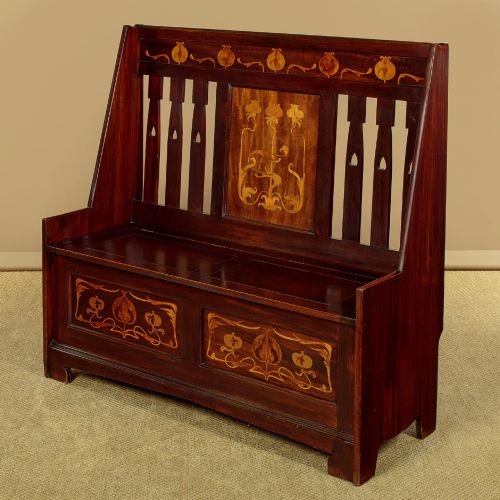
When searching for an edwardian wood bench, buyers encounter a variety of forms ranging from hall seats and luggage stands to small settles and piano stools. The pieces appearing here span the Edwardian era alongside adjacent Victorian and early twentieth-century periods, reflecting domestic seating of the time.
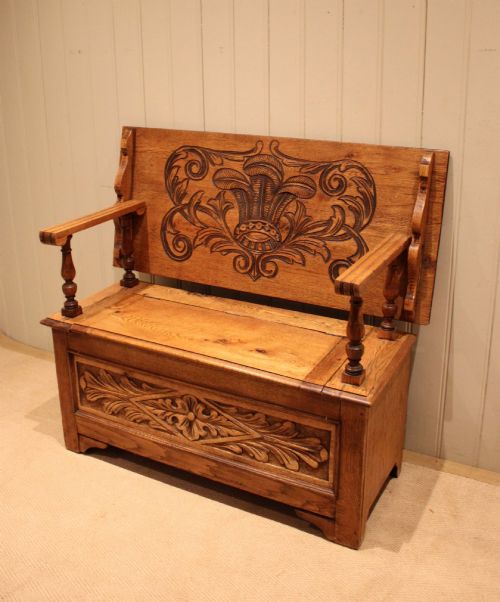
Mahogany and oak dominate the material palette, often complemented by satinwood inlay, brass fittings, and fabric or leather upholstery. Workshops of the period produced both simple utilitarian luggage racks and finely carved settles designed for prominent placement in a home.
Styles range from straightforward functional designs to revivals incorporating Jacobean, Queen Anne, or Arts and Crafts influences. This selection covers compact domestic furniture built to serve specific household tasks rather than grand ceremonial seating.
How these pieces were constructed
Cabinet makers utilised solid woods like mahogany, oak, beech, and walnut, often applying satinwood stringing or bone inlay to enhance plain timber surfaces. Pegged construction and turned legs provided structural stability for pieces subjected to daily household use.
Carving was executed by hand on oak panels and settles, while brass hardware secured folding luggage stands and supported hinged lids on blanket boxes. Upholstered elements relied on traditional textile trimming and stuffing methods appropriate to the period.
Listings feature woods such as mahogany, oak, walnut, and satinwood alongside brass and leather details.
What separates the finest examples
The degree of hand-finishing and timber selection dictates the distinction between standard utilitarian furniture and superior examples. Finely figured mahogany grain, intricate floral carving, and intact inlay work elevate certain pieces above mass-produced alternatives.
Structural integrity depends on original joinery remaining firm, particularly in folding luggage stands and heavy oak settles. The retention of period upholstery materials or complementary secondary timbers further distinguishes better preserved specimens.
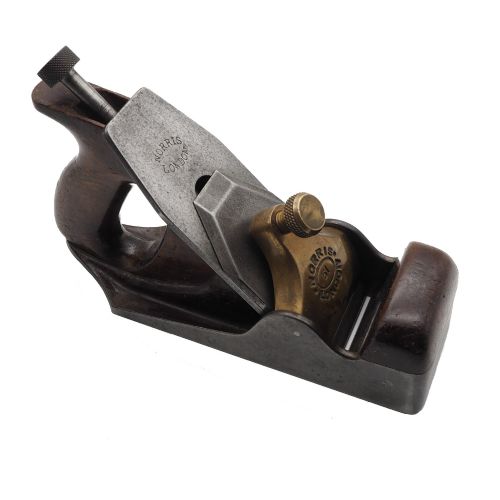
Norris London·C. Hindley & Sons·James Shoolbred & Co.·Thonet
The Edwardian Wood Bench Glossary
- Settle
- A wooden bench with a high back, solid arms, and frequently a box seat beneath the cushion. This form provided shelter from draughts in entrance halls.
- Luggage stand
- A low folding or rigid rack fitted with fabric straps, designed to hold travel bags at a convenient height in bedrooms. These items utilise sturdy timbers like oak or mahogany.
- Inlay
- A decorative technique where contrasting materials such as satinwood or bone are inserted into recessed cavities within the primary wood surface. This ornamentation appears frequently on Edwardian cabinet work.
- Bentwood
- Wood softened by steam and bent into curved structural forms, utilised in chairs and settees produced by makers like Thonet. The technique creates lightweight yet resilient frames.
- Luggage rack
- An alternative designation for a low stand used for supporting suitcases, typically constructed from ash, mahogany, or oak with slatted tops.
Edwardian Wood Bench: Frequently Asked Questions
How do I identify an edwardian wood bench?
Look for characteristic Edwardian design markers such as satinwood inlay, light mahogany frames, and restrained classical or Arts and Crafts influences. Construction methods and timber choices consistent with the early twentieth century help confirm the period.
Examine the secondary woods and joinery for signs of period manufacturing techniques rather than modern machine production.
Where were these benches used originally?
Luggage stands and racks stood in guest bedrooms for holding travel bags, while hall benches and settles furnished entranceways for removing outdoor wear. Piano stools and small seats served music rooms and parlours.
Each form was tailored to a specific domestic task within the Edwardian home.
How should I care for wooden period seating?
Keep wooden surfaces away from direct heat sources and dramatic humidity fluctuations to prevent timber splitting or veneer lifting. Regular dusting with a dry cloth maintains the finish without chemical buildup.
Inspect joints and upholstered elements periodically to address minor wear before it affects stability.