

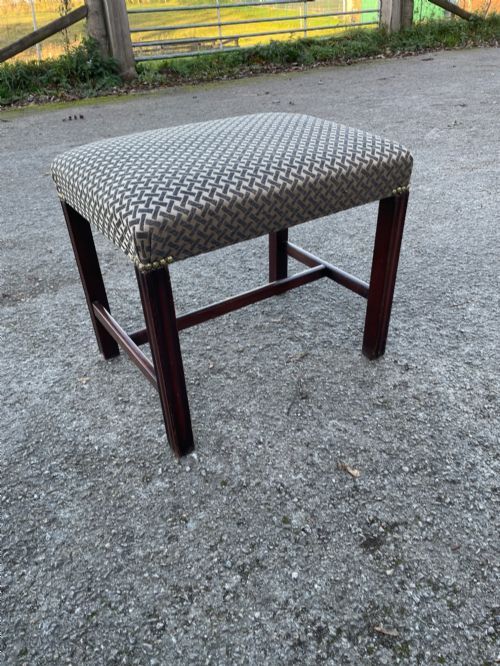
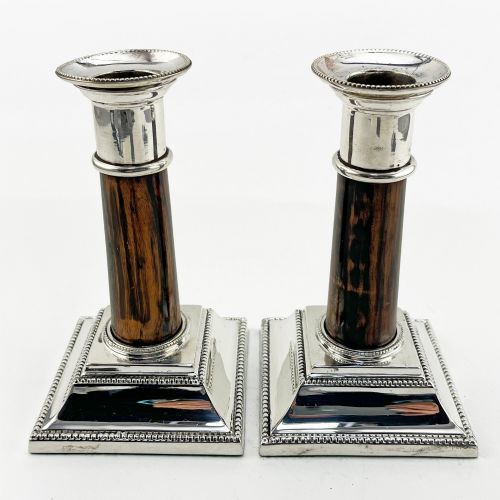
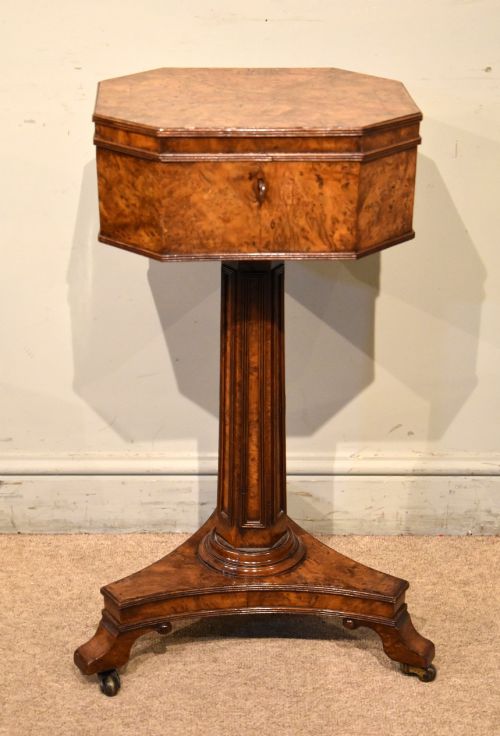
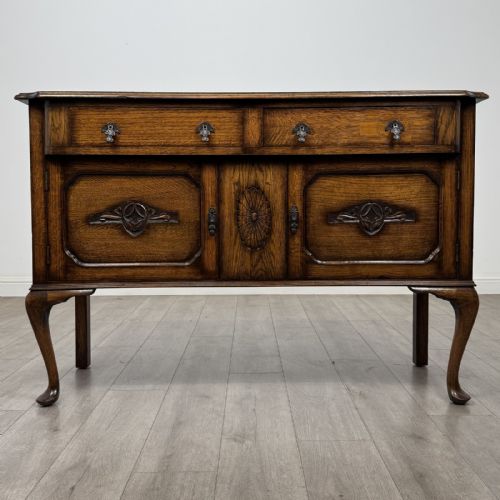

Edwardian Wood Base
These edwardian wood base pieces are solid foundations for display domes, tables, and seating, offering period character for domestic interiors.
Edwardian Wood Base
When buyers search for an edwardian wood base, they encounter structural supports, platform foundations, and lower frameworks integrated into furniture and display items. The listings demonstrate that these elements support display domes, sideboards, bookcases, and tables originating predominantly from the Edwardian era alongside Victorian and early twentieth-century periods.
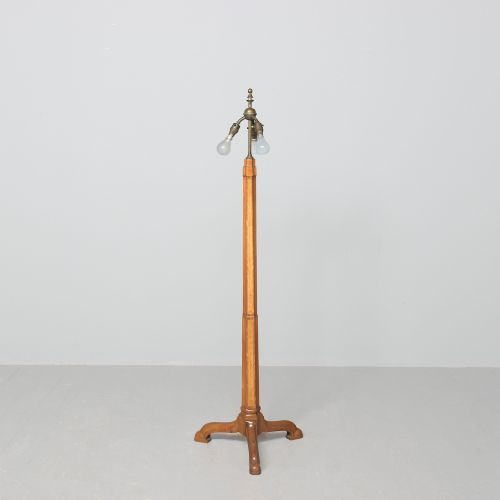
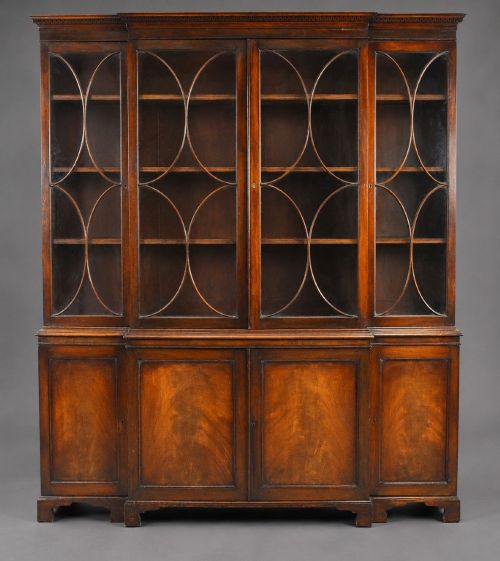
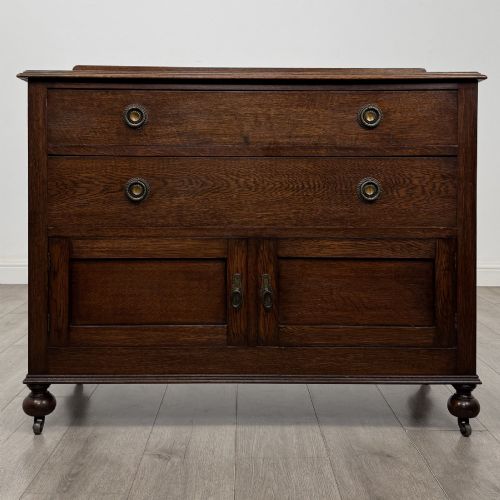
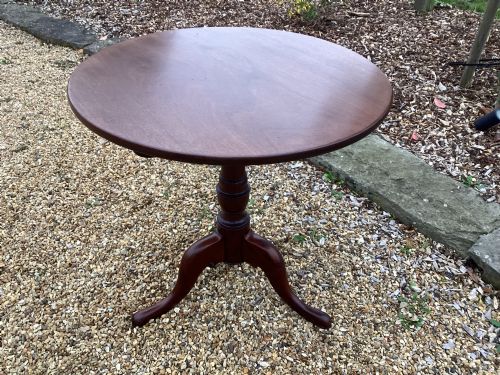
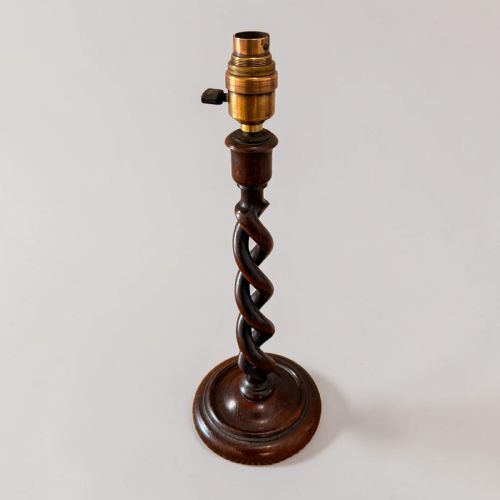
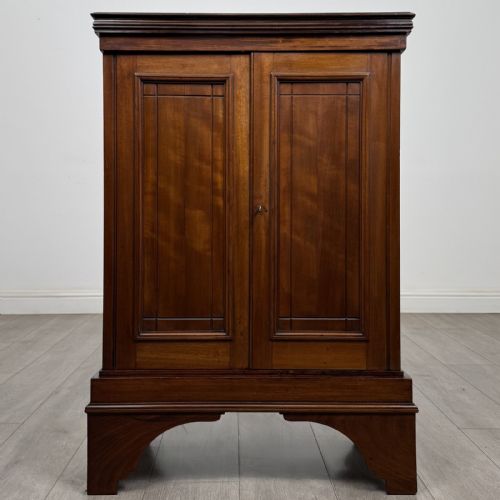
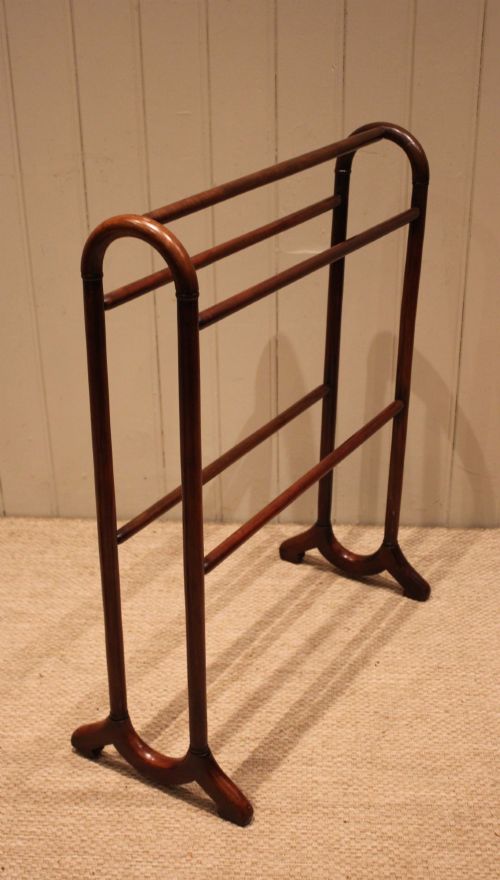
The most frequent examples on this page comprise wooden plinths and lower framing sections fashioned from mahogany or oak. These range from cabinet and bookcase plinth bases to tripod supports and swivel mechanisms on seating.
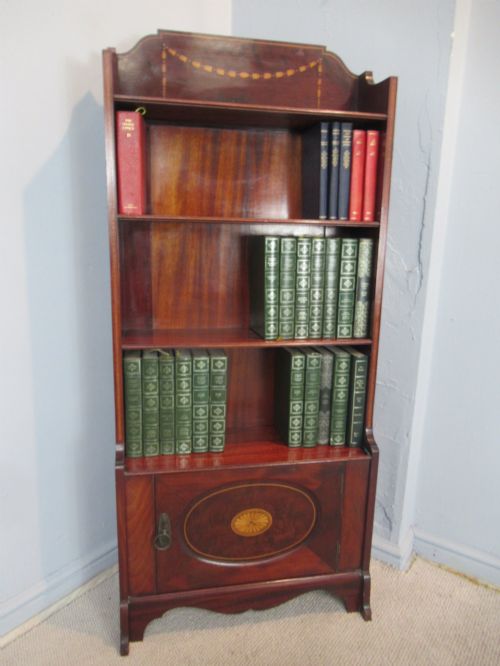
Makers and craftsmen applied these wooden bases to elevate functional furniture, such as sideboards, card tables with bookshelf bases, and shaving mirrors. The forms reflect traditional British cabinet-making traditions adapted for domestic display and utility.
Judging quality
The standard of a wooden base rests on the selection of timber and the precision of its joinery. Superior pieces display well-figured mahogany or quarter-sawn oak with crisp carving and stable construction that bears weight evenly.
Lesser examples show simpler subsidiary timbers, less refined turning, or repairs to the lower structural members. Quality is determined by how well the base integrates visually and structurally with the upper object it supports.
Edwardian Wood Base Retail Price Guide 2026
Typical asking prices for edwardian wood base among the pieces listed under this phrase on Sellingantiques today, from the lower quarter to the upper quarter. They describe what is for sale here now, not the wider market.
Some sewing machine bases from this era survived by quietly transforming into hallway decorative statements.
The Edwardian Wood Base Glossary
- Plinth base
- A solid flat block or low platform supporting a heavy piece of furniture or display dome. It provides stability and visual weight at floor level.
- Tripod base
- A three-legged support structure commonly found on small tables, standard lamps, and shaving mirrors. This design ensures the piece remains steady on uneven floor surfaces.
- Swivel base
- A pivoting mechanism allowing a seat or mirror to rotate freely on its lower support. It is frequently seen on piano stools and dressing table mirrors.
- Split base
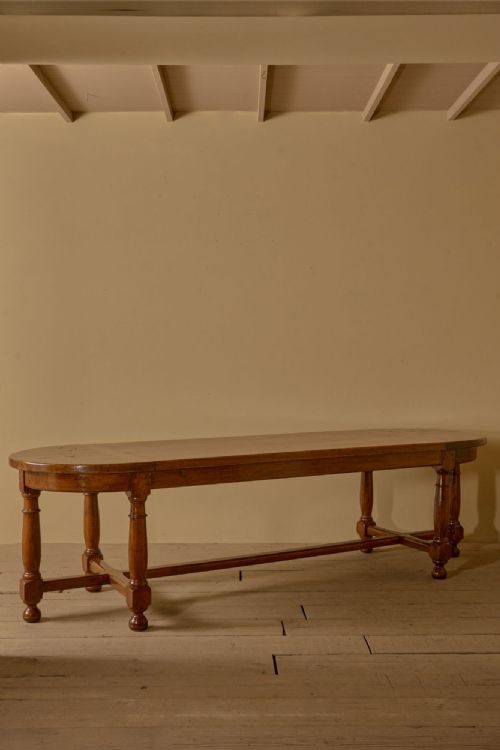
- A dividing lower framework that separates to accommodate extensions in large dining tables. It maintains structural integrity when the table is lengthened.
- Cupboard base
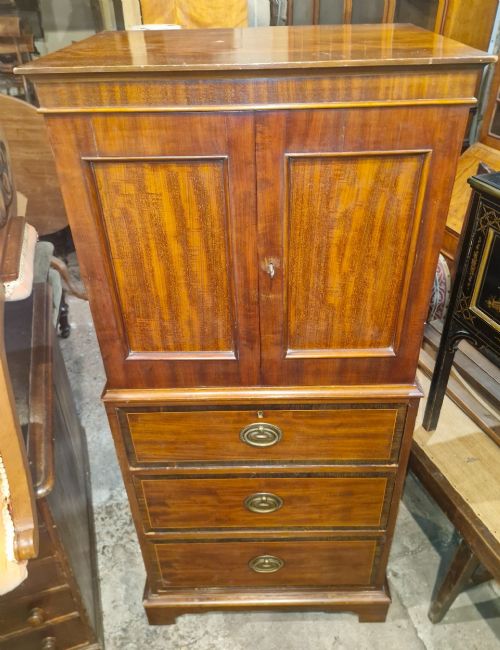
- A storage enclosure positioned beneath a main display surface or bookcase. This lower section adds functional capacity while anchoring the piece.
Edwardian Wood Base: Frequently Asked Questions
What items use an edwardian wood base?
These wooden supports are found beneath display domes, bookcases, sideboards, and occasional tables. They anchor the upper sections while adding period detail to the room.
The listings show robust plinths and carved legs that carry heavy glass, books, or timber tabletops securely.
How do I care for antique wood bases?
Dust the timber regularly with a dry cloth and apply a quality beeswax periodically to nourish the polished surface. Avoid placing wooden items in direct sunlight or near heat sources.
Maintaining stable room humidity prevents the timber from splitting or warping over time.
Are these bases solid wood?
The pieces recorded utilise solid hardwoods such as mahogany, oak, and walnut for their structural frameworks and visible lower sections. Cabinet makers selected these dense timbers for strength and durability.
Secondary woods may be used in concealed areas, but the primary foundations are substantial natural timber.
How do I identify an Edwardian period base?
Edwardian items typically display lighter timbers, cleaner lines, and subtle decorative elements compared to heavier Victorian predecessors. Look for restrained carving, boxwood inlay, and Edwardian aesthetic traits.
Construction methods and timber selection help differentiate these pieces from later reproductions.