

Edwardian Wood Armchair
An edwardian wood armchair brings domestic comfort and fine craft together, spanning mahogany frames, cane seats and upholstered library chairs.
Edwardian Wood Armchair
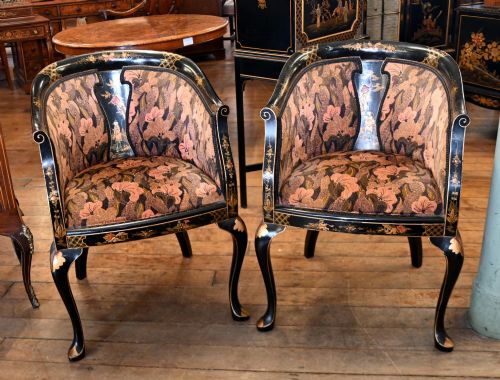
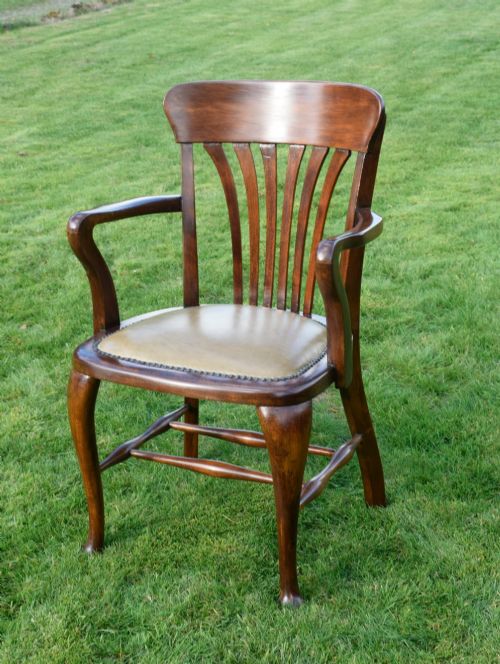
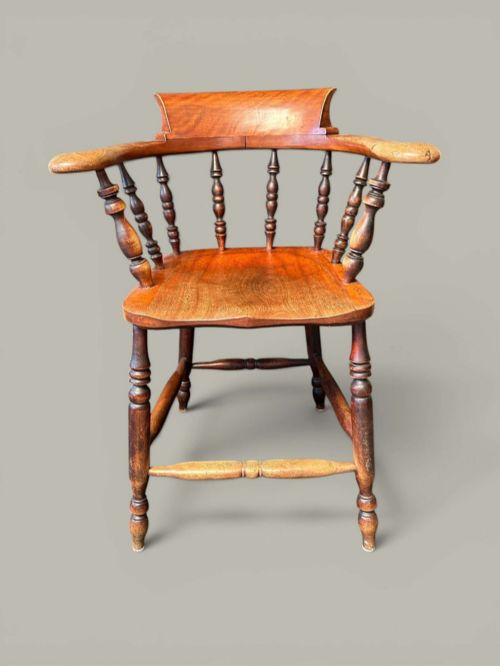
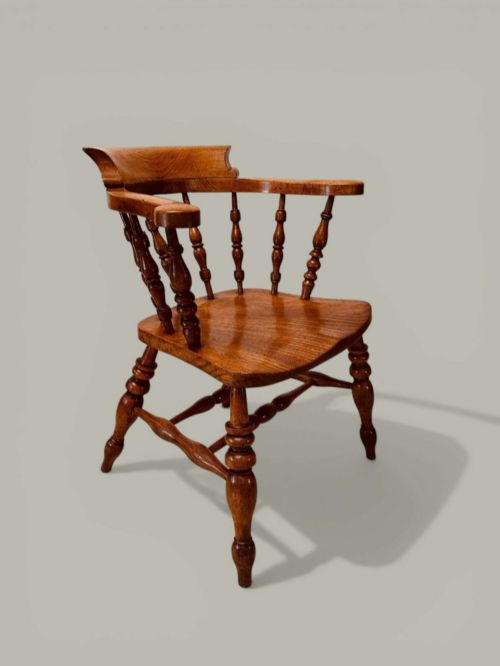
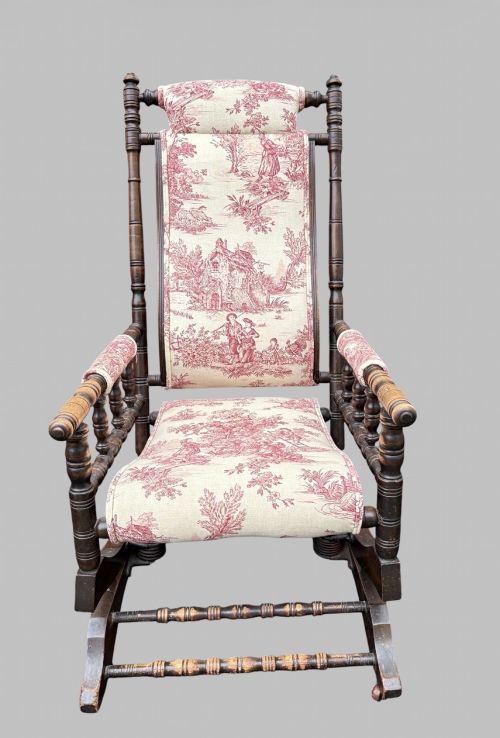
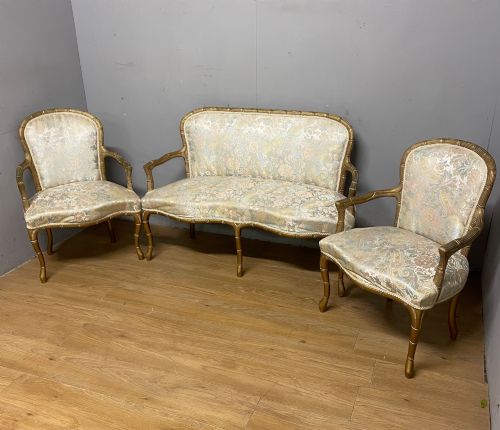
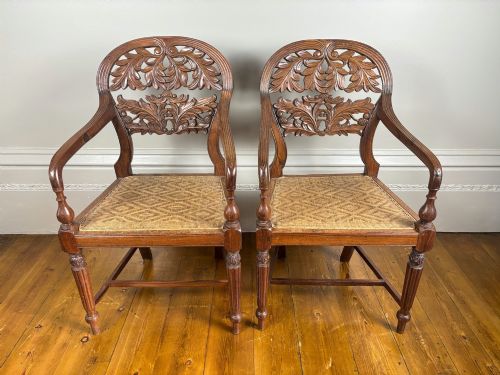
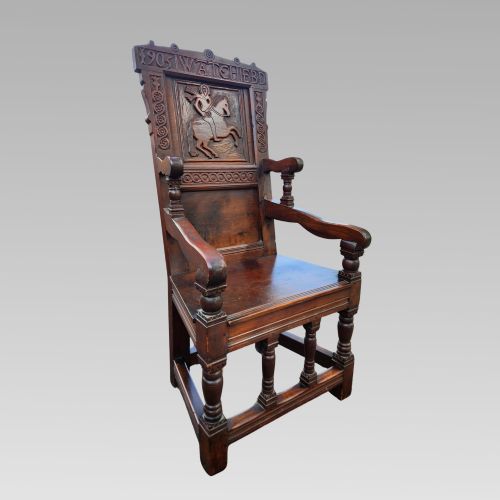
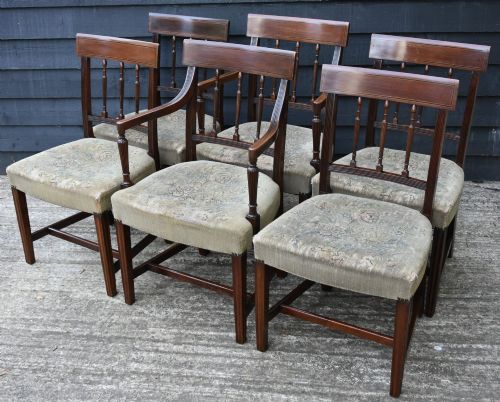
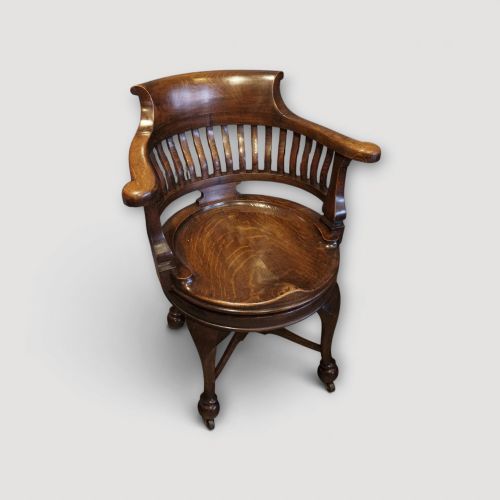
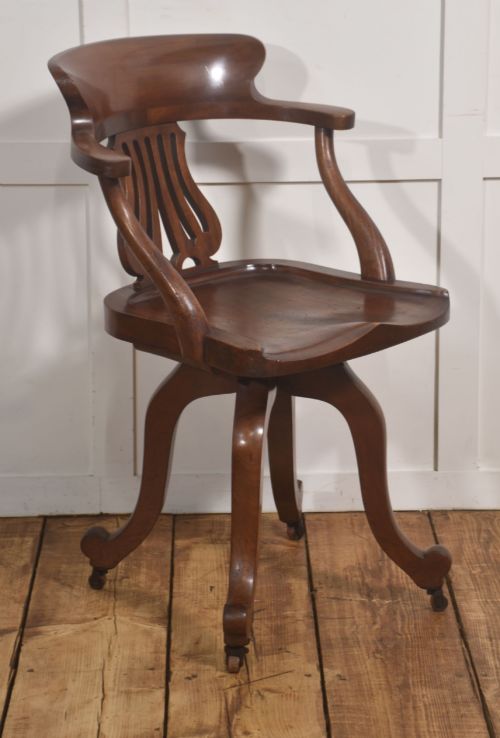
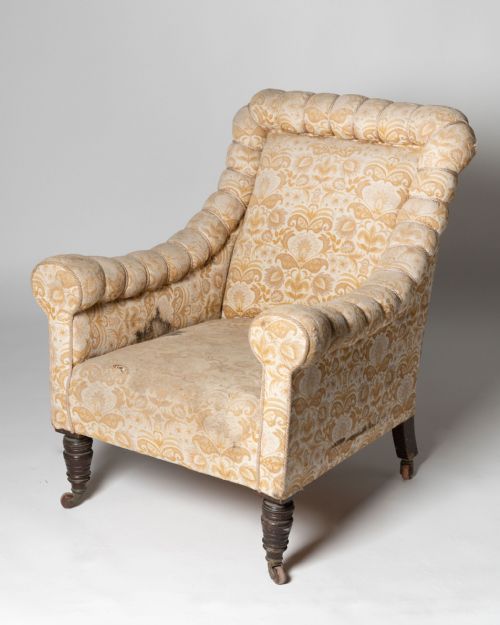
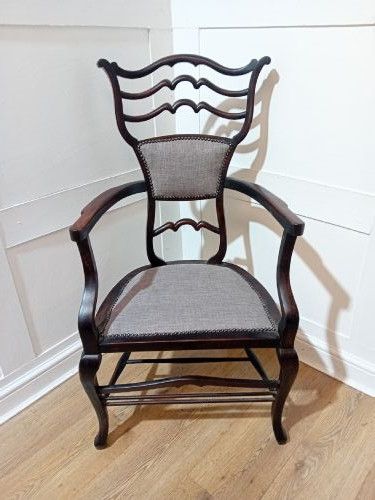
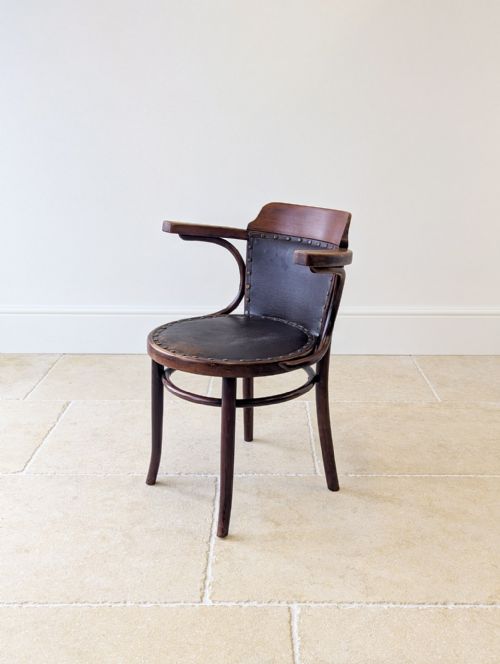
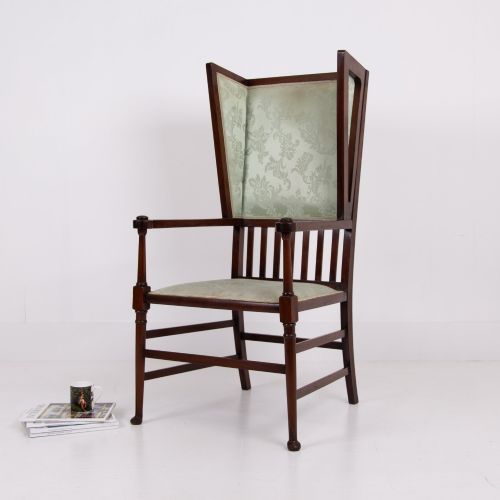
An edwardian wood armchair encompasses a wide variety of seating forms designed for parlours, libraries and dining rooms. The pieces appearing here range from revolving desk chairs and tub chairs to elbow chairs and wingbacks.
Mahogany and oak form the backbone of the selection, frequently augmented by cane, leather, fabric and velvet. Many examples reflect revivalist tendencies, notably Chippendale, Sheraton, Jacobean and Art Nouveau design influences.
Buyers will most frequently encounter mahogany and oak frameworks dating from the early twentieth century alongside nineteenth-century antecedents. These items served functional roles in domestic interiors, ranging from singular reading chairs to matched dining sets.
How they were made
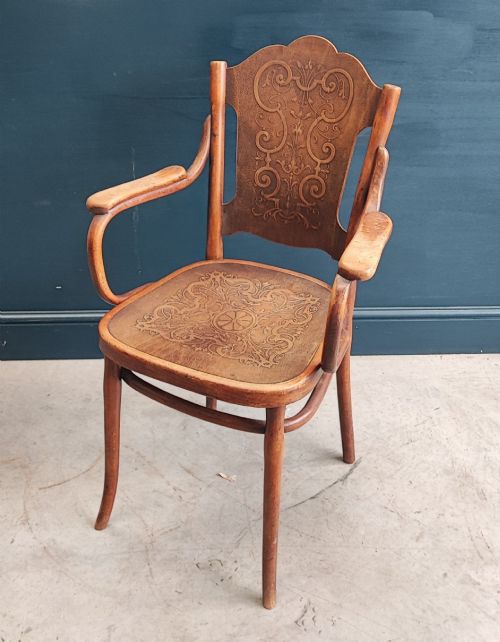
Makers utilised solid timbers like mahogany, oak, beech, satinwood and elm, shaping frames through traditional joinery and steam-bending techniques as seen in bentwood designs. Carving, ebonising and painting provided surface decoration on structural woodwork.
Upholstery methods involved webbing, springs and stuffing secured beneath leather, fabric, tapestry or velvet, while panels of woven cane formed light, flexible seats and backs.
Edwardian Wood Armchair Retail Price Guide 2026
Typical asking prices for edwardian wood armchair among the pieces listed under this phrase on Sellingantiques today, from the lower quarter to the upper quarter. They describe what is for sale here now, not the wider market.
Design influences span Edwardian, Victorian, Chippendale Revival, Art Nouveau, Jacobean Revival and Arts and Crafts styles.
What varies in quality
The refinement of timber selection and the crispness of carved detail dictate the distinction between standard production items and finer workshops. Inlaid motifs, painted satinwood surfaces and well-executed revival styles indicate a higher level of craftsmanship.
Structural integrity relies upon tight joinery, intact cane work and original upholstery support systems. Chairs retaining their untouched timber patination and maker stamps hold greater interest for collectors.
Alfred Allen of Birmingham·Gillows·James Shoolbred·Robert Strahan Dublin·Thonet
The Edwardian Wood Armchair Glossary
- Bergere
- An enclosed upholstered armchair with wooden framing and cane panels on the back and sides. This French-inspired form provides a light yet supportive seat.
- Cane
- Woven rattan material utilised for chair seats and back panels. It offers a resilient, flexible surface favoured in lighter seating designs.
- Tub chair
- An armchair featuring a continuous curved back and arms forming a circular enclosure. The design provides deep, enclosed seating comfort.
- Bentwood
- Wood softened through steam and bent into curved structural forms. This technique created light, strong chairs with fluid silhouettes.
- Elbow chair
- An armchair with short arms designed to support the user's elbows rather than full-length rests. These pieces typically served as desk or dining carvers.
Edwardian Wood Armchair: Frequently Asked Questions
How do I identify an edwardian wood armchair?
Look for lighter timbers like mahogany and satinwood, often featuring delicate inlay or painted decorations. The proportions tend to be more slender than heavier Victorian equivalents.
Revival styles such as Sheraton or Chippendale frequently influence the design, alongside distinctive Art Nouveau motifs and cane panels.
Were these chairs used at desks?
Many examples were specifically designed for writing, including revolving desk chairs and swivel models fitted with cane or leather seats. These combined mobility with supportive wooden backrests.
Other variants served as library armchairs or parlour seating, intended for reading and social conversation rather than formal dining.
How should I care for cane seats?
Cane requires moderate humidity to prevent the natural fibres from becoming brittle and snapping under pressure. Avoid placing these chairs near direct heat sources or radiators.
Occasional light dusting and gentle wiping with a damp cloth will keep the woven rattan flexible and clean over time.
Can I mix these chairs with modern furniture?
The warm tones of mahogany, oak and elm timber integrate naturally into contemporary interior schemes. Their varied silhouettes add texture and historical character to minimalist spaces.
An individual accent piece works well as a reading chair in a living room or as a distinctive seat at a modern desk.