





Edwardian Wine Glass
An edwardian wine glass brings the crisp sparkle of early twentieth-century dining to the table.
Edwardian Wine Glass
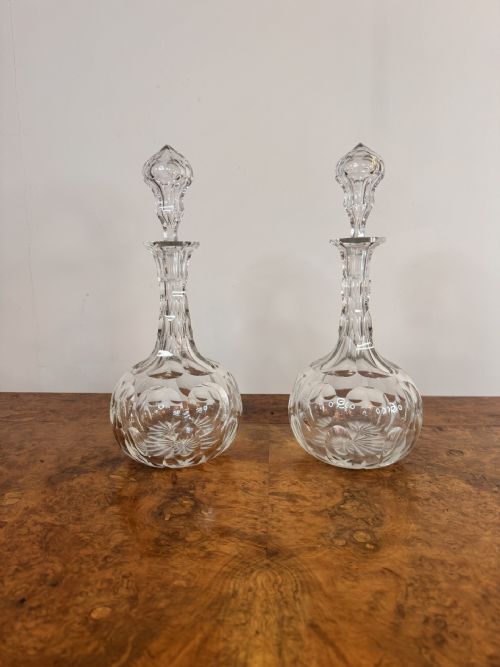
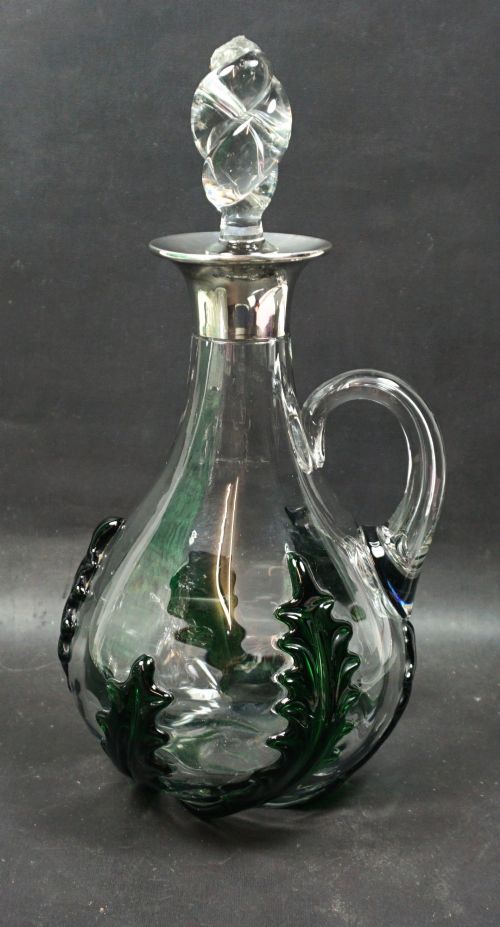
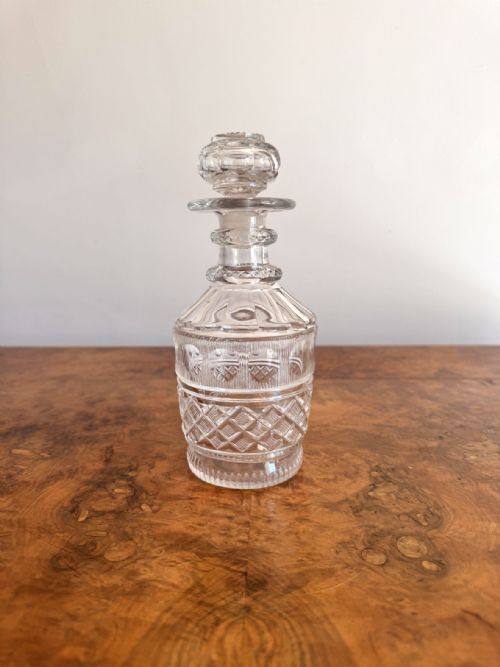
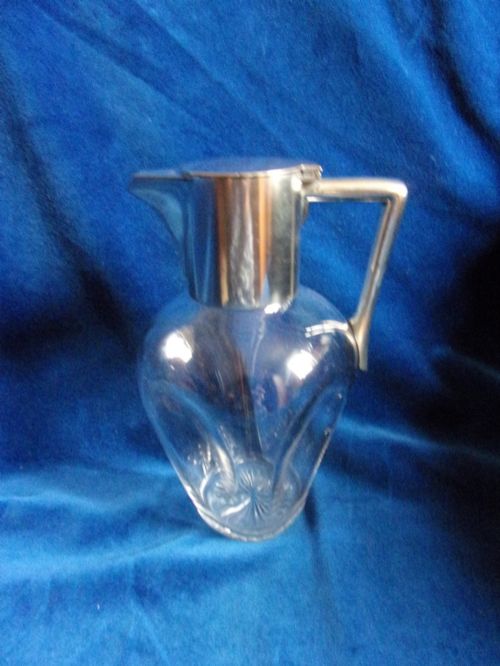
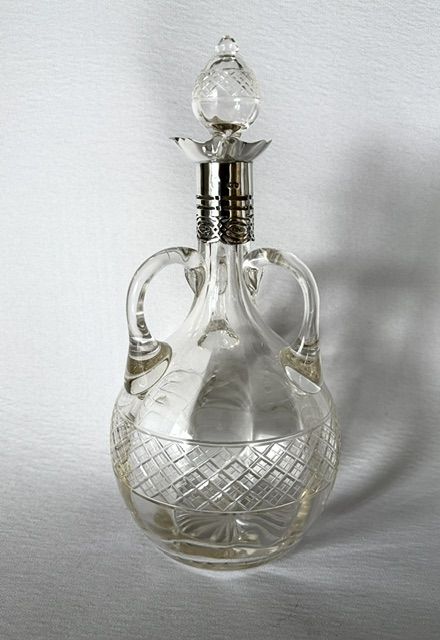
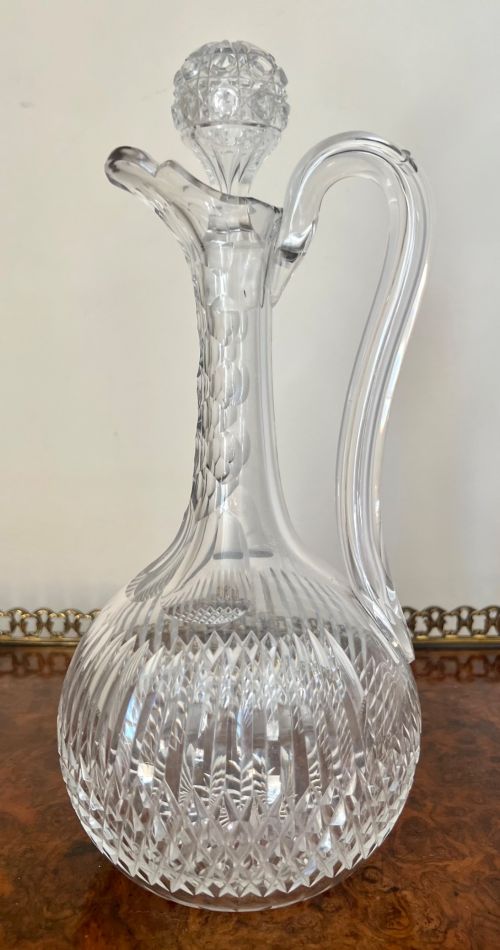
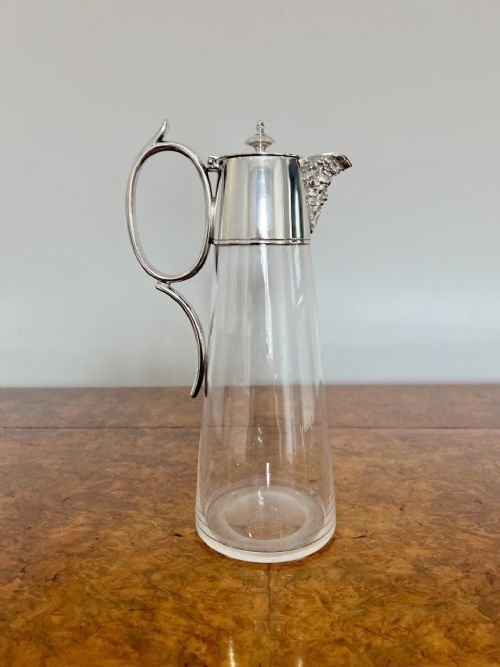
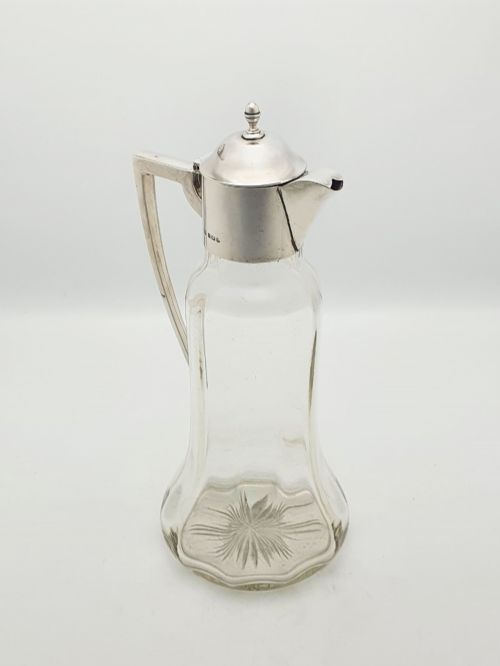
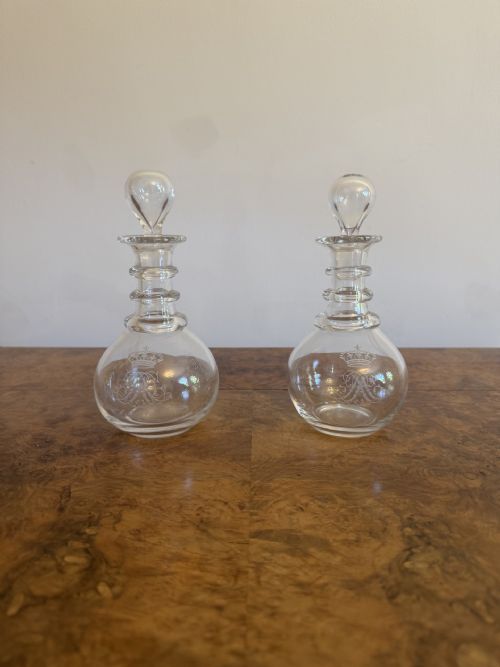
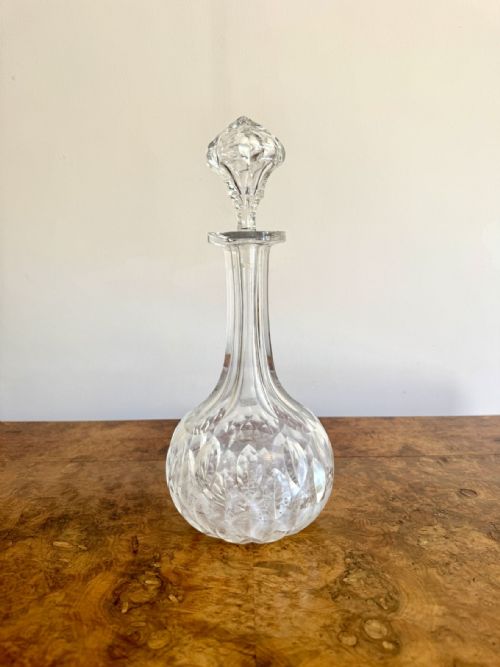
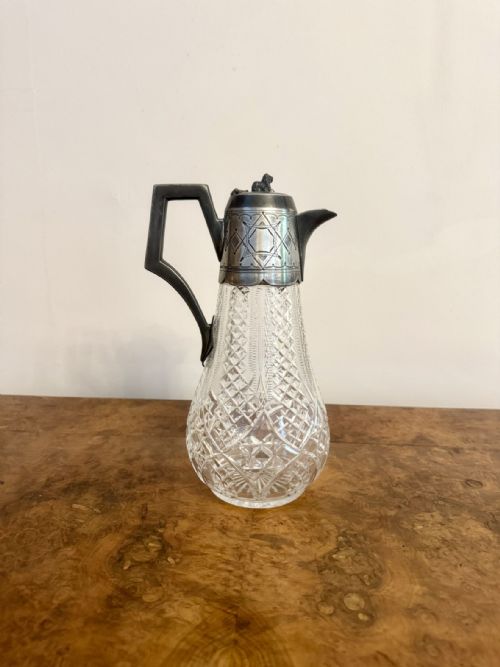
When you search for an edwardian wine glass, you encounter drinking vessels and tableware spanning the period around the turn of the twentieth century, alongside related forms like claret jugs and decanters. The pieces on this page originate predominantly from the Edwardian era, accompanied by Victorian, Art Nouveau, and Arts and Crafts examples.
You are most likely to meet clear glass, cut crystal, and silver-mounted items, frequently shaped as bell-shaped decanters, hock glasses, and tall goblets. Makers such as Baccarat, Theresienthal, and Webb Corbett appear alongside unmarked specimens spanning the years from eighteen eighty to nineteen twenty.
How they were made
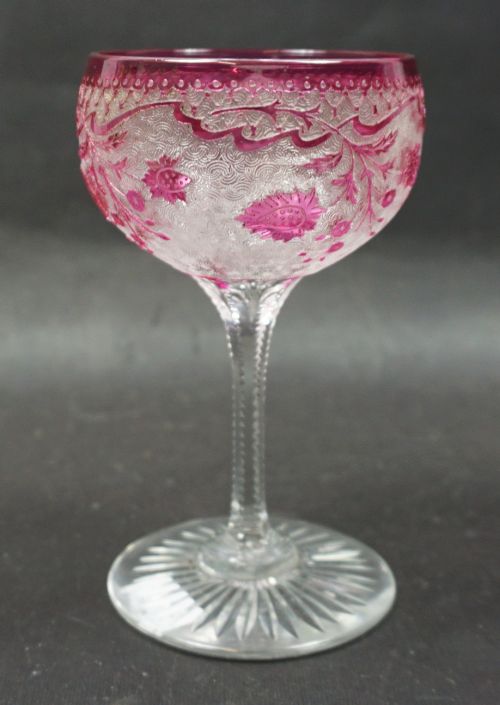
Makers utilised clear glass, lead crystal, and coloured glass such as cranberry and amber, shaping them through blowing and moulding techniques. Artisans then applied deep cut glass patterns, intaglio engraving, and enamel decoration directly onto the surface.
Mounts, handles, and tops were fashioned from sterling silver or silver plate, often bearing the marks of silversmiths like William Comyns. Pewter and wrought iron also supported glass bodies, particularly within Arts and Crafts and Art Nouveau designs.
Edwardian Wine Glass Retail Price Guide 2026
Typical asking prices for edwardian wine glass among the pieces listed under this phrase on Sellingantiques today, from the lower quarter to the upper quarter. They describe what is for sale here now, not the wider market.
Listings feature items spanning multiple periods, including Victorian, Edwardian, and the eighteenth century, alongside Arts and Crafts and Art Nouveau styles.
What varies in quality
The distinction between standard items and finer pieces rests upon the crispness of the cutting and the weight of the crystal. Sharp, deep facets catch the light cleanly, whereas softer mouldings lack definition.
The integration of metal mounts also dictates standard, with heavy sterling silver collars and secure hinges marking out superior manufacture over lighter silver-plated alternatives.
William Comyns·Baccarat·Theresienthal·Webb Corbett·Archibald Knox
The Edwardian Wine Glass Glossary
- Cut crystal
- Glass containing lead oxide that is hand-cut with wheel-ground facets to enhance brilliance and light refraction.
- Claret jug
- A pouring vessel designed specifically for red wine, frequently fitted with a silver-plated or sterling silver mount and hinged lid.
- Intaglio
- A design carved into the glass surface so that the pattern sits below the outer plane.
- Hock glass
- A tall-stemmed wine glass traditionally used for white wine, often featuring coloured bowls and enamel decoration.
- Jugendstil
- The continental European manifestation of the Art Nouveau movement, influencing glass and metalwork designs of the period.
Edwardian Wine Glass: Frequently Asked Questions
Can I use these wine glasses daily?
These glasses can be used for special occasions or regular dining, provided they are handled with care and washed by hand. Sturdy lead crystal withstands careful use.
Keep delicate enamel decoration and thin stems away from crowded tables or heavy handling to prevent chips.
How do I identify an Edwardian piece?
Look for stylistic cues such as Art Nouveau curves, Arts and Crafts simplicity, or heavy cut glass patterns typical of the nineteen hundreds. Hallmarks on silver mounts provide exact dates.
Compare the weight and ringing tone of the crystal, as Edwardian lead glass feels substantial in the hand.
What is the difference between crystal and glass?
Crystal contains lead oxide, which adds weight, increases brilliance, and allows for deeper, sharper cutting. Standard glass lacks this lead content and feels lighter.
When gently tapped, quality lead crystal produces a clear, resonant ring rather than a dull thud.